

When tackling heavy-duty construction projects or home renovations, the right hardware is non-negotiable. Modern power tools generate immense rotational force, and using the wrong accessories can lead to stripped screws and broken equipment. Finding the best phillips screwdriver bits for impact driver use is essential for contractors and DIY enthusiasts who demand efficiency, precision, and long-lasting durability on the job site.
Why Standard Bits Fail
Many users make the mistake of using standard bits meant for manual drivers. According to occupational safety guidelines, choosing the correct tool for the specific power level of the application is a primary factor in preventing workplace injuries and mechanical failure. Standard bits are often brittle; when subjected to the high-torque, percussive action of an impact driver, they tend to snap or shatter.
What Defines Quality Performance
Investing in professional-grade gear—such as those found in a high-quality screwdriver set—ensures that the bit can withstand extreme stress. The best phillips screwdriver bits for impact driver applications typically feature:
- Torsion Zones: Engineered to absorb peak torque to prevent tip breakage.
- Precision Geometry: Designed to minimize cam-out, which is the tendency of the bit to slip out of the screw head under pressure.
- Impact-Rated Alloys: Advanced metallurgy that balances hardness with flexibility.
Research into material science and fatigue life highlights that the structural integrity of alloy steels is critical when subjected to the repetitive impact cycles inherent in modern fastening. For those looking to upgrade their toolkit, identifying the right specifications—such as heat-treated steel and CNC-machined tips—will drastically improve productivity and reduce the frustration of constant tool replacement.
Key Takeaways
Selecting the best phillips screwdriver bits for impact driver hardware requires an understanding of metallurgy and mechanical engineering. Because impact drivers generate intense, repetitive rotational force, standard bits often fail quickly under the pressure. Proper equipment selection ensures both project success and tool longevity.
Here are the essential points to consider when upgrading your kit:
- Impact-Rated Material: Always prioritize bits forged from modified alloy steel. This provides the necessary flexibility to absorb the high-torque “shocks” inherent in impact driving, a concept supported by metallurgical studies on tool durability.
- The Torsion Zone Advantage: The best phillips screwdriver bits for impact driver sets feature a visible “torsion zone.” This specific design acts as a shock absorber, preventing the tip from snapping under sudden torque spikes.
- Precision Geometry: Look for CNC-machined tips. A precise fit minimizes “cam-out”—the tendency of a bit to slip out of the screw head—which saves your fasteners from stripping.
- Strategic Upgrades: If you are looking to replace worn-out components, exploring a high-quality screwdriver set can often provide a more reliable, long-term solution than purchasing individual bits.
- Magnetic Utility: Integrated neodymium magnets significantly improve workflow efficiency by keeping fasteners secure, which is a key recommendation found in various OSHA tool safety guidelines.
Summary Checklist for Buyers:
- Check for “Impact Rated” labels: Do not settle for standard chrome-vanadium bits.
- Verify fit: Ensure the PH2 tip matches your specific screw gauge to prevent slippage.
- Inspect coating: Black oxide coatings offer superior rust resistance compared to zinc-plated alternatives.
- Know when to discard: Once the tip edges become rounded or deformed, replace them immediately to avoid damaging your hardware.
Understanding Impact Grade Material
When selecting the best phillips screwdriver bits for impact driver use, understanding material composition is paramount. Standard bits are designed for the steady torque of a drill-driver; however, an impact driver delivers rapid, high-intensity hammer blows that quickly shatter inferior metal. To withstand these forces, manufacturers utilize advanced metallurgical processes to create impact-rated accessories that prioritize structural integrity and long-term resilience.
The Importance of Alloy Steel
The foundation of any high-performance bit lies in the chemistry of the metal. Industry leaders rely on specialized S2 modified steel or high-grade chrome-vanadium alloys to achieve the perfect balance between hardness and flexibility.
- S2 Tool Steel: Renowned for its exceptional toughness and resistance to chipping under high-impact loads.
- Hardness Ratings: Professionals typically look for bits with a Rockwell hardness rating that allows the tip to grip without becoming too brittle.
- Structural Integrity: Unlike cheap carbon steel that deforms instantly, these alloys maintain their shape under the extreme vibration cycles of modern power tools.
For those looking for high-quality alternatives, comparing durable screwdriver bit sets is a practical step to ensure gear longevity. Scientific research into materials science highlights how alloy composition directly impacts the fatigue life of steel components in heavy-duty applications.
Heat Treatment for Torsion Zones
The most advanced best phillips screwdriver bits for impact driver designs feature a distinct “torsion zone.” This is not merely a stylistic choice; it is a critical engineering feature created through precise heat treatment.
- The Torsion Zone Concept: A thinner, flexible section of the shank acts as a “spring,” absorbing the peak torque spikes that would otherwise snap a rigid bit tip.
- Selective Tempering: Manufacturers use localized heat treatment to ensure the tip remains hard and wear-resistant while the middle of the bit stays ductile and shock-absorbent.
- Stress Distribution: By allowing the bit to twist slightly during the hammer-action engagement, the stress on the fastener head—and the bit itself—is significantly reduced.
According to guidelines from the American National Standards Institute, proper testing of fastener-driving tools ensures that these bits can handle the torque-to-failure standards required for industrial and residential construction projects across the United States.

Evaluating Bit Geometry and Precision
When selecting the best phillips screwdriver bits for impact driver performance, geometry is just as critical as the metallurgical composition. Because impact drivers generate immense rotational force and high-frequency hammering, a bit that lacks precise geometry will quickly fail, damaging both the fastener and the bit itself. Achieving a perfect interface between the tool and the screw head is the foundational requirement for professional-grade power driving.
Why Fit Matters for Phillips Heads
A common misconception among DIYers is that a Phillips bit is universal. In reality, a poor fit leads to “cam-out,” where the bit slips out of the screw head under load. This not only destroys the fastener but can also cause deep gouges in the material.
- Tolerance Levels: High-quality bits adhere to strict ANSI/ASME standards for drive dimensions. According to industrial fastener guidelines, precise dimensional accuracy is essential to prevent stripping.
- Energy Transfer: A bit that fits snugly transfers the maximum amount of torque from the impact driver directly into the screw.
- The “Wobble” Factor: Loose-fitting bits create an elliptical motion, causing excessive vibration that prematurely fatigues the tool’s chuck.
CNC Precision Machined Tips
The manufacturing process determines the lifespan of the tool. Many of the best phillips screwdriver bits for impact driver applications are crafted using computer numerical control (CNC) machining. Unlike cheaper, stamped alternatives, CNC-machined bits offer consistent geometry across every single unit in a pack.
Key advantages of CNC precision include:
- Sharp-Edged Flutes: These edges bite firmly into the screw recess, ensuring a locked-in feel that resists slipping even at high RPMs.
- Uniformity: Every bit in the set will perform identically, preventing the frustration of inconsistent fitment.
- Stress Distribution: By ensuring the driving force is spread evenly across the wings of the Phillips head, CNC bits reduce the likelihood of the bit snapping under sudden torque spikes.
Research into mechanical engineering stress analysis demonstrates that non-uniform load distribution is the primary cause of fatigue failure in fasteners. Investing in precision-machined bits acts as an insurance policy for both your hardware and your projects, ensuring that even under the most demanding conditions, the bit remains seated and effective.
Anti-Cam-Out Technology Explained
When selecting the best phillips screwdriver bits for impact driver performance, understanding anti-cam-out technology is essential. Cam-out occurs when the bit slips out of the screw head under high torque, often damaging both the fastener and the bit itself. Advanced bits are engineered with geometry specifically designed to resist this rotational force, ensuring that the downward pressure remains focused on the fastener head rather than pushing the bit outward. This innovation is a hallmark of high-quality driver sets that prioritize mechanical efficiency.
Reducing Slippage during High Torque
High-torque environments demand superior grip. Anti-cam-out technology minimizes the risk of fastener stripping—a common issue where the metal of the screw head becomes deformed. By integrating precision-milled serrations or specialized ribbing on the bit tip, manufacturers increase the friction coefficient between the tool and the hardware.
- Increased Surface Contact: Modern bits utilize CNC-machined ribs that lock into the recesses of the screw, preventing the radial force from forcing the bit out of its seat.
- Controlled Energy Transfer: These designs ensure that the power generated by an impact driver is translated into rotation rather than vertical displacement.
- Stability Under Load: For professional contractors, choosing bits with this geometry is critical to maintaining a consistent workflow without interruption.
According to research on industrial fastening standards, consistent bit engagement is the primary factor in preventing structural degradation of hardware.
Enhancing Fastener Longevity
Investing in the best phillips screwdriver bits for impact driver applications is not just about the bit; it is about preserving the life of the fasteners being installed. When a bit cam-outs, it wears down the interior walls of the screw head, leading to potential rust, weak connections, or future removal difficulties.
- Preservation of Coating: By preventing slippage, anti-cam-out bits ensure that protective zinc or phosphate coatings on screws remain intact.
- Simplified Removal: Screws installed without head deformation are significantly easier to remove years later, as the drive recess remains sharp and deep.
- Efficiency Gains: Users spend less time dealing with “chewed-up” screw heads, which speeds up assembly processes significantly.
Proper tool selection is backed by safety guidelines regarding torque applications, emphasizing that using correctly matched, high-tolerance tooling minimizes the physical strain on the user and reduces the probability of tool failure.
Magnetic Retention Features
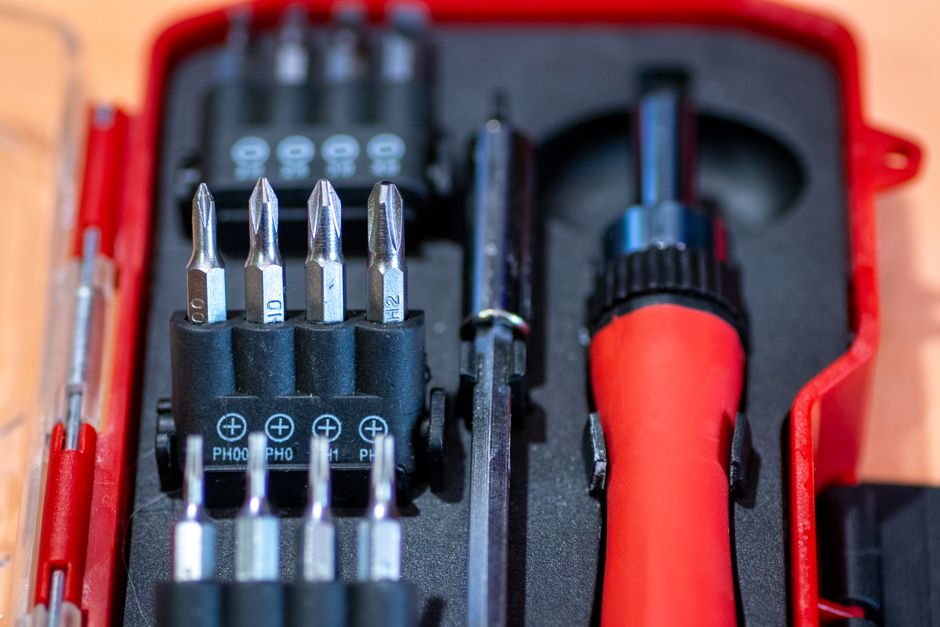
When tackling heavy-duty fastening tasks, efficiency is paramount. Utilizing the best phillips screwdriver bits for impact driver applications often comes down to how well the bit secures the fastener. Magnetic retention features are no longer just a luxury; they are a critical component for pros who need to work one-handed in tight spaces without the constant frustration of dropped screws. Understanding how these magnets function can significantly streamline your workflow.
Built-in Neodymium Magnets
Modern high-performance bits often feature embedded neodymium magnets, which provide a significantly stronger pull compared to standard ferrite magnets. These rare-earth magnets are essential for keeping fasteners securely seated on the bit tip, even under the intense vibration generated by an impact driver.
- Secure Seating: The magnetic field helps center the bit in the screw head, reducing the risk of slippage.
- One-Handed Operation: Allows users to set screws in overhead or hard-to-reach areas where a second hand is unavailable.
- Longevity: According to research on magnetic materials, high-grade neodymium retains its flux density under varying temperatures, ensuring the magnet doesn’t lose strength after repeated impact cycles.
Benefits of Magnetic Bit Holders
While some bits come with integrated magnets, using a dedicated magnetic bit holder offers additional advantages for those looking for the best phillips screwdriver bits for impact driver setups. A quality bit holder acts as an extension, providing extra clearance and enhanced reach.
- Versatility: Allows for the quick swapping of different bits while maintaining a strong magnetic connection.
- Increased Leverage: Many bit holders include a torsion zone that works in tandem with the bit to absorb stress.
- Fastener Alignment: Professionals often rely on magnetic bit holders to ensure that the fastener remains perpendicular to the surface, reducing the chance of stripping the screw head.
- Durability: These holders are typically constructed from hardened steel, which protects the internal magnet from shattering during high-torque applications.
For those interested in technical specifications regarding tool maintenance and safety standards, the Occupational Safety and Health Administration (OSHA) provides comprehensive guidelines on the proper use of powered hand tools to minimize operator fatigue and equipment wear.
Durability and Wear Resistance
When searching for the best phillips screwdriver bits for impact driver performance, durability is the primary metric for professional contractors and serious DIYers alike. Impact drivers exert massive amounts of rotational force coupled with rapid-fire hammering motions, which can quickly turn inferior bits into twisted scrap metal. High-quality bits are engineered to handle this mechanical stress by utilizing premium metallurgy and protective surface treatments that resist the inevitable fatigue caused by high-torque applications. For those looking to compare these tool standards, checking reliable resources on mechanical fastener assembly provides a baseline for understanding the material science involved in hardware longevity.
Black Oxide vs. Zinc Coatings
The exterior finish of a bit is not merely for aesthetics; it plays a critical role in the bit’s lifespan and resistance to environmental degradation.
- Black Oxide: This finish is highly preferred for the best phillips screwdriver bits for impact driver because it provides a porous surface that holds oil and lubricants, reducing friction. It is essentially an oxidation process that prevents further rust while maintaining the tight tolerances of the tip.
- Zinc Coating: Often found on lower-cost or standard-duty bits, a zinc (or “bright”) finish offers excellent corrosion resistance. However, it can be slippery, which may increase the likelihood of cam-out—where the bit slips out of the screw head—during high-torque operations.
- Wear Comparison: While zinc is superior for rust prevention in outdoor environments, black oxide is generally harder and less likely to flake off under the intense pressure of an impact driver.
Impact Testing Standards
To ensure they meet the rigorous demands of professional worksites, manufacturers put their products through standardized impact testing standards. These protocols simulate thousands of cycles of high-torque hammering to identify the breaking point of the alloy steel.
- Torsional Strength Testing: Engineers measure the amount of force a bit can withstand before it plastically deforms or snaps.
- Hardness Testing (Rockwell Scale): Bits are tested to ensure they are hard enough to maintain their edges but not so brittle that they shatter upon impact.
- Cyclic Load Testing: Bits are subjected to repeated high-torque shocks, mimicking the rapid-fire action of a modern impact driver.
For users needing reliable, long-lasting hardware, choosing components that undergo strict quality control standards is essential. If you are currently dealing with frequent equipment failures, it may be time to upgrade your kit with more resilient alternatives, such as those discussed in this guide on high-quality Phillips bit alternatives. Utilizing these professional-grade tools ensures that your bit can handle the job without requiring constant replacement, ultimately saving both time and money on the job site.

Common Failure Points in Impact Bits
Even the best phillips screwdriver bits for impact driver applications are subject to extreme mechanical stress. Because impact drivers deliver rapid, high-torque pulses, the bits must withstand forces that would shatter standard fasteners. Understanding why these tools fail is essential for maintaining productivity on the job site and ensuring the longevity of your equipment. Failure usually stems from a combination of metallurgical fatigue, improper fit, and exceeding the structural limits of the steel alloy.
Signs of Bit Fatigue
Bit fatigue is often subtle at first, manifesting as minor cosmetic wear before leading to catastrophic failure. Identifying these signs early can prevent damage to the workpiece or fastener. Common indicators include:
- Tip Rounding: The sharp edges of the Phillips wings become blunted or rounded. This is a primary cause of cam-out, where the bit slips out of the screw head.
- Twisting: In high-quality torsion bits, a slight “spring” is expected. However, permanent deformation or a visible twist in the shank indicates the metal has passed its yield point.
- Surface Fractures: Hairline cracks appearing near the tip or the transition zone suggest the steel is undergoing metal fatigue as researched by NASA technical reports.
- Stripping: If the bit starts to “chew” the screw head rather than driving it, the bit is likely degraded. Replacing it with a high-quality set of impact-rated drivers is the recommended course of action.
When to Replace Your Bits
Proactive replacement is the hallmark of a skilled tradesperson. Continuing to use a degraded bit not only slows progress but risks permanently damaging expensive fasteners.
- Consistent Slippage: If a bit cams out of a fastener twice in a row despite correct pressure, it should be retired immediately.
- Visible Deformation: Any physical distortion, such as a bent shank or a mushroomed tip, renders the bit unsafe for high-torque applications.
- Corrosion Pitting: According to guidelines from the Occupational Safety and Health Administration (OSHA), tools with deep oxidation or rust should be inspected for compromised structural integrity, as rust can act as a stress riser that accelerates cracking.
- Failure to Retain Magnets: If the bit no longer holds a screw effectively, the tip geometry has likely worn down beyond functional tolerances.
By monitoring these common failure points, users can ensure they are always using the best phillips screwdriver bits for impact driver tasks, maintaining both efficiency and precision in their work.
Comparing Top Brands in the US Market
Navigating the hardware aisle can be overwhelming due to the sheer volume of options available. When searching for the best phillips screwdriver bits for impact driver applications, users must balance material durability with precision engineering. Identifying brands that prioritize high-torque performance ensures that projects proceed without the frustration of stripped screws or shattered tips. According to technical standards for hand tools, consistency in manufacturing is the primary differentiator between professional-grade hardware and standard consumer versions.
Professional Grade Options
For contractors and serious woodworkers, investing in premium brands is essential for long-term efficiency. These bits are engineered to withstand the repeated, high-intensity strikes characteristic of modern impact drivers.
- Milwaukee Shockwave: Widely regarded as a industry leader, these bits feature a proprietary steel alloy and “Shock Zone” geometry designed to absorb peak torque and prevent breakage.
- Wera Impaktor: Renowned for their German engineering, Wera bits utilize diamond-coated tips to reduce cam-out and improve surface grip. They are frequently cited in industrial safety documentation for their reliability under heavy load.
- Makita Impact Gold: These are specifically designed for high-torque applications and are known for their extreme longevity, often outlasting generic alternatives by a significant margin.
Users looking for specialized configurations often compare these heavy-duty options with premium Phillips and slotted alternatives to ensure their toolkit is prepared for any fastener type.
Best Value Sets for DIYers
Homeowners and weekend hobbyists do not always require the extreme price tag of industrial-grade tools, but they still need bits that won’t fail during a simple home repair. Achieving the right balance between cost and performance is key to finding the best phillips screwdriver bits for impact driver use in residential settings.
- DeWalt Impact Ready: These bits offer a fantastic price-to-performance ratio. They provide excellent impact driver durability and are readily available at almost every major home improvement retailer in the US.
- Ryobi Impact Rated: Ideal for light-to-medium duty tasks, Ryobi offers affordable sets that are perfect for those who do not use their impact drivers daily.
- Bosch Impact Tough: Bosch strikes a middle ground, offering high-quality metallurgy that resists snapping, making them a reliable choice for DIYers who want to avoid the “cheap bit” trap.
When selecting between these value brands, users should prioritize sets that include a robust magnetic bit holder, as this significantly improves fastener retention and overall user convenience during repetitive tasks.
Frequently Asked Questions
Navigating the world of power tool accessories can be confusing, especially when balancing durability with high-torque applications. Whether you are a professional contractor or a weekend warrior, understanding the nuances of hardware selection ensures your projects run smoothly. Below are the answers to the most common queries regarding the best phillips screwdriver bits for impact driver performance and maintenance.
Can I use standard bits in an impact driver?
Technically, one can insert a standard bit into an impact driver, but it is highly discouraged. Standard bits are typically made of harder, brittle steel that lacks the flexibility required to absorb the intense, repetitive shock generated by an impact driver mechanism.
- Risk of Shattering: Standard bits are prone to snapping under high torque, which can send metal shards flying.
- Performance Issues: A standard bit will likely experience premature bit failure compared to a dedicated impact-rated version.
- Tool Damage: Using incorrect accessories can accelerate the wear of the bit holder or the driver’s anvil.
For those looking to upgrade their toolkit, comparing options like a high-quality screwdriver set is a great starting point for finding reliable alternatives.
Why do my screwdriver bits keep snapping?
If bits are snapping regularly, it is usually a sign that the user is employing the wrong tool for the task or using sub-par materials. According to industry safety standards, impact drivers require accessories specifically heat-treated to handle torsional force.
Common reasons for frequent breakage include:
- Improper Fit: If the bit does not seat perfectly, it will cam out and stress the neck of the bit.
- Lack of Torsion Zone: Impact-rated bits feature a flexible mid-section designed to dissipate energy; standard bits lack this, leading to structural fatigue.
- High-Torque Overload: Attempting to drive long deck screws into hardwood without a pilot hole creates extreme resistance that standard steel cannot withstand.
What does the PH2 designation mean?
The “PH” stands for Phillips, while the “2” represents the specific size of the bit tip. In the United States, the PH2 is the industry standard for most common wood screws and household fasteners.
- PH1: Used for small, delicate screws often found in electronics or light cabinetry.
- PH2: The “gold standard” size that fits the vast majority of #8 and #10 screws used in construction.
- PH3: Designed for larger, heavy-duty screws, often used in structural framing or large-scale decking projects.
Selecting the best phillips screwdriver bits for impact driver setups always begins with ensuring the PH2 tip is a perfect, snug fit for the screw head to prevent stripping and ensure efficient power transfer.
Optimizing Your Impact Driver Setup
Achieving maximum performance from your power tools requires more than just high-quality hardware; it demands a systematic approach to configuration. Selecting the best phillips screwdriver bits for impact driver use is the first step, but how those bits are integrated into the workflow determines both efficiency and longevity. Whether a professional contractor or a serious DIYer, users can significantly extend the life of their equipment by following professional tool safety guidelines.
Using Bit Extensions Effectively
Bit extensions are essential for reaching difficult fasteners, but they can become a weak point if not managed correctly. To maintain maximum torque transfer, users should consider the following:
- Impact-Rated Extensions: Always use extensions specifically labeled as “impact-rated.” Standard extensions lack the necessary heat treatment and will likely shatter under the high-frequency vibration of an impact driver.
- Length Constraints: While long extensions are convenient, they act as a lever that increases wobble. Use the shortest extension required for the job to ensure the best phillips screwdriver bits for impact driver maintain a direct, stable axis with the screw head.
- Quick-Release Mechanisms: Opt for high-quality locking bit holders that minimize “bit play.” A tighter fit prevents the cam-out effect and protects the fastener integrity of the materials being worked on. For those looking to upgrade their tool collection, checking out reliable screwdriver set alternatives can often provide the necessary pieces for a more versatile setup.
Proper Storage for Longevity
The environment in which bits are kept plays a critical role in their lifespan. Corrosion and mechanical damage are the primary enemies of precision-engineered steel.
- Moisture Control: Exposure to humidity can lead to oxidation, which compromises the surface coating of your bits. Storing tools in a dry environment or utilizing silica gel desiccant packs in a toolbox is highly recommended by NIST-aligned maintenance standards for equipment preservation.
- Organized Bit Rails: Keeping bits separated prevents them from banging against one another. Impact bits are hardened for strength, which inherently makes them more brittle; repeated contact with other hardened steel tools can cause micro-fractures in the tips.
- Impact-Ready Bit Cases: Use cases designed to “snap” bits into place. This prevents bits from rattling around during transit to job sites, ensuring that the precision geometry of the Phillips tip remains sharp and ready for heavy-duty use.
Conclusion on the best phillips screwdriver bits for impact driver
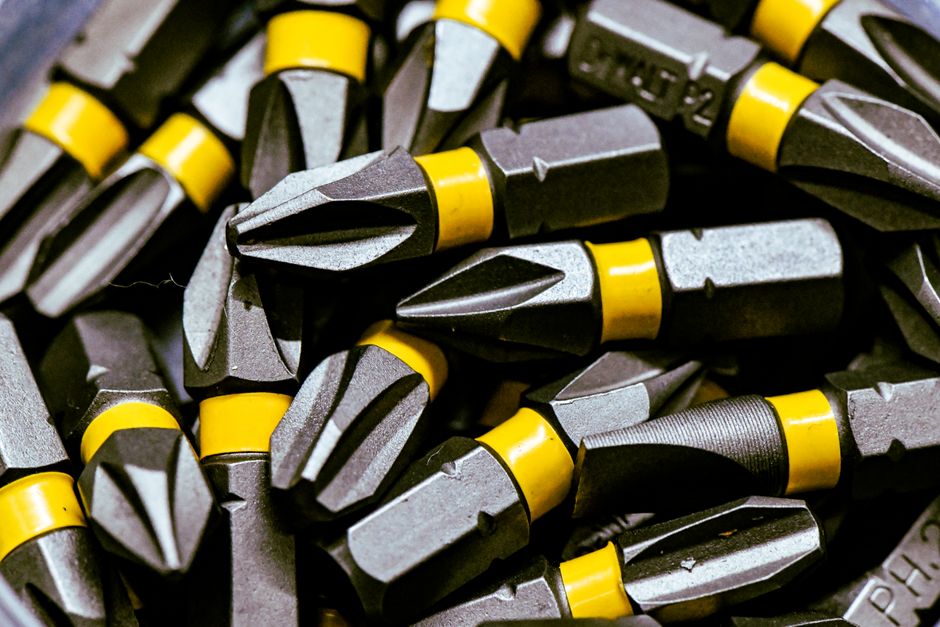
Selecting the best phillips screwdriver bits for impact driver performance is a critical investment for both seasoned contractors and dedicated DIY enthusiasts. Because impact drivers generate high-intensity torque and rapid vibration, using the wrong accessories leads to premature tool failure and damaged fasteners. By prioritizing impact-rated materials, torsion zones, and precision geometry, users ensure their hardware remains secure and their equipment lasts for years of heavy-duty service.
Final Summary of Best Practices
To maintain efficiency on the job site, professionals should adhere to these core takeaways:
- Prioritize Material Quality: Always select bits forged from alloy steel that undergo specialized heat treatments to withstand high-torque applications.
- Embrace Torsion Zones: Seek out designs that allow the bit to flex under load, which significantly reduces the risk of snapping.
- Ensure Proper Fit: Using the correct bit size prevents “cam-out,” a common issue where the driver slips out of the screw head, damaging both the fastener and the bit.
- Invest in Reliable Brands: While it might be tempting to buy bulk, high-quality, professional-grade sets often offer superior long-term value. For those looking for durable alternatives to standard driver sets, research into reputable manufacturers is highly recommended.
Why Quality Matters
When comparing hardware, it is helpful to understand the mechanical properties of materials that dictate how a bit handles stress. Manufacturers that follow rigorous safety standards for hand tools ensure that their products can handle the repetitive shock loads characteristic of impact drivers.
When users equip their tool kits with the best phillips screwdriver bits for impact driver tasks, they minimize downtime and increase precision. Whether a project involves heavy construction or simple household repairs, the right bit is the bridge between a job done quickly and a job done correctly. Always inspect bits for signs of wear, such as rounded edges or metal fatigue, to maintain peak operational safety.
