If you are shopping for the best dovetail saws, the good news is that there are great options for both beginners and seasoned woodworkers. The right saw should feel balanced, cut cleanly, and make fine joinery less stressful. In this roundup, I focused on saws that are practical, accurate, and easy to live with in a real workshop.
Quick Product Comparison
Our Top 9 Best Dovetail Saws Reviews – Expert Tested & Recommended
1. Temple Tool Co. Japanese Dozuki Pull Saw for Dovetails, Tenons, Fine Joinery
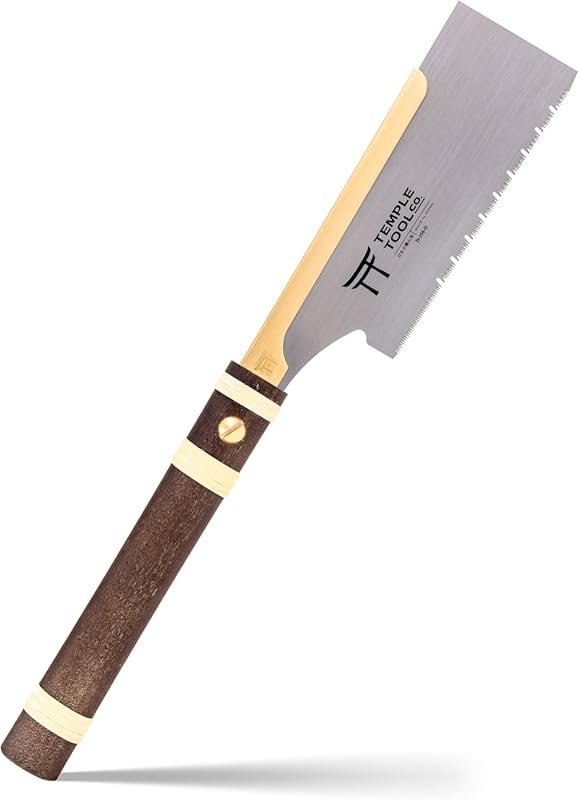
This best dovetail saw pick stands out because it feels made for careful work. The short 150mm blade gives you a lot of control, and the 25 TPI tooth count helps make neat, fine cuts with less tear-out.
Key Features That Stand Out
- ✓ Universal teeth blend crosscut and rip-style cutting for more flexibility
- ✓ 25 TPI blade is ideal for delicate dovetails and fine joinery
- ✓ Compact 150mm size improves control in tight spaces
- ✓ Pull-stroke design helps the blade track straight with less effort
Why We Recommend It
This is the kind of saw that makes you slow down in a good way. It rewards a steady hand and gives you very clean results on small joinery tasks. If you want one saw that feels precise and dependable, this is an easy one to like.
Best For
Best for woodworkers who want a compact, accurate saw for dovetails, tenons, and other fine cuts. It is also a smart choice if you are moving from rough carpentry into cleaner hand-tool work.
Pros and Cons
Pros:
- Very good control for fine joinery
- Sharp, clean cutting action
- Compact size is easy to handle
- Great for detailed work on small stock
Cons:
- Not the fastest saw for larger cuts
- Learning pull-saw technique may take a little time
- Smaller blade can feel limiting on bigger projects
Customer Reviews
Customer Review: “The saw cuts very cleanly and feels easy to control. I used it on dovetails and liked how little cleanup I needed.”
Customer Review: “Small, sharp, and accurate. It took a couple of tries to get used to the pull motion, but after that it worked great.”
2. SUIZAN 7″ Dozuki Dovetail Saw for Rip, Cross, and Angle Cuts
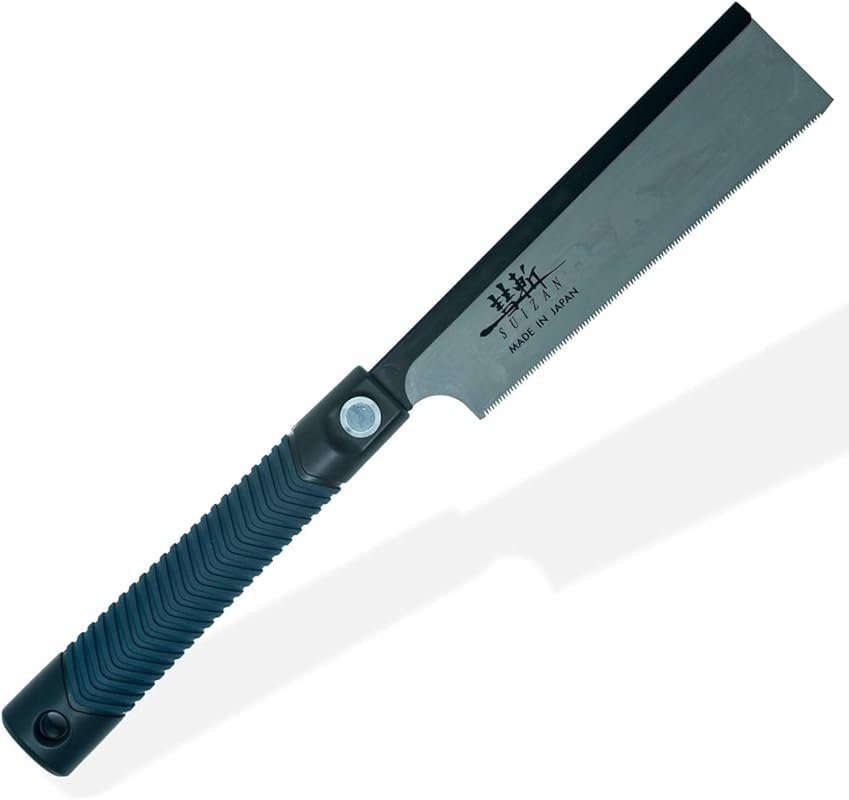
This best dovetail saw option is a favorite for a reason. It offers a very refined cut and a classic Japanese pull-saw feel that many woodworkers appreciate right away.
Key Features That Stand Out
- ✓ 7-inch size gives a nice balance of reach and control
- ✓ Japanese steel blade is known for sharp, precise cutting
- ✓ Pull-saw action reduces cutting effort
- ✓ Good for rip, cross, and angle cuts in joinery work
Why We Recommend It
This saw feels like a step up if you care about clean joinery and a smooth cut line. It is versatile enough for more than just dovetails, which makes it useful in a small shop. The build quality also gives it a more premium feel than many budget saws.
Best For
Best for woodworkers who want a versatile Japanese saw that can handle detailed joinery and more general fine cutting. It is a strong fit for anyone who likes a very sharp, precise tool.
Pros and Cons
Pros:
- Excellent sharpness and smooth cutting
- Works well for several fine-cut tasks
- Comfortable pull-saw feel
- Made in Japan by experienced craftsmen
Cons:
- More expensive than basic saws
- Thin blade needs careful handling
- May feel too refined for rough shop tasks
Customer Reviews
Customer Review: “The saw is extremely sharp and leaves a very clean edge. It made my dovetail work much easier.”
Customer Review: “I like the balance and the way it tracks. It takes a little practice, but the results are worth it.”
3. Temple Tool Co. Japanese Rip-Cut Pull Saw 9.5 for Dovetails and Joinery
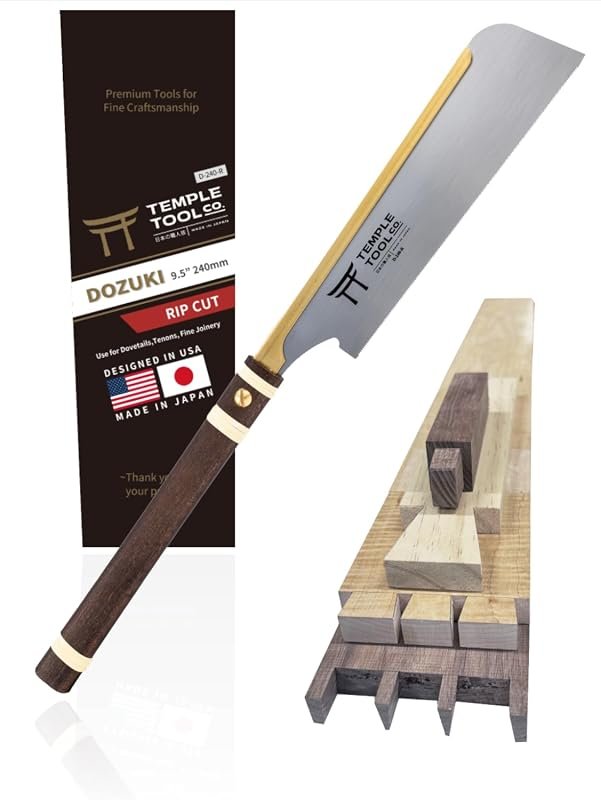
If you want a best dovetail saw pick that stays friendly to your wallet, this one makes a lot of sense. It gives you a fine-cutting pull-saw feel without pushing the price too high.
Key Features That Stand Out
- ✓ 18 TPI rip teeth for controlled joinery cuts
- ✓ 9.5-inch blade offers a bit more reach
- ✓ Solid wood handle with brass details
- ✓ Pull-cut design helps keep the kerf thin
Why We Recommend It
This saw gives you a lot of value for the money. It is sharp, comfortable, and capable of precise work, which is exactly what most people want when shopping for a dovetail saw. I also like that it feels sturdy enough for regular shop use.
Best For
Best for budget-minded woodworkers who still want a clean-cutting Japanese pull saw. It is a strong option for hobby projects, small furniture work, and learning fine joinery.
Pros and Cons
Pros:
- Good value for the price
- Clean, narrow-kerf cutting
- Comfortable wood handle
- Useful for dovetails and small tenons
Cons:
- Not as refined as higher-end saws
- Blade length may feel large for very tiny work
- Finish details are simpler than premium models
Customer Reviews
Customer Review: “For the price, this saw is hard to beat. It cuts cleanly and feels solid in the hand.”
Customer Review: “A very good starter saw for joinery. I had to get used to the pull action, but it works well.”
4. Spear & Jackson 10-Inch Tenon Saw, 15 PPI Fine Cut
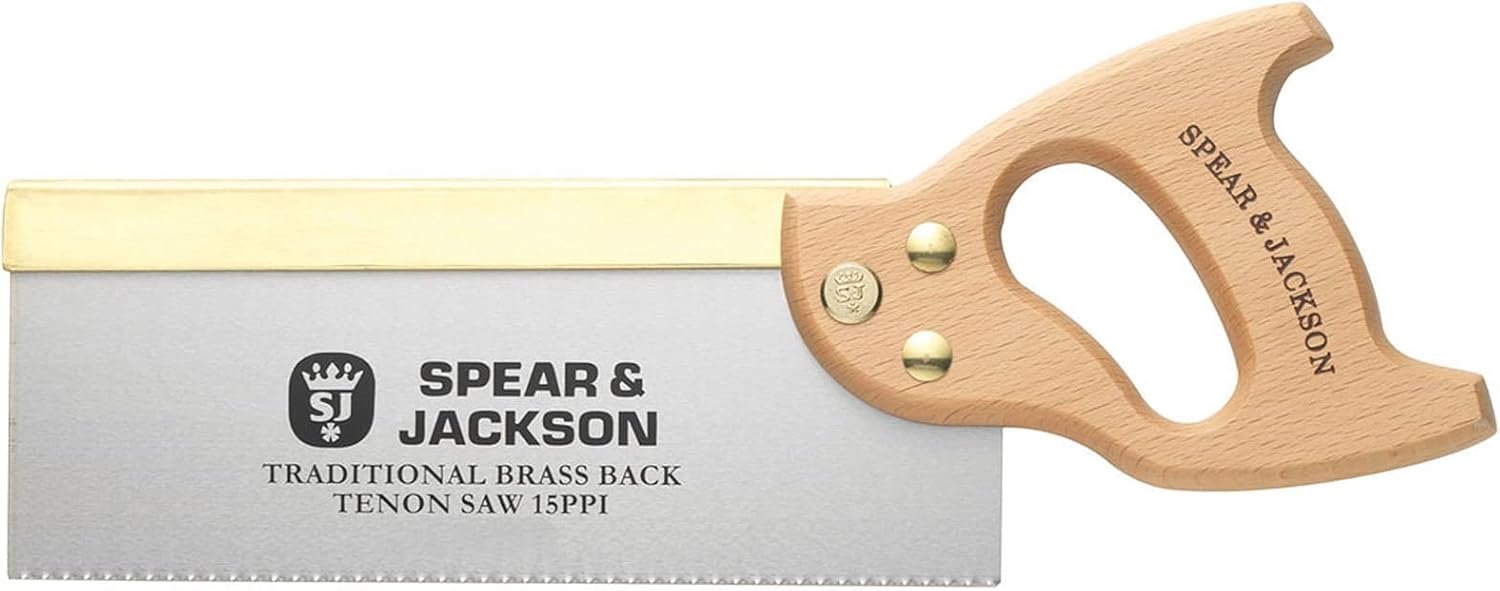
This traditional-style saw is a solid choice if you want a more familiar push-saw feel. It is one of the best dovetail saws for people who prefer a rigid back and a straightforward design.
Key Features That Stand Out
- ✓ 15 PPI fine cut teeth for controlled joinery
- ✓ Brass back adds rigidity and helps the blade stay straight
- ✓ Works well for joint cutting and small wood pieces
- ✓ Familiar push-saw motion for many users
Why We Recommend It
This is a dependable saw that does the basics well. It is not flashy, but it gets the job done with a stable feel and a clean enough cut for many joinery tasks. If you like a more traditional tool, this one is easy to trust.
Best For
Best for woodworkers who want a classic tenon saw for fine joinery and small cuts. It is a practical pick for those who are more comfortable with push saws than pull saws.
Pros and Cons
Pros:
- Rigid brass back supports straight cuts
- Simple and familiar to use
- Good for small joinery jobs
- Fine tooth count helps with cleaner cuts
Cons:
- Not as fast as some Japanese saws
- Less refined finish than premium models
- May require more cleanup on delicate work
Customer Reviews
Customer Review: “A very usable tenon saw. It feels sturdy and cuts straight once you take your time.”
Customer Review: “Good for small joinery and trim work. It is simple, but that is part of the appeal.”
5. Temple Tool Co. 9.5″ Ryoba Japanese Pull Saw for Rip and Crosscuts
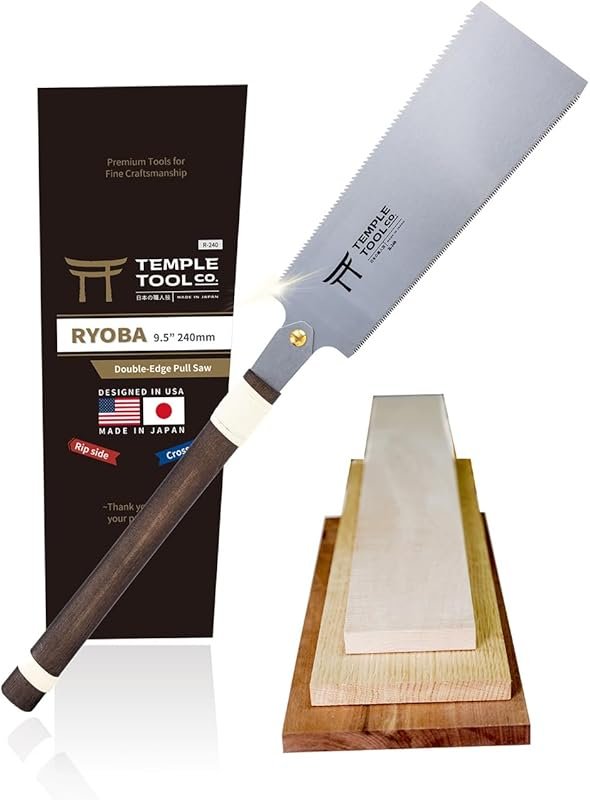
This ryoba is a versatile pick for people who want one saw that can do a little of everything. It is a smart best dovetail saw contender if you also want rip and crosscut ability in the same tool.
Key Features That Stand Out
- ✓ Double-edge blade for both rip and crosscuts
- ✓ 9.5-inch size gives solid reach and control
- ✓ Pull-cut action helps with clean, thin kerfs
- ✓ Wingnut handle and brass components add a premium touch
Why We Recommend It
This saw is useful when you do not want to switch tools all the time. It handles a wide range of fine wood cuts, which makes it handy in a small shop or a beginner setup. The two-sided blade also gives it extra value.
Best For
Best for woodworkers who want one flexible saw for dovetails, joinery, and general fine cutting. It is especially good if you like Japanese pull saws but want more versatility than a single-purpose blade.
Pros and Cons
Pros:
- Very versatile double-edge design
- Good balance between accuracy and reach
- Thin kerf helps reduce waste
- Comfortable handle with nice materials
Cons:
- Not as specialized as a dedicated dovetail saw
- Blade care matters because both edges are useful
- May feel a bit long for tiny detail work
Customer Reviews
Customer Review: “I like having both rip and crosscut sides. It saves space in my toolbox and cuts very cleanly.”
Customer Review: “The saw feels well made and easy to control. Great for small joinery and general shop use.”
6. SUIZAN 6″ Dozuki Dovetail Saw for Rip, Cross, and Angle Cuts
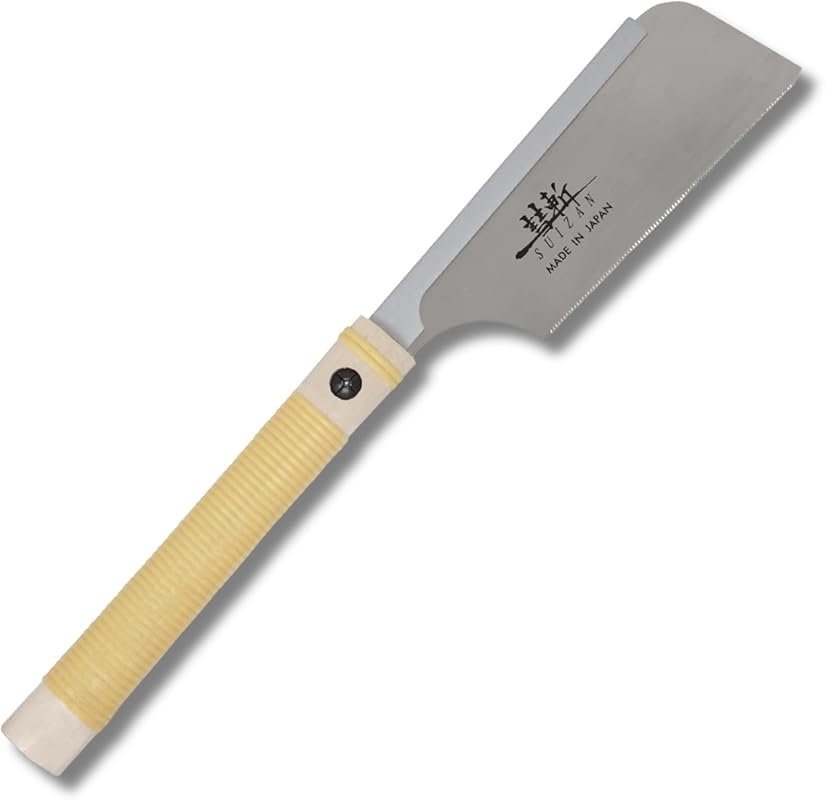
This smaller SUIZAN saw is a nice fit when precision matters more than speed. It earns a spot among the best dovetail saws because the short blade is easy to guide in tight spots.
Key Features That Stand Out
- ✓ 6-inch blade offers excellent control
- ✓ Japanese steel supports sharp, fine cutting
- ✓ Good for rip, cross, and angle cuts
- ✓ Lightweight feel helps reduce hand fatigue
Why We Recommend It
If you do a lot of small joinery, this saw is very easy to appreciate. The shorter blade makes delicate cuts feel less intimidating, and it is especially nice when you need more accuracy than power. It is a good tool to keep close on the bench.
Best For
Best for detailed work, small dovetails, and compact shop tasks. It is a smart choice for woodworkers who prefer a smaller saw for close control.
Pros and Cons
Pros:
- Excellent control in tight spaces
- Sharp cutting feel
- Light and easy to handle
- Good for precise joinery work
Cons:
- Short blade is not ideal for larger boards
- Requires a gentle touch
- Less versatile than longer saws
Customer Reviews
Customer Review: “The short blade makes it easy to stay accurate. I use it for small joinery and it works well.”
Customer Review: “Sharp, light, and very controllable. It is not for big cuts, but that is not what I bought it for.”
7. IVY Classic 11111 10-Inch Dovetail Saw with Hardwood Handle

The IVY Classic is a straightforward saw for people who want a traditional tool without a lot of fuss. It is one of the more familiar-feeling options in this best dovetail saws roundup.
Key Features That Stand Out
- ✓ Reinforced steel back helps keep the blade straight
- ✓ 10-inch size works well for general fine cutting
- ✓ Hardwood handle gives a classic feel
- ✓ Precision-ground teeth support cleaner cuts
Why We Recommend It
This saw is simple, direct, and useful for everyday shop work. It may not feel as polished as some premium Japanese saws, but it gives you a dependable cutting experience. For many people, that is exactly what matters most.
Best For
Best for users who want a classic dovetail saw for occasional joinery and trim work. It also suits anyone who prefers a more traditional push-saw style.
Pros and Cons
Pros:
- Classic shape and feel
- Rigid back helps with straight cuts
- Good for simple joinery jobs
- Comfortable hardwood handle
Cons:
- Less refined than top-tier saws
- May need more cleanup on fine work
- Not as versatile as some pull saws
Customer Reviews
Customer Review: “A good basic dovetail saw. It feels comfortable and does the job for small carpentry tasks.”
Customer Review: “Nothing fancy, but it cuts fine and the handle feels nice in the hand.”
8. Lynx Thomas Flinn Taytools Dovetail Saw
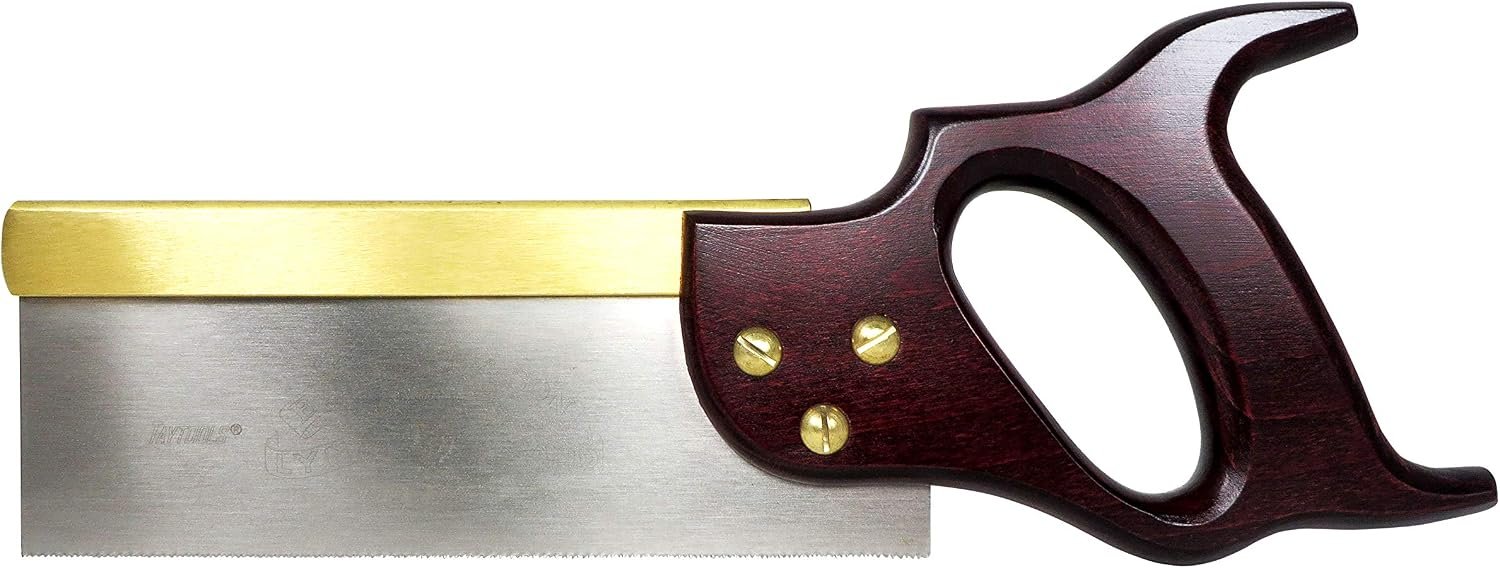
If you like old-school craftsmanship, this saw has a lot going for it. It feels like a serious tool and deserves attention from anyone searching for the best dovetail saws for refined hand work.
Key Features That Stand Out
- ✓ Made by Thomas Flinn in Sheffield, England
- ✓ 20 TPI rip cut blade for fine joinery
- ✓ Brass spine adds strength and balance
- ✓ Taper-ground spring steel plate improves feel and control
Why We Recommend It
This saw has a more traditional premium feel than many entry-level options. It is built for clean, careful work, and the materials give it a nice sense of quality. If you value heritage tools, this one is easy to admire.
Best For
Best for woodworkers who want a classic, well-made dovetail saw with a more traditional look and feel. It is a strong fit for people who care about both performance and craftsmanship.
Pros and Cons
Pros:
- High-quality traditional construction
- Very fine tooth count for detail work
- Good balance and control
- Strong choice for clean joinery cuts
Cons:
- Usually costs more than basic saws
- May feel a little specialized for casual users
- Needs careful technique for best results
Customer Reviews
Customer Review: “This saw feels like a proper hand tool. The cut is fine and controlled, and the brass spine is a nice touch.”
Customer Review: “Very good for joinery work. It rewards patience and gives a clean result.”
9. RUITOOL 6-Inch Japanese Ryoba Pull Saw with Double-Edge Blade
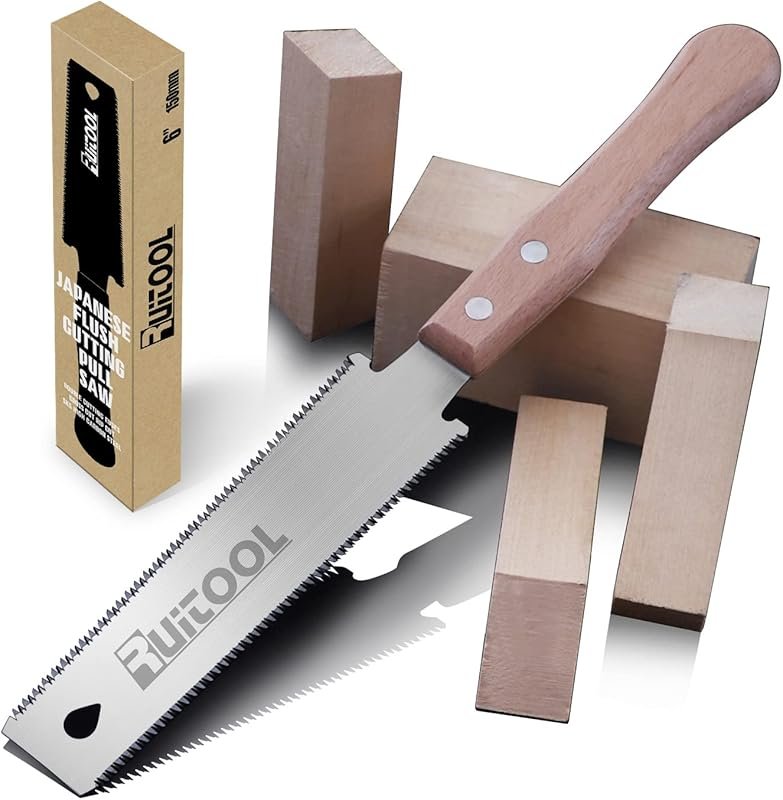
The RUITOOL is a compact, affordable option that is easy to keep on hand. It is a good fit if you want a simple best dovetail saw style tool without spending much.
Key Features That Stand Out
- ✓ 6-inch blade is ideal for precise cutting
- ✓ Double-edge ryoba design adds flexibility
- ✓ SK5 high-carbon steel blade for durability
- ✓ Lightweight build is easy for beginners to handle
Why We Recommend It
This saw is a practical choice for small projects and light joinery. It is not the most premium saw here, but it is easy to use and can be a smart buy for occasional work. I like it as a low-risk tool for learning and everyday touch-up cuts.
Best For
Best for beginners, hobbyists, and anyone who wants a compact saw for small woodworking tasks. It is also useful as a backup saw in a larger tool kit.
Pros and Cons
Pros:
- Affordable and easy to justify
- Compact size is beginner friendly
- Good for small, precise cuts
- Double-edge design adds flexibility
Cons:
- Not as refined as premium models
- Smaller blade limits bigger cuts
- May need more frequent care over time
Customer Reviews
Customer Review: “A nice little saw for the money. It is light, sharp, and useful for small projects.”
Customer Review: “Good starter saw. It took some practice, but once I got the motion down it worked well.”
Complete Buying Guide for Best Dovetail Saws
Essential Factors We Consider
When choosing the best dovetail saws, start with blade size, tooth count, and saw type. A shorter blade usually gives better control, while a higher TPI count is better for fine, clean cuts. You should also decide whether you prefer a push saw or a pull saw, since that changes how the tool feels in use.
Budget Planning
You do not need to spend a lot to get a useful dovetail saw. Budget models can work very well for hobby use, while premium saws often give you better balance, sharper teeth, and a smoother cut. If you only do joinery now and then, a solid midrange pick is often the sweet spot.
Final Thoughts
The best choice depends on how often you cut dovetails and how much control you want. If you are building fine furniture or doing careful hand-tool work, it is worth paying for better feel and cleaner cuts. If you just need a reliable saw for occasional projects, a simpler model can still do a very good job.
Frequently Asked Questions
Q: What makes a dovetail saw different from a regular saw?
A: A dovetail saw is smaller and finer. It is made for accurate joinery, so it usually has a thin blade and more teeth for cleaner cuts.
Q: Is a Japanese pull saw better than a traditional dovetail saw?
A: Not always. Pull saws often cut very cleanly and feel easier to control, but some people still prefer the feel of a traditional push saw. It depends on your hand style and comfort.
Q: How many teeth per inch should a dovetail saw have?
A: For fine joinery, higher TPI is usually better. Many of the best dovetail saws fall in the 15 to 25 TPI range, depending on the style of saw.
Q: Can beginners use a dovetail saw?
A: Yes. In fact, many beginners do well with a small dovetail saw because it encourages slow, accurate cuts. A lightweight pull saw can feel especially friendly at first.
Q: Should I choose a shorter blade for dovetails?
A: Usually, yes. Shorter blades are easier to guide, which helps when you are cutting small joinery by hand.
In the end, the best dovetail saw is the one that feels natural in your hand and matches the kind of work you do most. If you want the most balanced all-around pick, start with the Temple Tool Co. Dozuki 6 or the SUIZAN 7″ Dozuki. If you want a budget-friendly option, the Temple Tool Co. Rip-Cut 9.5 is a smart place to begin. Check the links above, compare the feel you want, and choose the saw that will make your next joinery project easier and more enjoyable.