
Overheating is the #1 enemy of hammer drills. This guide reveals the top hammer drill overheating reasons and provides proven solutions to prevent costly damage. Learn how to identify warning signs, implement preventive maintenance, and extend your tool’s lifespan with simple techniques that any DIYer or pro can follow.
Key Takeaways
- Continuous heavy use causes overheating: Running your hammer drill non-stop for more than 15-20 minutes generates excessive heat that damages internal components.
- Clogged vents are a silent killer: Dust and debris blocking ventilation holes restrict airflow, preventing proper cooling and causing rapid temperature buildup.
- Wrong drill bits increase friction: Using damaged, dull, or inappropriate bits for masonry creates extra resistance and heat generation.
- Worn motor brushes reduce efficiency: Old brushes force the motor to work harder, producing more heat and less power for your drilling tasks.
- Proper technique matters: Applying too much pressure or using incorrect settings strains the motor and leads to dangerous overheating.
- Regular maintenance prevents 80% of issues: Cleaning vents, checking brushes, and using correct bits can eliminate most hammer drill overheating reasons.
Stop Your Hammer Drill From Burning Out: The Complete Guide to Overheating Prevention
You’re halfway through a tough concrete project when your hammer drill suddenly stops. It’s hot. Too hot. Smoke wisps from the vents. Sound familiar? This nightmare scenario hits DIYers and professionals alike. But here’s the truth: most hammer drill failures stem from preventable overheating issues.
This comprehensive guide exposes every major hammer drill overheating reason. You’ll discover exactly why your tool gets dangerously hot, how to stop it before damage occurs, and simple maintenance that triples your drill’s lifespan. No technical jargon. Just practical, actionable advice that saves you money and frustration.
Let’s dive into what really causes your hammer drill to overheat and how you can keep it running cool project after project.
Understanding Your Hammer Drill’s Heat Generation
Before we tackle the specific hammer drill overheating reasons, you need to understand how these powerful tools create heat during normal operation. This knowledge helps you spot when something’s wrong versus when it’s just working hard.
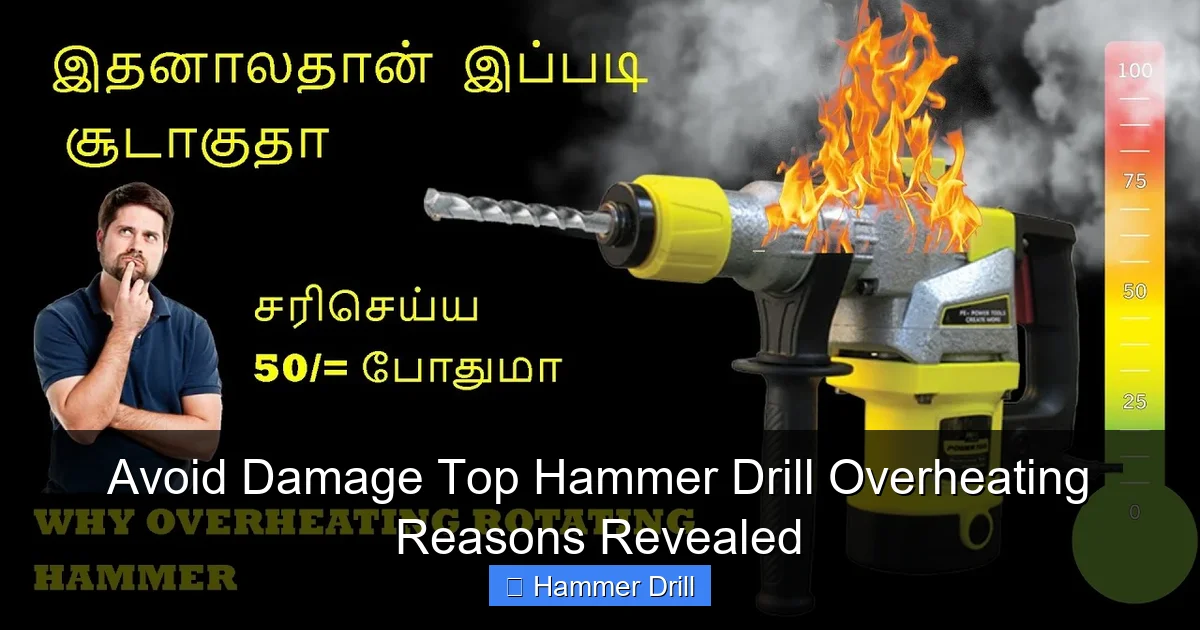
Visual guide about Avoid Damage Top Hammer Drill Overheating Reasons Revealed
Image source: i.ytimg.com
How Hammer Drills Create Heat Naturally
Hammer drills combine rotational force with a rapid hammering action. This dual motion generates significant friction. Friction creates heat. Your motor converts electrical energy into mechanical energy, but no system is 100% efficient. Some energy always becomes waste heat.
Normal operating temperatures range from 140°F to 175°F (60°C to 80°C). At these levels, your drill’s built-in cooling system handles the load. The ventilation holes you see are designed to pull cool air over hot components. Internal fans attached to the motor shaft push hot air out.
Think of it like your car engine. It gets hot while running, but the cooling system keeps it in a safe range. Your hammer drill works the same way. The problems start when heat generation outpaces cooling capacity.
Normal vs. Dangerous Heat Levels
How do you know if your drill is just warm or dangerously hot? Here’s a simple test: if you can comfortably hold your hand on the motor housing for three full seconds, the temperature is likely under 140°F. That’s normal.
If the metal becomes too hot to touch within one second, you’re looking at temperatures exceeding 175°F. This is your danger zone. At 200°F and above, internal damage begins. Plastic components melt. Motor windings lose insulation. Bearings seize. The electronic speed control fries.
Watch for these warning signs: a burning smell, unusual noises, reduced power, or visible smoke. Any of these means stop immediately. Continuing to use a dangerously hot drill guarantees expensive repairs or complete failure.
Top 7 Hammer Drill Overheating Reasons You Must Avoid
Now let’s expose the specific hammer drill overheating reasons that destroy tools daily. Understanding these causes helps you prevent them before they cost you money and time.
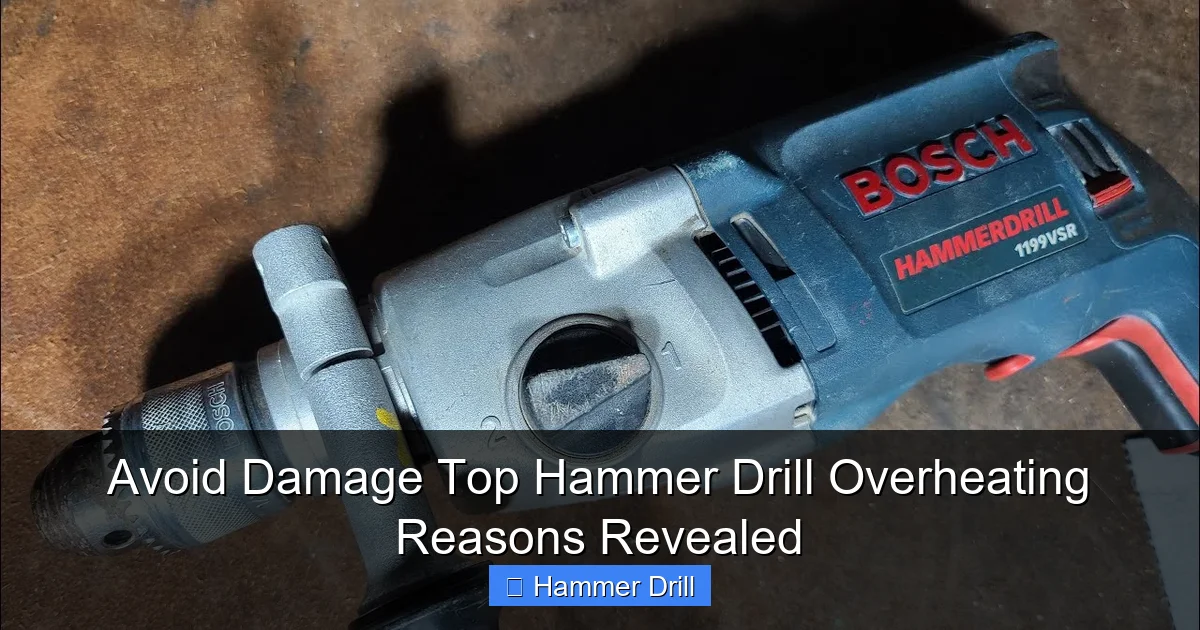
Visual guide about Avoid Damage Top Hammer Drill Overheating Reasons Revealed
Image source: i.ytimg.com
1. Continuous Heavy-Duty Use Without Breaks
This is the #1 cause of hammer drill overheating. Many users push their tools non-stop for 30, 40, even 60 minutes. Concrete, brick, and masonry are tough. Your drill’s motor works at maximum capacity. Heat builds up faster than it can dissipate.
Most hammer drills are designed for intermittent use. A good rule: after 15-20 minutes of continuous heavy drilling, give your tool a 5-minute break. Let it cool down. This cycle prevents excessive heat buildup.
Professional models handle longer run times better than DIY tools. But even commercial-grade drills need breaks during extreme workloads. Think of it like sprinting versus jogging. Constant sprinting burns you out. Strategic pacing gets the job done safely.
2. Clogged Ventilation System
Dust is your hammer drill’s worst enemy. Every time you drill into concrete, you create fine silica dust. This dust gets everywhere, including inside your drill’s ventilation system. Over time, it clogs the air intake and exhaust holes.
When vents clog, hot air can’t escape. Cool air can’t enter. The motor and gears cook in their own heat. You might not notice the problem until it’s too late. The dust builds up gradually, reducing cooling efficiency bit by bit.
Check your vents before every project. Look for dust buildup around the motor housing and handle. If you see debris, clean it immediately. Use compressed air or a small brush. Never use water or solvents that could damage internal components.
3. Worn Motor Brushes and Electrical Issues
Carbon brushes conduct electricity to your drill’s motor. These brushes wear down over time. When they get too short, they make poor contact. The motor works harder to maintain power. This inefficiency creates excess heat.
Most brushes last 50-100 hours of use. Cordless drills often have longer-lasting brushes than corded models. But all brushes eventually need replacement. You’ll notice reduced power, sparking at the motor, or intermittent operation when brushes are worn.
Don’t ignore these signs. Running with worn brushes overheats the motor and can damage the armature. Check your owner’s manual for brush inspection procedures. Many modern drills have brush replacement indicators.
4. Incorrect Drill Bit Selection
Using the wrong bit is a major hammer drill overheating reason. Masonry bits are designed specifically for hammer drills. They have carbide tips and special flutes that eject dust efficiently. Using a regular drill bit or a damaged masonry bit creates massive friction.
A dull bit is worse than no bit. It crushes material instead of cutting it. This generates enormous heat at the tip, which transfers back into the drill mechanism. You’re essentially grinding concrete with a worn tool.
Always match your bit to the material. For concrete and brick, use SDS or carbide-tipped masonry bits. Check the bit for damage before each use. A chipped carbide tip or bent shaft increases heat generation dramatically. Replace bits at the first sign of wear.
Confused about which tool to use for different materials? Understanding the difference between a drill and a hammer drill helps you select the right equipment and avoid unnecessary strain on your tools.
5. Improper Pressure Application
Many users think more pressure equals faster drilling. This is completely wrong. Hammer drills are designed to work with light, steady pressure. The hammering mechanism does the heavy lifting. You just guide the bit.
Excessive pressure jams the mechanism. It binds the gears and strains the motor. This binding creates instant heat buildup. You might smell burning within seconds of applying too much force.
Let the tool do the work. Apply firm, consistent pressure—about 10-15 pounds of force. If you’re leaning on the drill with your full weight, you’re pressing too hard. This technique also prevents bit breakage and keeps you safe.
6. Environmental Factors and Ambient Temperature
Your work environment plays a huge role in tool temperature. Working in direct sunlight on a 90°F day adds significant heat to your drill. Enclosed spaces with poor ventilation trap hot air around the tool. High humidity reduces cooling efficiency.
Picture this: you’re drilling in a hot garage with no airflow. Your drill’s motor is already at 150°F from use. The ambient air is 90°F. The cooling system can’t pull in enough cool air to compensate. Overheating happens fast.
Work in cooler, shaded areas when possible. Use fans to improve airflow around your tool. Take more frequent breaks in hot environments. Never store your drill in a hot vehicle after use. The residual heat combined with high ambient temperatures can cause damage even when powered off.
7. Electrical Power Problems
Power issues are often overlooked hammer drill overheating reasons. Voltage fluctuations, extension cord problems, and circuit overloads all contribute to excessive heat.
Using a long, thin extension cord causes voltage drop. Your drill’s motor draws more current to compensate, creating heat. Cheap power strips with undersized wiring do the same thing. Old, corroded outlets increase resistance and heat generation.
Always use the shortest, thickest extension cord possible. For corded drills, 14-gauge wire is minimum for runs under 25 feet. For longer distances, go to 12-gauge. Plug directly into wall outlets when you can. If you notice flickering lights while drilling, you have an electrical issue that needs fixing.
For cordless users, battery problems can cause overheating too. Old batteries can’t deliver full power efficiently. Using mismatched chargers or damaged battery packs stresses the motor. Consider checking out the best cordless drill options if you’re in the market for a new tool with reliable battery technology.
Prevention Strategies That Actually Work
Now that you know the hammer drill overheating reasons, let’s talk solutions. Prevention beats repair every time. These strategies keep your tool cool and extend its life dramatically.
Visual guide about Avoid Damage Top Hammer Drill Overheating Reasons Revealed
Image source: toolcroze.com
Create a Regular Maintenance Schedule
Set a calendar reminder. Every 25 hours of use, perform a thorough inspection. Check brushes, clean vents, and examine the power cord or battery contacts. Every 50 hours, lubricate the chuck mechanism and check gear oil if your model requires it.
Keep a maintenance log in your toolbox. Note the date, hours used, and work performed. This helps you track wear patterns and predict problems before they cause overheating. A well-maintained drill lasts 5-7 years. A neglected one might fail in 18 months.
Stock basic supplies: compressed air, small brushes, and quality lubricant. These cost under $20 but prevent hundreds in repairs. Think of it like changing your car’s oil. Small, regular investments prevent major breakdowns.
Master Proper Ventilation Care
Clean vents after every project. Don’t wait for dust buildup. A quick 30-second blast of compressed air takes no time and prevents 90% of cooling issues. Do this in a well-ventilated area to avoid breathing dust.
For deep cleaning, remove the housing cover every few months. Use a soft brush to gently remove dust from internal components. Never use water or cleaning solvents. These can damage insulation and create electrical hazards.
Consider adding a dust collection attachment if you frequently drill overhead or in enclosed spaces. These devices capture dust at the source, keeping it out of your drill’s ventilation system. Your lungs and your drill will thank you.
Develop Correct Usage Techniques
Proper technique prevents most overheating issues. Start with the right bit for your material. Apply light, steady pressure. Let the hammer mechanism work for you. Pull the bit out every few seconds to clear dust from the hole.
Work in short bursts. Drill for 10-15 seconds, then retract. This clears dust and lets the bit cool. In deep holes, use a vacuum to remove debris periodically. A clogged hole forces the drill to work harder and creates excess heat.
Need detailed guidance on proper drilling technique? Our guide on how to use a drill for screws into a wall covers the fundamentals that apply to all drilling tasks, including masonry work.
Choose the Right Bit Every Time
Invest in quality masonry bits. Cheap bits wear faster and generate more heat. Look for carbide tips with brazed construction, not glued. Check the flute design—aggressive spirals eject dust better.
Match bit size to your task. Large bits create more friction and heat. Use the smallest bit that will work for your project. For example, if you need a 1/2-inch hole, start with a 1/4-inch pilot hole. This reduces overall heat generation.
Store bits properly. Keep them in a case to prevent damage. A bent bit wobbles during drilling, creating uneven pressure and hot spots. Replace bits at the first sign of wear—don’t try to squeeze out “one more use.”
Troubleshooting Overheating Issues
What if your drill already overheats? Don’t panic. Follow this systematic approach to diagnose and fix the problem.
Immediate Actions When Overheating Starts
Stop drilling the moment you notice excessive heat. Unplug corded models or remove batteries from cordless drills. Let the tool cool completely—at least 30 minutes. Don’t rush this step. Forcing a hot tool to cool quickly can warp components.
Check for obvious issues: clogged vents, damaged bits, or excessive pressure. Clean what you can see. Inspect the bit for damage. If the problem was simple user error, you’re back in business.
If the drill won’t restart after cooling, you likely have internal damage. Smell for burning. Listen for unusual noises when you try to start it. These signs mean you need professional repair or replacement.
Long-Term Solutions and Repairs
For recurring overheating, perform a complete diagnostic. Remove the housing and inspect internal components. Look for burnt smells, melted plastic, or discolored metal. Check brushes for wear. Measure their length against manufacturer specifications.
Test the motor windings with a multimeter if you have electrical knowledge. Look for short circuits or open circuits. Check bearings for smooth rotation. Worn bearings create friction and heat. Replace them as a set.
Clean the entire tool with electrical contact cleaner. This removes conductive dust that can cause shorts. Lubricate all moving parts with manufacturer-recommended grease. Reassemble carefully, ensuring all seals are properly seated.
When to Seek Professional Help
Some problems require expert attention. If your drill shows these signs, stop using it immediately: burning plastic smell, visible smoke, complete loss of power, or strange grinding noises.
Professional repair makes sense for expensive, high-quality tools. If your drill costs over $200, a $50 repair might be worthwhile. For cheap DIY models, replacement is often more economical.
Find a certified repair center with good reviews. Ask about warranty coverage. Many manufacturers void warranties if users attempt their own repairs. Know your limits—some fixes require specialized tools and expertise.
Conclusion: Keep Your Hammer Drill Cool and Productive
Understanding hammer drill overheating reasons transforms you from a frustrated tool owner to a confident user. Most problems stem from simple issues: clogged vents, worn brushes, or improper technique. These are easy to prevent with regular care.
Remember the key principles: work in reasonable bursts, keep vents clean, use correct bits, and apply proper pressure. Take breaks in hot environments. Maintain your tool religiously. These habits add years to your drill’s life.
Your hammer drill is a significant investment. Protect it. The small time spent on maintenance pays huge dividends in performance and longevity. Now you know exactly how to keep your tool running cool project after project.
Still unsure about when to use your hammer drill versus other tools? Understanding the difference between an impact driver and hammer drill ensures you’re using the right tool for each task, preventing unnecessary strain and overheating.
