A joiner’s mallet is a wooden hammer used in woodworking for striking chisels and other tools without damaging them. It provides controlled, gentle force for precise work.
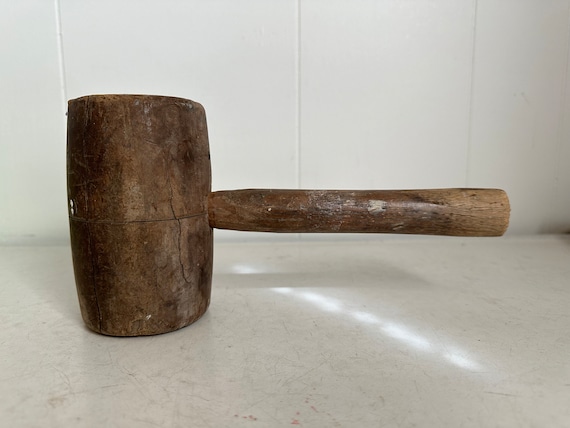
A joiner’s mallet is a crucial tool in any woodworker’s arsenal. Made entirely of wood, it consists of a solid head and a handle. The wooden head ensures that the mallet delivers controlled force, making it ideal for striking chisels and other delicate tools.
This prevents damage to both the tool and the workpiece. Woodworkers use the joiner’s mallet for tasks requiring precision and finesse. Its ergonomic design reduces hand fatigue, allowing for extended use. Whether you’re a professional carpenter or a DIY enthusiast, this tool enhances your woodworking efficiency and accuracy.

Credit: www.fine-tools.com
Introduction To Joiner’s Mallet Hammer
The Joiner’s Mallet Hammer is a tool essential for woodworkers. It has a unique design, different from regular hammers. This tool helps in precise and delicate woodwork.
Definition And Purpose
A Joiner’s Mallet Hammer consists of a wooden head and handle. The head is usually rectangular and made of hardwood. This design allows for gentle yet effective strikes. Carpenters and woodworkers use it to chisel wood without damaging it. The mallet provides control and accuracy, essential for fine woodworking tasks.
Historical Background
The Joiner’s Mallet Hammer has roots in ancient woodworking. Traditional craftsmen used it for intricate woodwork. Over time, its design has evolved, but the basic concept remains the same. It has been a staple in workshops for centuries, showcasing its enduring utility.
| Feature | Description |
|---|---|
| Material | Hardwood |
| Shape | Rectangular head |
| Uses | Chiseling, precise strikes |
Using a Joiner’s Mallet Hammer ensures your woodwork is precise. Its design helps in achieving detailed craftsmanship. Every woodworker should have this tool in their kit.
Design And Features
The joiner’s mallet hammer is a vital tool for woodworkers. Its design and features make it essential for precise woodworking tasks. Let’s dive into its key design elements.
Material Composition
Most joiner’s mallets are made of hardwood. This material ensures durability and strength. Common hardwoods include beech and oak. These woods can withstand repeated blows without damage.
| Material | Features |
|---|---|
| Beech | Durable, Shock-Resistant |
| Oak | Strong, Long-Lasting |
Handle And Head Design
The handle is usually ergonomically designed. This ensures a comfortable grip. Handles are often tapered to prevent slipping. Some have an oval cross-section for better control.
The head of the mallet is large and rectangular. This shape provides a broad striking surface. It allows for precise and controlled hits. The head is often made of the same hardwood as the handle. Some mallets have replaceable heads for extended use.
- Comfortable, ergonomic handle
- Large, rectangular head
- Replaceable heads available
This combination of design features makes the joiner’s mallet hammer effective. It allows woodworkers to perform tasks with precision and ease.
Types Of Joiner’s Mallets
The types of joiner’s mallets vary based on design and material. Understanding these types helps in choosing the right tool for woodworking tasks.
Traditional Mallets
Traditional mallets are made from solid wood. They have a rectangular or square head. The heads are usually beech or maple. These woods are durable and resist splitting. The handle is often ash or hickory for strength.
Traditional mallets offer a comfortable grip. They provide good control for precise chiseling. The weight of the wooden head helps in delivering controlled force. These mallets are ideal for fine joinery work.
Modern Variants
Modern mallets come in various materials and designs. Some have rubber or plastic heads. These materials reduce the risk of damaging delicate surfaces. Other modern mallets feature metal or composite handles. These are lighter and provide better shock absorption.
Modern variants include dead-blow mallets. These have a hollow head filled with sand or lead shot. This design minimizes rebound and delivers more force. Another modern type is the soft-faced mallet. It has replaceable heads made of different materials, offering versatility.
| Type | Materials | Features |
|---|---|---|
| Traditional Mallets | Beech, Maple, Ash, Hickory | Solid wood construction, comfortable grip, precise control |
| Modern Variants | Rubber, Plastic, Metal, Composite | Shock absorption, reduced surface damage, versatile |
| Dead-Blow Mallets | Metal, Sand, Lead Shot | Minimizes rebound, delivers more force |
| Soft-Faced Mallets | Plastic, Rubber | Replaceable heads, versatile use |

Credit: en.wikipedia.org
Choosing The Right Mallet
Picking the perfect joiner’s mallet hammer can be tricky. The right mallet can make your woodworking easier and more accurate. Let’s dive into the factors and popular brands to consider.
Factors To Consider
When selecting a mallet, focus on these key factors:
- Weight: The mallet’s weight affects control. Heavier mallets deliver stronger blows but can tire your arm quickly.
- Material: Mallets come in various materials, such as wood, rubber, and metal. Wooden mallets are traditional and provide a softer strike. Rubber mallets are great for delicate tasks.
- Handle: The handle’s length and grip should feel comfortable in your hand. Look for ergonomic designs to reduce strain.
- Balance: A well-balanced mallet ensures better control and accuracy.
- Durability: Ensure the mallet is sturdy and can withstand repeated use.
Popular Brands
Several brands stand out for their quality and reliability. Below is a list of some popular brands:
| Brand | Features |
|---|---|
| Stanley | Known for durability and comfort. Offers a variety of weights and materials. |
| Thor | Specializes in non-marking mallets. Ideal for delicate woodworking tasks. |
| Grizzly | Offers traditional wooden mallets. Well-balanced and long-lasting. |
Choosing the right mallet enhances your woodworking experience. Consider weight, material, handle, balance, and durability. Top brands like Stanley, Thor, and Grizzly offer excellent options.
Basic Techniques
Understanding the basic techniques of using a joiner’s mallet hammer is essential. This tool helps in various woodworking tasks. Proper grip and stance are key elements in achieving controlled strikes.
Grip And Stance
A proper grip ensures efficiency and safety. Hold the mallet firmly but not too tight. Your fingers should wrap comfortably around the handle. The thumb should rest along the side of the handle.
Stance is equally important. Stand with your feet shoulder-width apart. Keep a slight bend in your knees. This stance gives you balance and control. Align your body with the direction of the strike.
Controlled Strikes
Controlled strikes are vital for precision. Lift the mallet using your wrist and elbow. Avoid using your shoulder too much. This helps in delivering accurate blows.
Start with gentle taps to position the chisel or workpiece. Gradually increase the force as needed. Always aim for consistent, steady strikes. This prevents damage to your tools and work.
Remember to maintain a rhythm. Consistent strikes lead to better results. Practice these techniques to improve your woodworking skills.
Credit: www.etsy.com
Advanced Uses
The joiner’s mallet hammer is a versatile tool. It’s used in various advanced woodworking tasks. Skilled artisans rely on it for precision work. Below, we explore some advanced uses.
Joinery And Carpentry
In joinery, the joiner’s mallet hammer is essential. It helps in fitting joints snugly. This tool is also used for driving wooden pegs. It ensures that joints are tight and secure.
Carpenters use the mallet for delicate tasks. It’s used to tap chisels gently. This prevents damage to the wood. The mallet’s wooden head avoids leaving marks on the workpiece.
Wood Carving
The joiner’s mallet hammer is crucial in wood carving. It provides controlled force. Carvers use it to shape intricate designs. The mallet helps in making detailed cuts without splitting the wood.
Wood carvers prefer the joiner’s mallet for its balance. It allows precise strikes. This is important for achieving fine details. The mallet’s weight aids in delivering consistent blows.
| Task | Use of Joiner’s Mallet Hammer |
|---|---|
| Joinery | Tightens joints, drives pegs |
| Carpentry | Gentle chisel tapping |
| Wood Carving | Controlled force for intricate designs |
Overall, the joiner’s mallet hammer is indispensable in advanced woodworking. Its design and functionality are tailored for precision tasks. This makes it a favorite among skilled woodworkers.
Maintenance Tips
Maintaining your joiner’s mallet hammer ensures its longevity and effectiveness. Proper care makes your tool reliable and ready for use. Below are some essential maintenance tips to keep your mallet in top condition.
Cleaning And Storage
Regular cleaning removes dirt and debris. Use a soft cloth to wipe the mallet after each use. For stubborn stains, dampen the cloth slightly. Avoid soaking the mallet in water as it can damage the wood.
Store the mallet in a dry place to prevent moisture damage. Consider hanging it on a tool rack or placing it in a tool chest. Keep it away from direct sunlight to avoid warping and cracking.
Repair And Replacement
Inspect the mallet regularly for signs of wear and tear. Check the head and handle for cracks or splinters. If the head becomes loose, secure it with wood glue or replace the handle if necessary.
If the mallet head shows deep dents or cracks, it may be time for a replacement. A well-maintained mallet performs better and lasts longer, making your woodworking projects smoother and more enjoyable.
Safety Precautions
When using a Joiner’s Mallet Hammer, safety is of utmost importance. Proper handling and protective gear can prevent accidents. Let’s dive into essential safety precautions.
Proper Handling
Always grip the Joiner’s Mallet Hammer with a firm hold. Keep your fingers and hands clear of the striking area. Make sure your work area is free of obstacles. Use a stable surface to work on for better control.
Inspect the mallet for any damage before use. A cracked or loose head can be dangerous. Ensure the handle is secure and in good condition.
Protective Gear
Wearing the right protective gear is crucial. Always use safety goggles to protect your eyes from debris. Gloves can provide a better grip and protect your hands.
Consider wearing ear protection if you’re working in a noisy environment. A dust mask can be helpful if working with materials that produce dust.
| Protective Gear | Purpose |
|---|---|
| Safety Goggles | Protects eyes from debris |
| Gloves | Enhances grip and protects hands |
| Ear Protection | Reduces noise impact |
| Dust Mask | Prevents inhalation of dust |
Remember, safety should always be your first priority. Proper handling and protective gear can make a significant difference.
Frequently Asked Questions
What Is A Joiner’s Mallet Hammer?
A joiner’s mallet hammer is a wooden tool used for woodworking tasks.
How Is A Joiner’s Mallet Used?
It’s used to strike chisels or adjust wooden joints without damaging the tool.
What Materials Make Up A Joiner’s Mallet?
Typically, it is made from hard, dense wood like beech or maple.
Why Choose A Wooden Mallet Over A Metal One?
A wooden mallet prevents damage to woodworking tools and provides better control.
Can A Joiner’s Mallet Be Used For Carving?
Yes, it is ideal for detailed wood carving and fine adjustments.
Conclusion
Understanding the joiner’s mallet hammer is essential for woodworking. It’s a key tool for precision and control. Whether you’re a professional or hobbyist, this tool enhances your woodworking projects. Invest in a quality mallet for better craftsmanship. Mastering its use can elevate your woodworking skills significantly.