
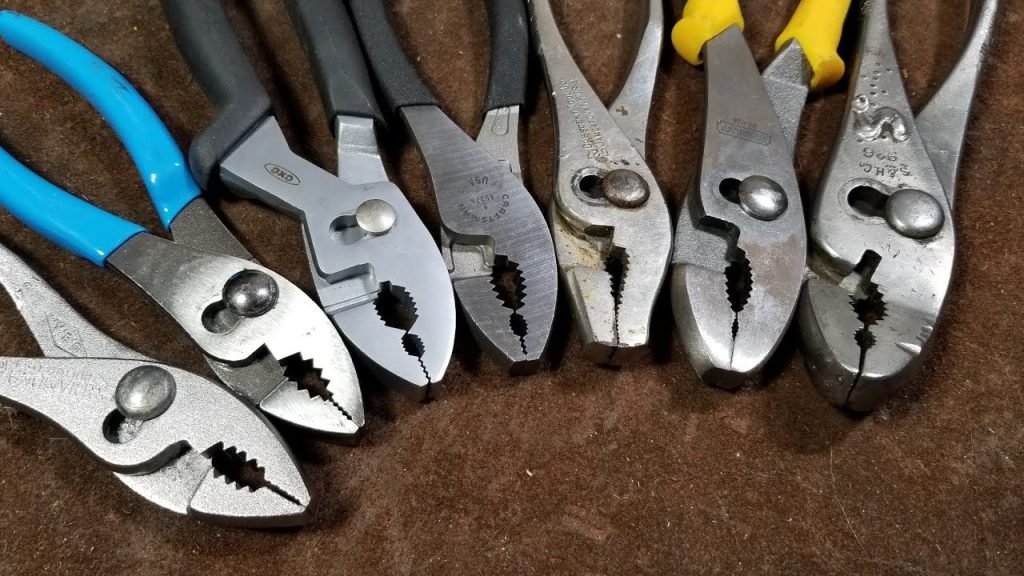
Slip joint pliers come in several types, including standard slip joint pliers, locking slip joint pliers, and needle-nose slip joint pliers. Each type serves specific tasks, making them versatile tools for various applications.
Slip joint pliers are essential tools for both professionals and DIY enthusiasts. Their adjustable jaws allow for gripping a variety of sizes, making them handy for plumbing, automotive work, and electrical tasks.
The design typically features two pivot points, which enable the user to alter the jaw width easily.
This adaptability makes them suitable for gripping and turning objects of different shapes. Understanding the various types of slip joint pliers can enhance your tool collection, improving efficiency and effectiveness in your projects.
With the right slip joint pliers, you can tackle a wide range of tasks with confidence.
Credit: www.learnitaly.us
Introduction To Slip Joint Pliers
Slip joint pliers are versatile hand tools. They help grip, twist, and turn objects. These pliers have adjustable jaws. This feature makes them suitable for various tasks. They are commonly used in plumbing, electrical work, and general repairs.
The Basics
Slip joint pliers consist of two handles and jaws. The jaws can be adjusted to different widths. This adjustment is done using a pivot point. The unique design allows for multiple gripping sizes.
- Adjustable Jaws: Change the width easily.
- Comfortable Grip: Ergonomically designed for ease of use.
- Durable Material: Often made from high-carbon steel.
Common sizes range from 6 to 12 inches. A larger size offers more gripping power. Smaller sizes are suitable for delicate tasks.
Importance In Toolkits
Slip joint pliers are essential in every toolkit. They provide flexibility for various tasks. Here are some key reasons why they matter:
- Versatility: Handle multiple sizes of nuts and bolts.
- Efficiency: Speed up tasks like plumbing and electrical work.
- Durability: Built to withstand tough jobs.
Every DIY enthusiast should own a pair. Professionals also rely on slip joint pliers daily. They simplify challenging projects.
| Feature | Description |
|---|---|
| Jaw Adjustment | Easy adjustment for different sizes |
| Grip Type | Comfortable and secure grip |
| Material | High-carbon steel for strength |
The Anatomy Of Slip Joint Pliers
Slip joint pliers are essential tools in many toolboxes. Understanding their anatomy helps you use them effectively. These pliers have unique components that enhance their functionality. Let’s explore the key parts and how they work.
Key Components
- Handles: These provide grip and leverage.
- Jaws: The gripping part that holds objects.
- Pivot Point: The joint where the handles connect.
- Adjustment Mechanism: Allows for jaw size changes.
- Teeth: Improve grip on smooth surfaces.
| Component | Function |
|---|---|
| Handles | Provide leverage for gripping and turning. |
| Jaws | Securely hold various sizes of objects. |
| Pivot Point | Enables smooth opening and closing. |
| Adjustment Mechanism | Changes jaw width for different tasks. |
| Teeth | Enhance grip on slippery materials. |
How They Work
Slip joint pliers operate through a simple mechanism. The adjustment mechanism allows the user to change jaw sizes. This feature enables the pliers to grasp both small and large items.
- Open the pliers by squeezing the handles.
- Adjust the jaw size using the pivot point.
- Position the jaws around the item.
- Squeeze the handles to grip securely.
Slip joint pliers are versatile and easy to use. Their design makes them suitable for a variety of tasks. They are perfect for gripping, twisting, and turning objects.
Standard Slip Joint Pliers
Standard slip joint pliers are versatile tools. They feature adjustable jaws. This allows users to grip various sizes of objects. Their design makes them essential in many tasks.
Features
- Adjustable Jaws: Easily change jaw width for different tasks.
- Comfortable Handles: Designed for a firm grip and reduced fatigue.
- Durable Materials: Made from high-quality steel for longevity.
- Multiple Positions: Jaw can be set in different positions for flexibility.
Common Uses
Standard slip joint pliers serve many purposes. Here are some common uses:
- Gripping: Hold nuts, bolts, and other fasteners.
- Bending: Shape wires and thin metal strips.
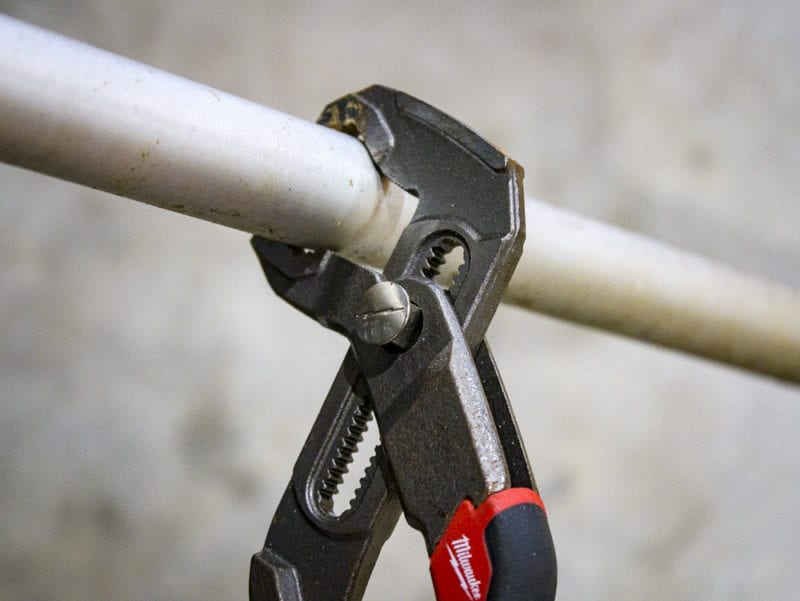
- Tightening: Secure plumbing fittings and hose connections.
- Cutting: Some models include cutting edges for wires.
| Use | Description |
|---|---|
| Gripping | Securely hold various objects and parts. |
| Bending | Manipulate wires and metal for DIY projects. |
| Tightening | Fasten plumbing and electrical connections. |
| Cutting | Some pliers can cut through thin materials. |
Credit: www.protoolreviews.com
Long Nose Slip Joint Pliers
Long nose slip joint pliers are versatile tools. They have elongated jaws for gripping tight spaces. These pliers are perfect for precision work and delicate tasks.
Design Characteristics
Long nose slip joint pliers feature unique design elements:
- Extended Jaws: Ideal for reaching into tight spots.
- Adjustable Pivot Point: Provides flexibility for different tasks.
- Non-Slip Grip: Ensures comfort and control during use.
- Durable Material: Made from high-quality steel for longevity.
Ideal Applications
These pliers excel in various applications, including:
- Electrical work: Gripping and twisting wires.
- Jewelry making: Handling small components.
- Automotive repairs: Accessing hard-to-reach areas.
- Home improvement: Installing or removing fixtures.
Long nose slip joint pliers are essential in any toolbox. Their design and versatility make them invaluable for many tasks.
Heavy-duty Slip Joint Pliers
Heavy-duty slip joint pliers are strong and versatile tools. They excel at gripping and turning various objects. These pliers are perfect for tough tasks. Their adjustable jaws allow for a wide range of uses.
Build Quality
Heavy-duty slip joint pliers feature robust construction. They often use high-quality materials like:
- Carbon steel
- Chromium vanadium steel
- Stainless steel
These materials enhance durability and resistance to wear. Many models include:
| Feature | Description |
|---|---|
| Grip | Ergonomic handles for comfort |
| Jaw Design | Wide opening for various sizes |
| Locking Mechanism | Secure grip on objects |
Heavy-duty slip joint pliers often have rust-resistant coatings. This protects them during outdoor use.
When To Use Them
Use heavy-duty slip joint pliers for:
- Plumbing tasks, such as tightening fittings
- Automotive repairs, like loosening nuts
- General maintenance around the home
These pliers are ideal for:
- Working with large pipes
- Handling heavy-duty fasteners
- Gripping irregular shapes
They provide excellent leverage and control. Choose them for tasks that need strength and precision.
Specialized Slip Joint Pliers
Specialized slip joint pliers offer unique features for specific tasks. These tools enhance precision and control. They are designed for jobs where standard pliers might fall short.
Types
- Needle Nose Slip Joint Pliers
- Locking Slip Joint Pliers
- Water Pump Pliers
- Heavy-Duty Slip Joint Pliers
Specific Tasks They’re Suited For
Each type of specialized slip joint plier serves different purposes.
| Type | Tasks |
|---|---|
| Needle Nose Slip Joint Pliers | Reaching into tight spaces and bending wire. |
| Locking Slip Joint Pliers | Gripping objects firmly with adjustable pressure. |
| Water Pump Pliers | Adjusting and turning plumbing fixtures. |
| Heavy-Duty Slip Joint Pliers | Handling tough materials and providing extra leverage. |
Choosing the right type improves efficiency. Specialized slip joint pliers make tasks easier and faster.
Choosing The Right Slip Joint Pliers
Finding the perfect slip joint pliers can enhance your toolbox. These versatile tools help with various tasks. Understanding your needs is essential for making the right choice. Here’s a guide to help you select the best slip joint pliers.
Factors To Consider
Several factors can impact your choice of slip joint pliers:
- Size: Choose a size that fits your hand comfortably.
- Jaw Capacity: Look for pliers with adjustable jaws for different tasks.
- Material: Steel is strong and durable. Consider rust-resistant options.
- Grip: Rubber or plastic grips provide comfort and control.
- Weight: Lighter pliers are easier to use for extended periods.
Recommendations
Here are some top-rated slip joint pliers:
| Brand | Model | Jaw Capacity | Price Range |
|---|---|---|---|
| Channel Lock | 440 | 1.5 inches | $15 – $20 |
| Klein Tools | J207-8 | 1.75 inches | $20 – $25 |
| Irwin Vise-Grip | 2078709 | 2 inches | $10 – $15 |
Choose a model based on your tasks. Read reviews for more insights. Take your time to find the best fit. Quality tools make jobs easier and safer.
Maintenance And Care
Keeping your slip joint pliers in great shape is vital. Proper maintenance ensures long-lasting performance and reliability. Here are some essential tips to help you care for your tools.
Cleaning Tips
Regular cleaning is crucial for slip joint pliers. Dirt and grime can cause damage. Follow these steps for effective cleaning:
- Use a soft cloth to wipe the handles.
- For tough spots, use warm soapy water.
- Rinse with clean water and dry thoroughly.
- Apply a light coat of oil to moving parts.
Cleaning after each use prevents rust and corrosion.
Longevity Tips
To extend the life of your slip joint pliers, consider these tips:
- Store properly: Keep pliers in a dry place.
- Avoid dropping: Drops can bend or break the tool.
- Use for intended purposes: Don’t use pliers for prying or hammering.
- Inspect regularly: Check for rust or wear before use.
Following these guidelines helps maintain optimal performance.
| Action | Frequency |
|---|---|
| Clean after use | Every use |
| Oil moving parts | Monthly |
| Inspect for damage | Every few uses |
Future Of Slip Joint Pliers
The future of slip joint pliers looks bright and innovative. New technologies enhance their functionality. These tools are evolving to meet modern needs.
Innovations
Innovations in slip joint pliers focus on improved design and materials. Manufacturers are exploring:
- Ergonomic Handles: Comfort reduces hand fatigue during use.
- Durable Materials: High-quality steel resists rust and wear.
- Smart Technology: Integrated sensors provide tool performance data.
- Multi-functionality: Some models now include additional tools.
These innovations aim to make slip joint pliers more efficient. Users will benefit from enhanced performance and durability.
Trends To Watch
Several trends are shaping the future of slip joint pliers:
- Sustainability: Eco-friendly materials are gaining popularity.
- Customization: Personalized tools are becoming common.
- Smart Features: Bluetooth-enabled tools for tracking usage.
- Compact Designs: Space-saving tools for easier storage.
These trends reflect changing user preferences and environmental concerns. The market is shifting towards smarter, greener solutions.

Credit: toolguyd.com
Frequently Asked Questions
- What Are Slip Joint Pliers Used For?
Slip joint pliers are versatile tools designed for gripping, twisting, and turning various objects, making them ideal for plumbing and electrical work.
- How Do Slip Joint Pliers Work?
Slip joint pliers feature adjustable pivots, allowing the jaws to open wider or narrower for different sizes of objects.
- What Materials Are Slip Joint Pliers Made From?
Typically, slip joint pliers are made from high-carbon steel for durability, with rubberized grips for comfort and control.
- What Are The Benefits Of Slip Joint Pliers?
They provide excellent grip, versatility, and ease of use, making them essential for both professionals and DIY enthusiasts.
- Can Slip Joint Pliers Replace Other Tools?
While versatile, slip joint pliers should complement, not replace, specialized tools like wrenches or wire cutters for specific tasks.
Conclusion
Understanding the different types of slip joint pliers can greatly enhance your toolbox. Each type serves a unique purpose, making them versatile for various tasks.
Whether for home repairs or professional use, choosing the right pliers can improve efficiency. Invest in quality tools to ensure you get the best results every time.