
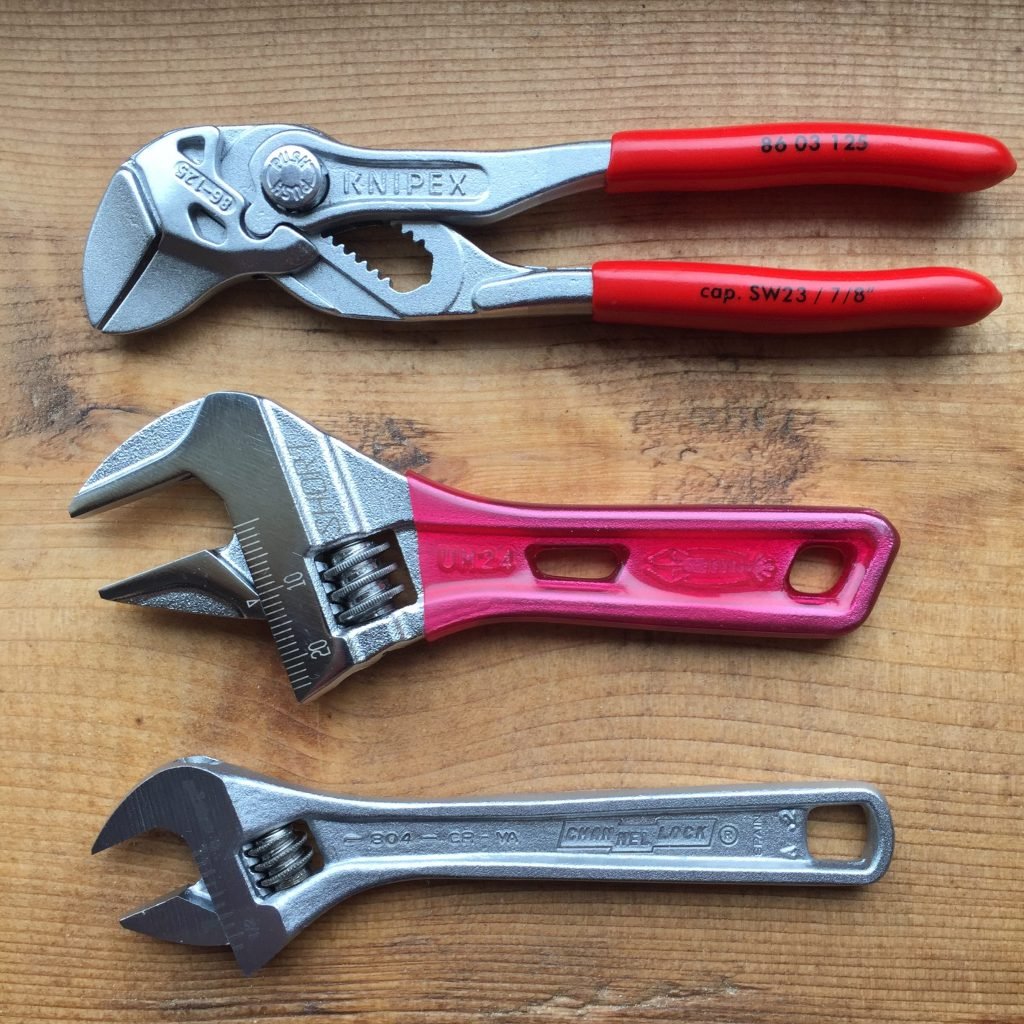
A wrench is designed for gripping and turning nuts and bolts, while pliers are used for gripping, bending, and cutting wires. Each tool serves specific functions, making them essential in various applications.
Tools are indispensable for DIY projects and professional tasks alike. Among these, wrenches and pliers stand out for their unique capabilities. Wrenches offer precise torque and grip for fasteners, ensuring secure connections.
Pliers, on the other hand, provide versatility, allowing users to manipulate materials with ease.
Whether you’re a seasoned mechanic or a casual DIY enthusiast, understanding the difference between these tools is crucial. This knowledge helps in selecting the right tool for the job, enhancing efficiency and safety.
Explore the various types and uses of wrenches and pliers to elevate your tool game.
Credit: www.homedepot.com
Introduction To Hand Tools
Hand tools are essential for various tasks. They help in repairs, maintenance, and DIY projects. Two common hand tools are wrenches and pliers. Each tool has a unique purpose and design. Understanding their differences can make your projects easier and more efficient.
Essential For Diy Projects
DIY projects often require the right tools. Using the right tool can save time and effort. Here are some key points about hand tools:
- Wrenches tighten or loosen nuts and bolts.
- Pliers grip, twist, and cut materials.
- Both tools are easy to use.
- They can be found in most toolkits.
Wrench And Pliers Basics
Wrenches and pliers serve different functions:
| Tool | Function | Types |
|---|---|---|
| Wrench | Tightens or loosens fasteners |
|
| Pliers | Grips and manipulates objects |
|
Both tools have unique designs. Choose the right tool for the job. This choice impacts your success in DIY projects.
Historical Evolution
The tools we use today have rich histories. Understanding their origins helps us appreciate them more. This section explores the historical evolution of two essential tools: the wrench and pliers.
Origins Of The Wrench
The wrench has a long and fascinating history. It dates back to ancient civilizations. Here are some key points about its origins:
- Ancient Greece: Early versions were used by craftsmen.
- Middle Ages: Blacksmiths created specialized tools for tightening.
- Industrial Revolution: Mass production led to the modern wrench.
The adjustable wrench emerged in the late 19th century. This innovation allowed users to grip various sizes of nuts and bolts. It became a staple in toolboxes worldwide.
Development Of Pliers
Pliers have evolved significantly over time. Their design has changed to meet various needs. Key points about the development of pliers include:
- Ancient Egypt: Early pliers were used for gripping and pulling.
- Roman Era: More refined versions appeared for jewelry making.
- 18th Century: Modern pliers began to take shape.
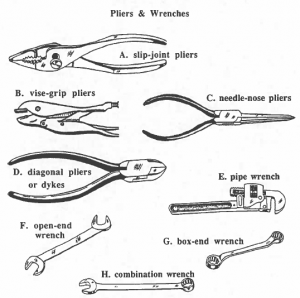
Today, pliers come in many types. Common types include:
- Needle-nose pliers
- Slip-joint pliers
- Cutter pliers
These tools are essential for various tasks, from electrical work to crafting.
Physical Characteristics
The physical characteristics of a wrench and pliers differ significantly. Understanding these differences helps in choosing the right tool for the job. Let’s explore their design, material, and size variations.
Design And Material
Wrenches and pliers have distinct designs and materials.
| Tool | Design | Material |
|---|---|---|
| Wrench | Flat, elongated shape with a gripping end | Steel, often with a chrome finish |
| Pliers | Handles with a pivot point for gripping | Steel, rubber grips for comfort |
Wrenches have a fixed shape. They fit specific nut and bolt sizes. Pliers have adjustable jaws. They can grip various shapes and sizes.
Size Variations
Size plays a crucial role in both tools.
- Wrench Sizes:
- Common sizes include 8mm, 10mm, and 12mm.
- Available in both metric and imperial measurements.
- Pliers Sizes:
- Standard sizes range from 6 inches to 12 inches.
- Available in different types like needle-nose and slip-joint.
Choosing the right size is essential for effective work. A proper fit ensures better grip and control.
Functional Differences
Understanding the functional differences between wrenches and pliers helps in selecting the right tool for the job. Each tool has specific applications that make it ideal for various tasks. Below, we explore how these tools differ in their primary functions.
Gripping And Turning With Pliers
Pliers are designed for gripping, twisting, and turning objects. They have jaws that can hold items securely.
- Types of Pliers:
- Needle-nose pliers
- Slip-joint pliers
- Cutter pliers
- Common Uses:
- Gripping small objects
- Bending wires
- Removing nails
Pliers offer a strong grip. They work well in tight spaces where a wrench cannot fit.
Applying Torque With Wrenches
Wrenches are designed to apply torque to fasteners like nuts and bolts. They come in various shapes and sizes.
| Type of Wrench | Function |
|---|---|
| Box-end wrench | Fits over the nut for torque |
| Open-end wrench | Grips the nut’s sides |
| Adjustable wrench | Adapts to different sizes |
Wrenches are perfect for loosening or tightening fasteners. They provide leverage and control.
Choosing between pliers and wrenches depends on the task. Use pliers for gripping and bending. Use wrenches for applying torque to fasteners.
Types And Uses
Understanding the different types of wrenches and pliers is essential. Each tool serves a unique purpose. Knowing their uses can help you choose the right tool for the job.
Adjustable And Socket Wrenches
Wrenches are vital in many repair tasks. Below are two common types of wrenches:
| Type | Description | Common Uses |
|---|---|---|
| Adjustable Wrench | Has a movable jaw for various sizes. |
|
| Socket Wrench | Uses interchangeable sockets for specific sizes. |
|
Needle-nose And Slip-joint Pliers
Pliers are essential for gripping and bending. Here are two popular types of pliers:
| Type | Description | Common Uses |
|---|---|---|
| Needle-nose Pliers | Long, thin jaws for precision work. |
|
| Slip-joint Pliers | Adjustable pivot point for different sizes. |
|
Selection Criteria
Choosing between a wrench and pliers depends on specific needs. Consider factors like the task, durability, and comfort. Each tool serves unique functions.
Task Requirements
Identify the job before selecting a tool. Here are common tasks:
- Turning nuts and bolts: Use a wrench.
- Gripping and twisting: Use pliers.
- Adjustable tasks: Adjustable wrenches or locking pliers work best.
Different tasks need different tools. Always match the tool to the job.
Durability And Comfort
Durability is vital for any tool. Consider these points:
| Tool | Durability | Comfort |
|---|---|---|
| Wrench | Usually made of steel. | Ergonomic designs available. |
| Pliers | Can be made of various metals. | Rubber grips enhance comfort. |
Choose tools that feel good in your hand. Comfort affects performance.
Maintenance And Care
Proper maintenance and care extend the life of your tools. Wrenches and pliers require different approaches for cleaning and storage. Understanding these differences helps keep your tools in top shape.
Cleaning Procedures
Regular cleaning prevents rust and wear on your tools. Follow these steps for effective cleaning:
- Wrenches:
- Wipe with a dry cloth after use.
- Soak in warm, soapy water if dirty.
- Scrub with a soft brush to remove grime.
- Rinse and dry thoroughly.
- Pliers:
- Clean with a damp cloth after each use.
- Remove rust with fine steel wool.
- Apply light oil to the pivot point.
- Store in a dry place to avoid moisture.
Storage Solutions
Proper storage keeps your tools organized and in good condition. Consider these tips:
| Tool Type | Storage Method | Benefits |
|---|---|---|
| Wrenches | Toolbox or wall-mounted rack | Easy access, organized space |
| Pliers | Drawer with dividers | Prevents damage, keeps pairs together |
Use these methods for efficient storage:
- Keep tools away from moisture.
- Label storage areas for easy identification.
- Regularly check for rust or damage.
Credit: mhcc.pressbooks.pub
Innovations And Future Trends
The world of hand tools is evolving rapidly. New technologies enhance the functionality and sustainability of tools like wrenches and pliers. Understanding these innovations can help users make informed choices.
Smart Tools
Smart tools are changing how we work. These tools connect to smartphones or tablets. They offer features like:
- Real-time data tracking
- Digital torque settings
- Automatic measurements
For example, smart wrenches can alert users when they apply too much force. This reduces the risk of damage. Smart pliers may include sensors for precision gripping. Users can expect better accuracy and safety.
Eco-friendly Materials
Eco-friendly materials are gaining popularity in tool manufacturing. Companies focus on sustainability. This shift includes:
- Recycled metals
- Bamboo handles
- Biodegradable plastics
Using recycled metals lowers the carbon footprint. Bamboo handles provide a natural grip. Biodegradable plastics reduce waste. These innovations benefit both users and the environment.
Investing in eco-friendly tools supports a sustainable future. Consumers are becoming more environmentally conscious. They prefer tools that align with their values.
Frequently Asked Questions
- What Is A Wrench Used For?
A wrench is primarily used for gripping and turning nuts and bolts, providing leverage for tightening or loosening.
- Can Pliers Replace A Wrench?
Pliers can grip objects but are not designed for the specific torque needed for nuts and bolts like wrenches.
- What Types Of Wrenches Exist?
Common types include adjustable, socket, and combination wrenches, each serving different fastening needs.
- Are Pliers Versatile Tools?
Yes, pliers can perform various functions, including gripping, bending, and cutting wires, making them highly versatile.
- Which Tool Is Better For Home Repairs?
Both tools are essential; wrenches excel at fastening, while pliers are great for gripping and manipulating materials. “`
Conclusion
Understanding the differences between wrenches and pliers is essential for any DIY enthusiast. Each tool serves a unique purpose. Wrenches excel at gripping and turning nuts and bolts.
Pliers are versatile for gripping, twisting, and cutting. Choosing the right tool can make your tasks easier and more efficient.
Always select based on your specific needs.