Blade kickback is a sudden, violent reaction that can launch wood toward you at high speed, causing severe injuries. This guide teaches proven prevention methods including proper blade selection, correct cutting techniques, and essential safety devices. Master these steps to work confidently and keep your fingers safe.
Key Takeaways
- Always use a riving knife or splitter: This critical safety device prevents the wood from pinching the blade and causing kickback.
- Maintain sharp, appropriate blades: Dull or wrong-type blades increase kickback risk significantly – inspect and replace regularly.
- Never remove safety guards: Bypassing blade guards or anti-kickback devices removes your primary protection.
- Position yourself correctly: Stand slightly to the side of the blade’s path, never directly behind the cut line.
- Use push sticks for small pieces: Keep hands away from the blade when cutting narrow or short stock.
- Understand wood grain direction: Cutting against the grain dramatically increases kickback potential.
- Never freehand cuts on table saws: Always use the fence or miter gauge for controlled, safe cuts.
How To Avoid Blade Kickback And Prevent Serious Injuries
That sudden whack followed by a piece of wood hurtling toward your face. That’s blade kickback – the most dangerous hazard in woodworking. It happens in milliseconds, turning a routine cut into a potential tragedy. But here’s the good news: kickback is almost always preventable. In this guide, you’ll learn exactly how to avoid blade kickback through proper technique, equipment setup, and smart habits. Whether you use a table saw, circular saw, or miter saw, these steps will keep you safe and your projects on track.
What Is Blade Kickback And Why Is It So Dangerous?
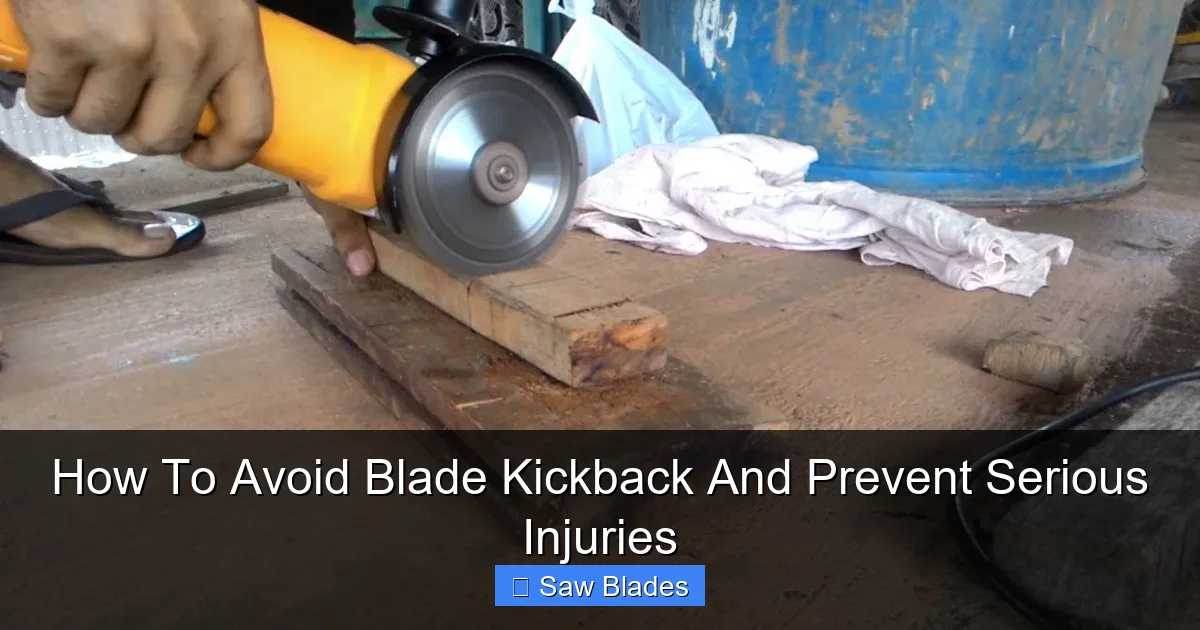
Blade kickback occurs when the saw blade catches the wood and violently throws it back toward the operator. It’s not just a minor annoyance – it’s a high-speed projectile that can cause:
Visual guide about How To Avoid Blade Kickback And Prevent Serious Injuries
Image source: i.ytimg.com
- Severe lacerations or amputations
- Eye injuries from flying debris
- Head and facial trauma
- Broken bones from the impact force
Kickback happens when wood pinches the blade, usually because:
- The wood binds between the blade and fence
- You cut warped or twisted lumber
- The blade contacts hidden nails or knots
- You make freehand cuts without guides
Understanding this mechanism is your first defense. Kickback isn’t random – it’s caused by specific, avoidable conditions. By controlling these factors, you eliminate the danger.
Essential Safety Gear: Your First Line Of Defense
Before touching any saw, ensure you have proper protection. This isn’t optional – it’s non-negotiable for safe woodworking.
Visual guide about How To Avoid Blade Kickback And Prevent Serious Injuries
Image source: resources.wisdominterface.com
Must-Have Safety Equipment
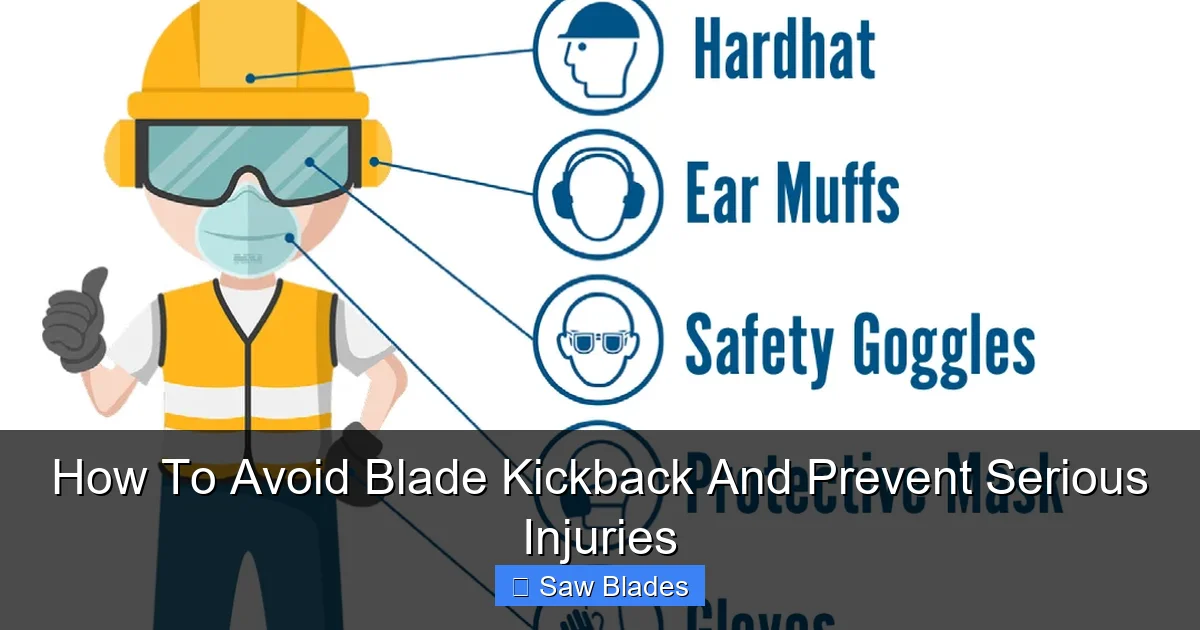
- Safety glasses: Always wear ANSI-rated eye protection. Flying wood chips cause 30% of workshop eye injuries.
Use earplugs or earmuffs. Saw noise exceeds 100 dB – enough to cause permanent hearing damage in minutes. - Push sticks: Keep hands 6+ inches from the blade. Store these near every saw.
- Dust mask/respirator: Inhaling sawdust causes long-term lung damage.
Never wear loose clothing, jewelry, or long sleeves that could catch in the blade. Tie back long hair securely.
Choosing And Maintaining The Right Blade
Your blade choice directly impacts kickback risk. Using the wrong blade turns routine cuts into hazards.
Visual guide about How To Avoid Blade Kickback And Prevent Serious Injuries
Image source: ostsinc.com
Blade Selection Guidelines
- Match blade to material: Use rip blades for cutting with wood grain, crosscut blades for against grain. General-purpose blades increase kickback risk.
- Check tooth count: Fewer teeth (24-40) for ripping; more teeth (60-80) for crosscutting. Wrong tooth count causes binding.
- Inspect for damage: Replace blades with chipped teeth, cracks, or warping immediately.
Critical Blade Maintenance
Dull blades are kickback magnets. They require excessive force, causing wood to bind. Follow this maintenance routine:
- Clean blades after every use with blade cleaner solution
- Check sharpness weekly – if wood fibers tear instead of cutting cleanly, sharpen or replace
- Rotate blades every 15-20 hours of use to distribute wear
- Store blades in protective covers to prevent damage
Learn how to identify blade issues early by reading our guide on spotting dull blades before they cause accidents.
Setting Up Your Saw For Safety
Proper setup prevents 80% of kickback incidents. Never skip these steps.
Table Saw Setup Checklist
- Install riving knife: This splitter rises and falls with the blade, preventing wood from pinching. Never remove it for any cut.
- Align fence precisely: Check parallelism with a dial indicator. Even 1/32″ misalignment causes binding.
- Set blade height correctly: Raise blade only 1/8″ above wood thickness. Higher blades increase kickback force.
- Secure anti-kickback pawls: These spring-loaded devices bite into wood if kickback occurs.
Circular Saw Safety Setup
- Always use the blade guard – never tape it up “for convenience”
- Check base plate is flat against wood before cutting
- Use a guide rail or straightedge for long cuts
- Ensure the blade spins freely without wobble
When changing blades, follow manufacturer instructions carefully. Our circular saw blade change guide shows safe procedures to avoid accidental startups.
Safe Cutting Techniques That Prevent Kickback
How you cut matters more than you think. These techniques eliminate common kickback triggers.
Positioning Your Body Correctly
- Stand slightly to the side of the blade’s path – never directly behind
- Keep both hands on the saw or workpiece at all times
- Maintain stable footing – don’t lean over the blade
- Keep your head clear of the kickback zone (directly behind the blade)
Controlling The Workpiece
- Use push sticks for narrow cuts: When cutting pieces under 6″ wide, always use a push stick to feed material through.
- Support long stock: Use roller stands or helpers to prevent sagging that causes binding.
- Feed at consistent speed: Don’t force the cut – let the blade do the work. Jerky movements cause kickback.
- Never cut freehand on table saws: Always use the fence or miter gauge for controlled cuts.
Special Situations: Warped Wood And Resawing
Twisted or cupped wood is a kickback magnet. Handle it safely:
- Plane wood flat before sawing if possible
- When resawing, use a dedicated resaw blade with deep gullets
- Make multiple shallow passes instead of one deep cut
- Always use a riving knife – it’s essential for resawing
What To Do If Kickback Happens
Even with precautions, kickback can occur. Knowing how to react minimizes injury:
- Don’t try to catch the wood: Let it fly – your reflexes are too slow.
- Release the trigger immediately: This stops the blade fastest.
- Move sideways: Don’t step backward – you might trip.
- Check for injuries: Stop working if you’re hurt. Seek medical attention for any cuts.
After any kickback incident, inspect your saw and technique. Was the fence misaligned? Was the wood warped? Learn from every close call.
Troubleshooting Common Kickback Causes
If you’re experiencing frequent kickback, diagnose the issue:
Problem: Kickback during rip cuts
- Likely cause: Fence not parallel to blade
- Solution: Realign fence using dial indicator
Problem: Kickback on narrow cuts
- Likely cause: Wood pinching blade due to lack of support
- Solution: Always use push sticks and featherboards
Problem: Kickback with new blades
- Likely cause: Blade not seated properly on arbor
- Solution: Reinstall blade following proper blade change procedures
Problem: Kickback during crosscuts
- Likely cause: Miter gauge not flush against wood
- Solution: Adjust miter gauge or use crosscut sled
When in doubt, stop and reassess. Never continue cutting if kickback occurs repeatedly.
Building Safe Woodworking Habits
Preventing kickback isn’t just about tools – it’s about mindset. Develop these habits:
- Plan every cut: Visualize the cut before turning on the saw
- Inspect wood first: Check for nails, knots, and warping
- Keep your workspace clean: Clutter causes distractions and tripping hazards
- Take breaks: Fatigue leads to mistakes – stop every 45 minutes
- Never rush: Hurry is the enemy of safe woodworking
Remember: No project is worth losing fingers over. When safety feels inconvenient, think about the alternative.
Conclusion: Safety Is Your Most Important Tool
Blade kickback doesn’t have to be an inevitable part of woodworking. By understanding its causes, using proper equipment, and practicing safe techniques, you eliminate this danger. Start every session by checking your riving knife, blade condition, and body position. Keep push sticks within reach and never compromise on safety gear.
These habits might feel tedious at first, but they’ll soon become second nature. The confidence you gain from knowing you’re protected transforms your woodworking experience. You’ll work more efficiently, produce better results, and most importantly – go home with all your fingers intact.
Share these techniques with fellow woodworkers. The more people who understand kickback prevention, the fewer workshop injuries we’ll see. Now grab your saw – safely – and create something amazing.
🎥 Related Video: Table Saw Safety to Avoid Kickback #tablesaw #kickback #tablesawkickback #safety #woodworking
📺 Statedwoods Co