
If you are looking for the best circular saws for cutting straight lines, the biggest difference usually comes down to guides, blade visibility, and how stable the saw feels in your hand. A good saw should help you stay on line without fighting you, whether you are trimming plywood, cutting laminate, or making quick jobsite cuts. Below, I picked a mix of compact saws, full-size models, and one helpful guide rail so you can find the right fit for cleaner, straighter cuts.
Quick Product Comparison
Our Top 9 Best Circular Saws For Cutting Straight Lines Reviews – Expert Tested & Recommended
1. Enventor Mini Circular Saw
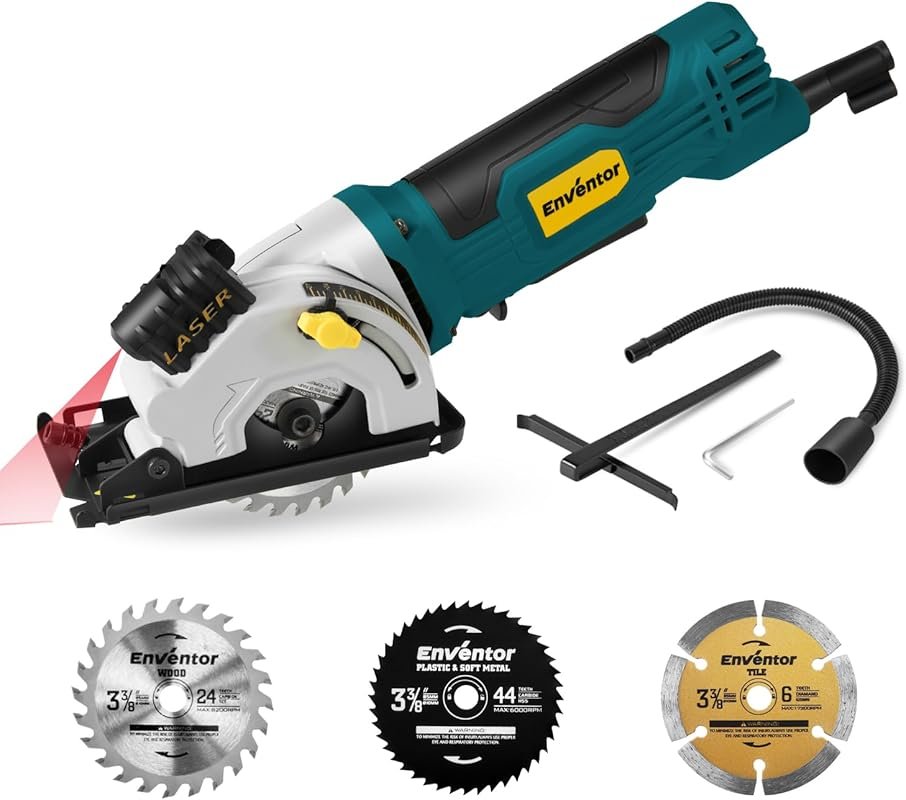
This compact saw stands out if you want a simple way to follow a straight line. The laser guide, left-side blade layout, and 4.8A motor make it easy to see the cut and stay on track.
Key Features That Stand Out
- ✓ 4.8A motor with 4000 RPM for quick, clean cuts
- ✓ Laser guide helps line up straighter cuts
- ✓ Left-sided blade design gives better cut visibility
- ✓ Cuts wood, metal, tile, and aluminum plastics
- ✓ Adjustable cutting depth up to 1-1/16 inches
Why We Recommend It
If straight cuts matter more than raw size, this is an easy saw to like. It feels made for small jobs where control matters, such as trim, sheet goods, and light renovation work.
The compact body also helps reduce wobble, which is a big deal when you are trying to keep a line clean. For many people, that extra visibility is what makes the cut feel easier.
Best For
Best for DIY users who want a compact saw with a laser guide for straighter cuts. It is also a good pick for mixed-material projects around the house.
Pros and Cons
Pros:
- Good blade visibility for straight-line cutting
- Laser guide helps with quick alignment
- Compact size is easier to control
- Works on several common materials
Cons:
- Not as powerful as full-size circular saws
- Smaller blade limits cut depth
- Best for light to medium jobs only
Customer Reviews
Customer Review: “I used this for plywood and trim cuts, and the laser really helped me stay on the line. It is small, but it felt steady enough for home projects.”
Customer Review: “The saw is easy to handle and the cut visibility is better than I expected. I would not use it for heavy framing, but for straight cuts on smaller jobs it works well.”
2. Seesii Mini Circular Saw
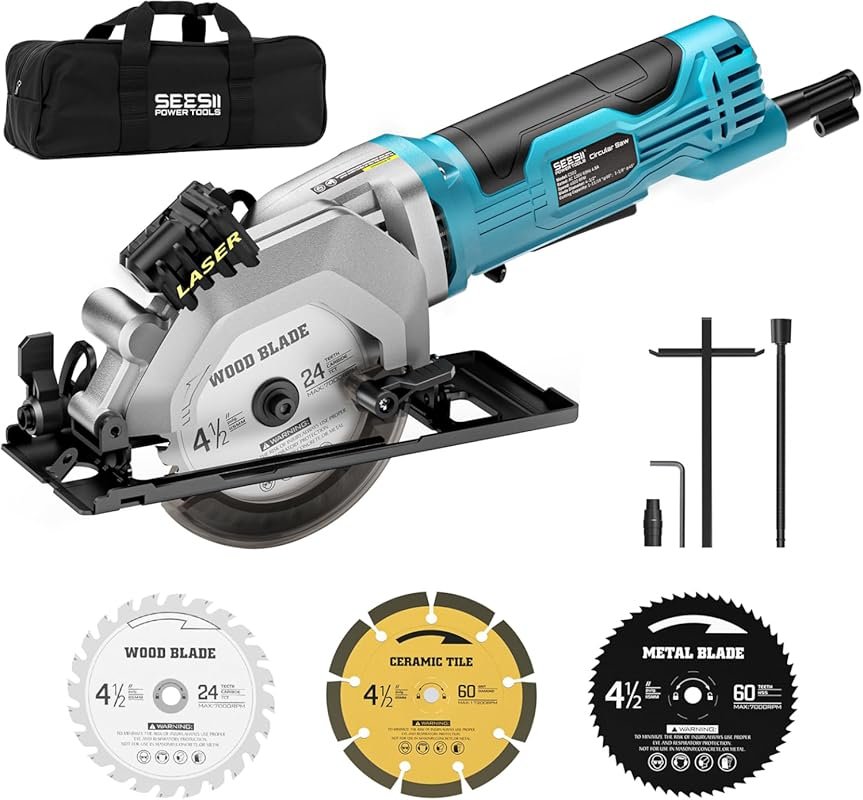
The Seesii mini circular saw is a strong choice when you want straighter cuts without a big, heavy tool. Its laser guide and rip guide work together to make alignment feel more natural.
It also comes with multiple blades, which makes it more flexible than many compact saws. That makes it handy if your projects bounce between wood, plastic, and light masonry tasks.
Key Features That Stand Out
- ✓ 4.8A motor with up to 4000 RPM
- ✓ Laser guide plus rip guide for better line control
- ✓ Includes 3 blades for different materials
- ✓ Compact format is easier to guide in tight spaces
- ✓ Good choice for cleaner straight cuts on smaller jobs
Why We Recommend It
This saw feels especially useful if you want a little more help keeping your cut straight. The rip guide can make a real difference when you are cutting sheet material and do not want to drift.
It is a practical pick for people who want a compact saw that still feels versatile. In everyday use, that balance is often more valuable than a bigger motor.
Best For
Best for users who want a compact saw with more cutting control. It is a smart fit for home projects and light remodeling.
Pros and Cons
Pros:
- Rip guide helps keep cuts straighter
- Multiple blades add flexibility
- Compact and easy to move around
- Good speed for a small saw
Cons:
- Not ideal for deep cuts
- Smaller body may feel less stable on large sheets
- Best results depend on careful setup
Customer Reviews
Customer Review: “I liked how the guide helped me keep my plywood cuts straight. It is light, and the saw did not feel hard to control.”
Customer Review: “The different blades are useful, and the laser makes setup easier. It is a good little saw for quick jobs around the house.”
3. GALAX PRO Circular Saw
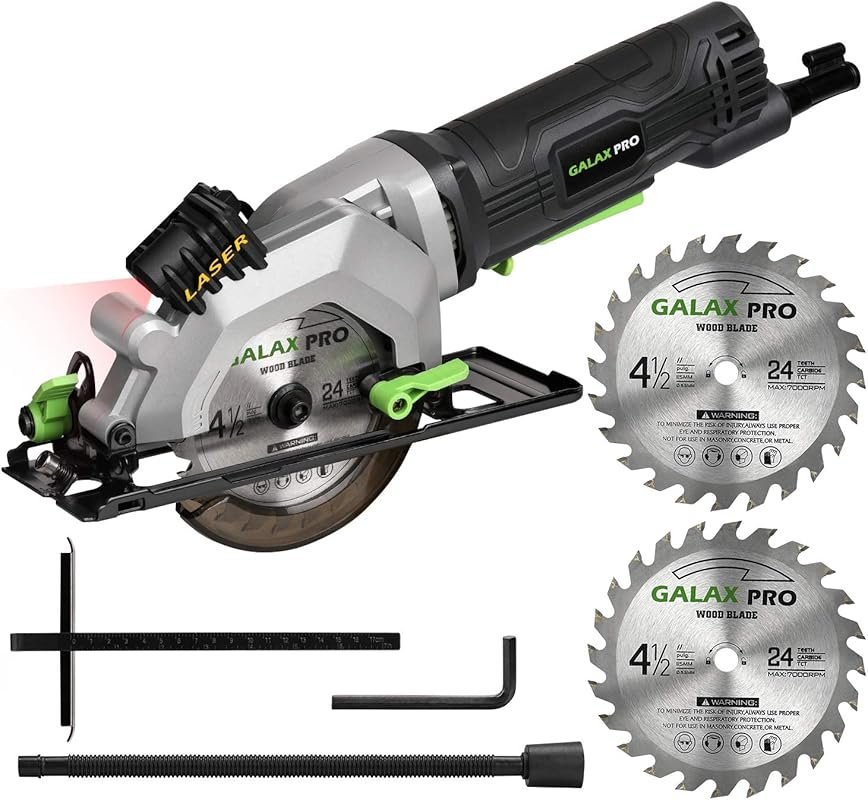
If you want a budget-friendly saw for straight cuts, this one is easy to consider. It has a laser beam guide, a scale ruler, and a compact frame that helps with control.
It is not the most powerful saw in the group, but it covers the basics well. For simple home cuts, that can be enough.
Key Features That Stand Out
- ✓ 4-amp motor with 3500 RPM
- ✓ Laser guide helps with straight-line cutting
- ✓ Scale ruler supports better alignment
- ✓ Adjustable cutting depth up to 1-11/16 inches
- ✓ Dust extraction system helps keep the line visible
Why We Recommend It
This is the kind of saw I would point to if someone wants the lowest-cost option that still has straight-cut help built in. The laser and ruler are simple, but they do make setup easier.
It is a practical choice for occasional use, especially if you are cutting laminate, PVC, or light wood projects. Just keep expectations realistic and let the saw do the work at a steady pace.
Best For
Best for shoppers who want a lower-cost circular saw for straight cuts. It is a good fit for light DIY jobs and starter tool kits.
Pros and Cons
Pros:
- Affordable entry point
- Laser guide helps with line tracking
- Compact and easy to store
- Useful for light household cuts
Cons:
- Less power than premium saws
- Not ideal for heavy-duty use
- May need extra care for very clean cuts
Customer Reviews
Customer Review: “For the price, I was surprised by how well it kept to the line. It is a simple saw, but it worked fine for my trim project.”
Customer Review: “The laser guide is helpful, and the saw feels good for quick cuts. I would buy it again for basic DIY use.”
4. Enventor Mini Circular Saw
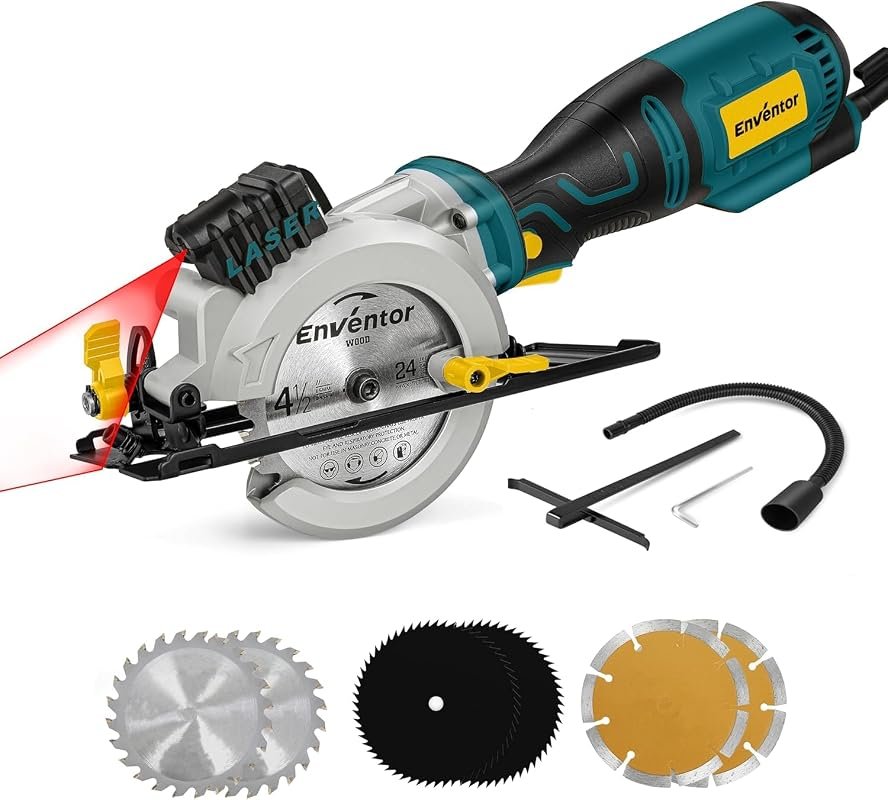
This Enventor model leans a little more powerful than the smaller compact saws. That extra punch can help when you want a cleaner cut through thicker material.
The laser guide and left-blade layout still keep the focus on control. If you are trying to cut straight lines with less guesswork, that matters a lot.
Key Features That Stand Out
- ✓ 5.8A motor with 3500 RPM
- ✓ Laser guide for more accurate straight cuts
- ✓ Adjustable cutting angle from 0 to 45 degrees
- ✓ Left-blade design improves cut visibility
- ✓ Includes 6 blades for different materials
Why We Recommend It
This is a nice step up if the smaller saws feel underpowered. It gives you more cutting confidence while still staying compact enough for home use.
The added blade set makes it more flexible too. That is helpful if you do not want to buy extra accessories right away.
Best For
Best for DIY users who want more power in a compact saw. It is a good match for straighter cuts on a wider range of materials.
Pros and Cons
Pros:
- More power than many mini saws
- Laser guide supports straight cuts
- Good visibility from the left-blade layout
- Includes several blades in the box
Cons:
- Still smaller than a full-size saw
- Can feel a bit busy for first-time users
- Best for light to medium work
Customer Reviews
Customer Review: “The extra power made a difference on thicker boards. I also liked how easy it was to see the cut line.”
Customer Review: “It feels like a solid little saw for the money. The laser and blade selection make it more useful than I expected.”
5. XtremepowerUS Concrete Saw
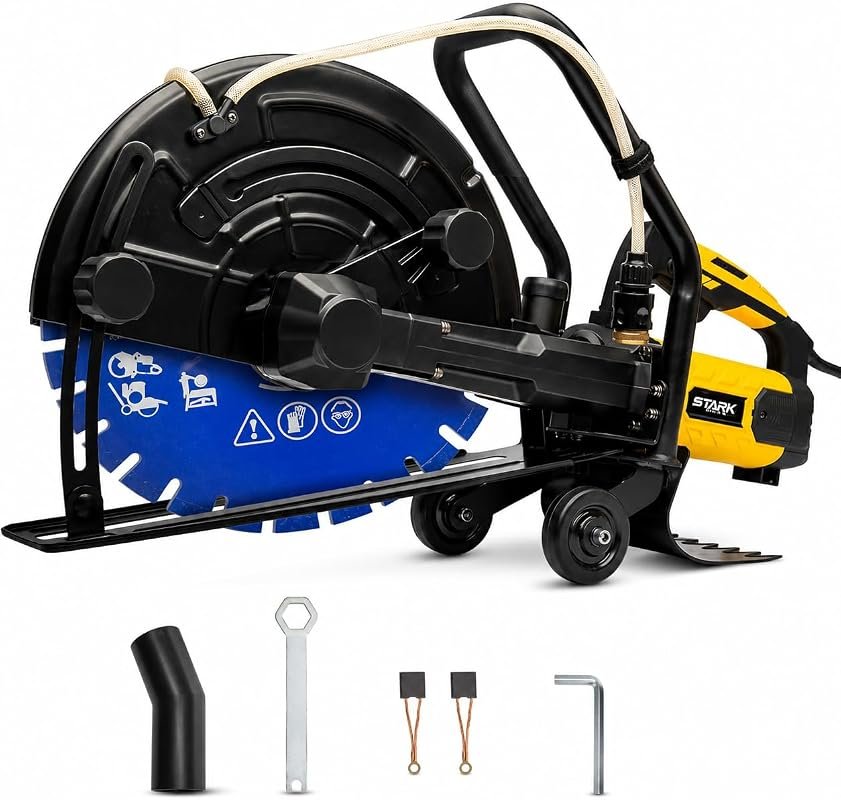
This is the outlier in the list because it is built for concrete and harder materials. If your straight cuts involve masonry, this saw is in a different league from the smaller DIY models.
It is not the first pick for plywood or trim, but it is worth knowing about if your project needs serious cutting power. The water line attachment also helps keep dust under control.
Key Features That Stand Out
- ✓ 3200W motor for demanding cutting jobs
- ✓ 16-inch blade size for deeper cuts
- ✓ Wet/dry cutting support
- ✓ Water line attachment helps with dust control
- ✓ Built for concrete and heavy materials
Why We Recommend It
If your straight cuts are in concrete or similar materials, this saw makes sense. It has the power and setup you need for that kind of work.
For general woodworking, though, it is too specialized. That is why it sits lower in the roundup even though it is strong at its own job.
Best For
Best for contractors or advanced users cutting concrete, masonry, or other hard materials. It is not meant for everyday wood projects.
Pros and Cons
Pros:
- Very powerful motor
- Good for wet or dry concrete cutting
- Water feed helps reduce dust
- Built for tough jobsite use
Cons:
- Too specialized for most home users
- Heavier and less convenient than compact saws
- Overkill for simple straight wood cuts
Customer Reviews
Customer Review: “I used it for concrete work and it had plenty of power. The water line made the job cleaner than I expected.”
Customer Review: “This is not a general-purpose saw, but it does what it is built to do. The cut stayed steady once I got it set up.”
6. Circular Saw Guide Rail
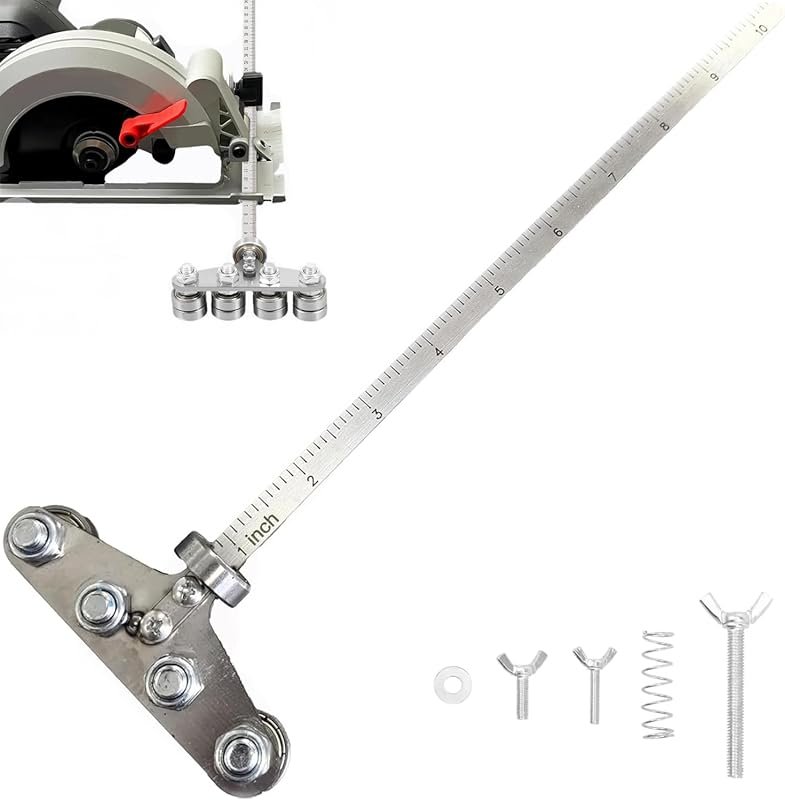
Sometimes the best way to cut a straighter line is not a new saw at all. A guide rail can make a huge difference if your current saw already has enough power.
This one is a simple add-on, but it can improve consistency fast. If your freehand cuts wander, a guide rail is often the easiest fix.
Key Features That Stand Out
- ✓ 24-inch adjustable rip cut guide
- ✓ Stainless steel build for better durability
- ✓ Helps improve cut accuracy
- ✓ Simple setup for repeat cuts
- ✓ Useful for safety and control
Why We Recommend It
For straight cuts, this is one of the most practical tools you can buy. It does not replace a saw, but it can make a basic saw feel much more precise.
If you already own a circular saw and want better results, this is a smart upgrade. It is especially useful for sheet goods and repeated rip cuts.
Best For
Best for anyone who already has a saw and wants straighter cuts with less effort. It is ideal for plywood, boards, and repeat layout work.
Pros and Cons
Pros:
- Improves straight-line accuracy
- Easy to use with many saws
- Affordable way to boost precision
- Helpful for repeat cuts
Cons:
- Not a saw by itself
- Requires setup and alignment
- Less useful for quick freehand cuts
Customer Reviews
Customer Review: “This guide rail made my cuts much straighter right away. It is simple, but it works.”
Customer Review: “I use it with my existing saw, and it helps a lot on long cuts. It saves me from guessing.”
7. Skil 5080-01 Circular Saw
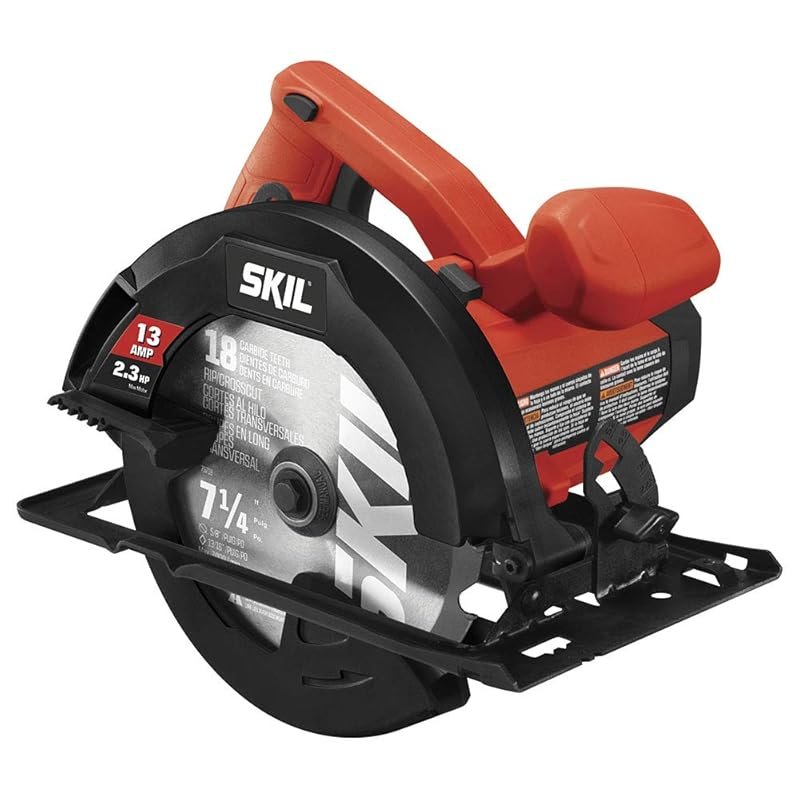
The Skil 5080-01 is a classic full-size circular saw that gives you more blade size and more power than the mini models. That extra size can help when you want longer, steadier cuts.
It is a good middle-ground option for users who want a familiar saw shape without spending too much. The lighter weight also helps when you are guiding the saw over longer boards.
Key Features That Stand Out
- ✓ 13-amp motor for stronger cutting power
- ✓ 7-1/4 inch blade for deeper cuts
- ✓ 15% lighter than the previous SKIL model
- ✓ 51-degree bevel with positive stops
- ✓ Good balance of power and control
Why We Recommend It
This is a dependable saw if you want a full-size tool for straight cuts on framing lumber or sheet goods. The larger blade and stronger motor give it a more traditional circular saw feel.
It may not have a laser guide, but it makes up for that with solid handling and a lighter frame. For many users, that is enough to keep the cut line steady.
Best For
Best for DIYers who want a full-size saw with good power and manageable weight. It is a solid all-around choice for straight cuts.
Pros and Cons
Pros:
- Strong motor for a wide range of cuts
- Lighter than many full-size saws
- Good for longer straight cuts
- Useful bevel range
Cons:
- No built-in laser guide
- Less compact than mini saws
- Can feel less beginner-friendly at first
Customer Reviews
Customer Review: “This saw has enough power for the jobs I needed, and it felt easy to guide in a straight line once I got used to it.”
Customer Review: “I like the lighter weight. It made longer cuts less tiring, which was a big help on my project.”
8. DEWALT DWE575SB Circular Saw
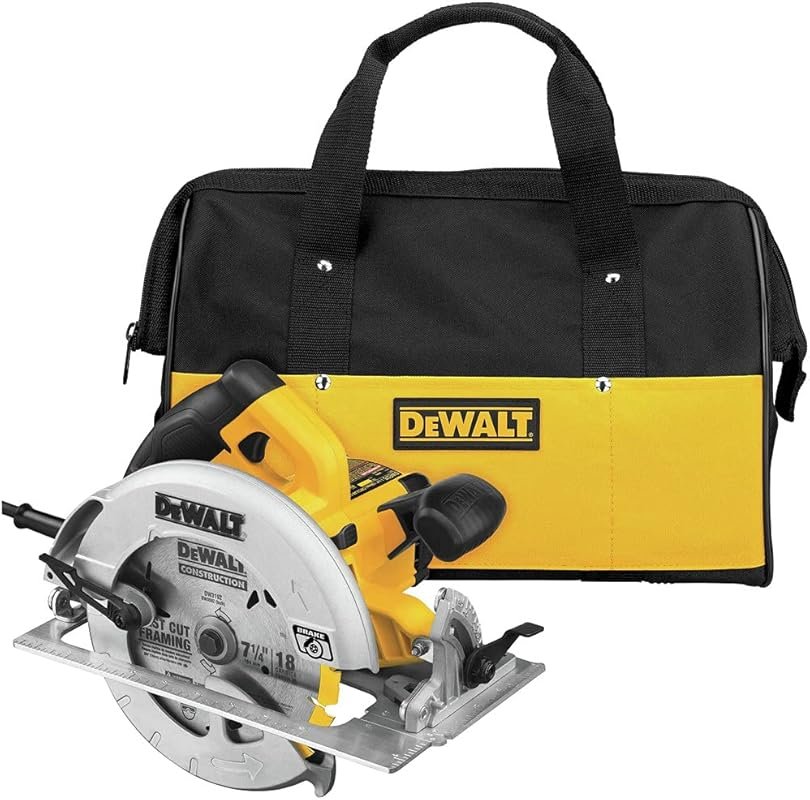
The DEWALT DWE575SB is the kind of saw many people reach for when they want a reliable full-size tool. It is light for its class, and that makes straight cuts easier to manage over time.
The electric brake and strong motor add confidence, especially on longer cuts. If you want a saw that feels steady and familiar, this one is hard to ignore.
Key Features That Stand Out
- ✓ 15-amp motor for tough cutting tasks
- ✓ One of the lightest saws in its class
- ✓ Electric brake stops the blade quickly
- ✓ Corded power for steady performance
- ✓ Good choice for jobsite and home use
Why We Recommend It
This saw is a strong pick if you want a proven full-size model for straight cuts. The lighter weight helps reduce fatigue, which can improve your line control as the work goes on.
It is not flashy, but it is dependable. That is often what matters most when you are trying to keep a cut clean and straight.
Best For
Best for users who want a dependable full-size saw with strong power and easy handling. It works well for framing, decking, and sheet cuts.
Pros and Cons
Pros:
- Strong 15-amp motor
- Lightweight for a full-size saw
- Electric brake adds safety and control
- Trusted design for many project types
Cons:
- No laser or built-in straight-cut aid
- More expensive than budget options
- Can be more saw than a casual user needs
Customer Reviews
Customer Review: “This saw feels balanced and easy to control. I used it for long cuts and it stayed on line well.”
Customer Review: “The brake is a nice feature, and the saw has plenty of power. It is light enough that I did not get tired quickly.”
9. Metabo HPT C10FCG2 Miter Saw
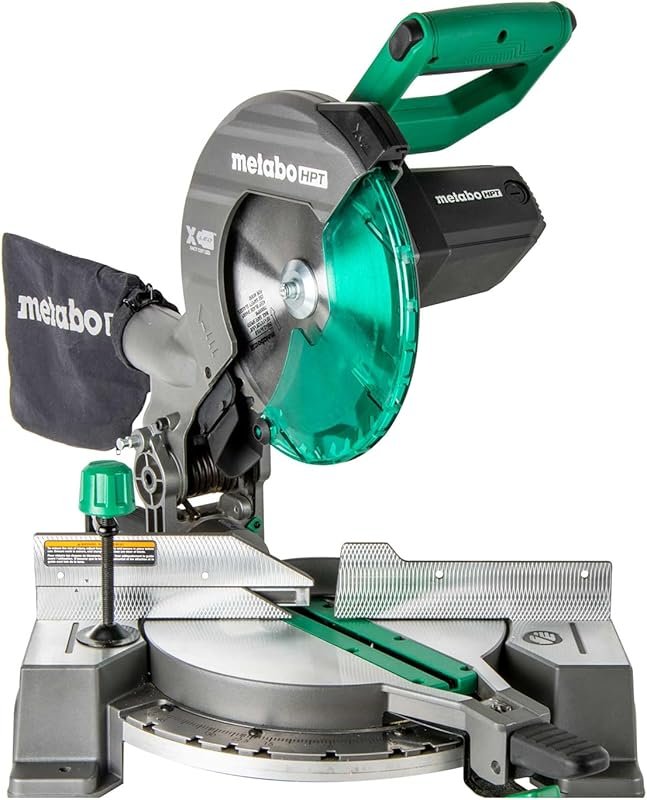
Strictly speaking, this is a miter saw, not a circular saw, but it deserves a spot because it is excellent for straight, repeatable cuts. If your goal is clean crosscuts and accurate angles, this tool makes life easier.
The Xact Cut Shadow Line helps with precision, and that is exactly what many people want when they are chasing perfect lines. For trim and finish work, it can be a better choice than a handheld saw.
Key Features That Stand Out
- ✓ 15-amp motor for strong cutting performance
- ✓ Xact Cut Shadow Line for accurate alignment
- ✓ 10-inch blade for versatile cuts
- ✓ Lightweight and portable at 24 lbs
- ✓ Good for repeatable, straight cuts
Why We Recommend It
If your main goal is straight cuts with less effort, a miter saw can be a smarter buy than a standard circular saw. This model makes it easier to line up the cut and keep it consistent.
It is especially useful for trim, molding, and finish work. In those cases, precision matters more than portability, and this saw delivers that well.
Best For
Best for users who want the cleanest straight cuts possible on trim, boards, and finish materials. It is ideal for shop use or a fixed workspace.
Pros and Cons
Pros:
- Very accurate for repeat cuts
- Shadow line helps with alignment
- Portable for a miter saw
- Great for trim and finish work
Cons:
- Not a circular saw
- Less useful for long rip cuts
- Needs more workspace than a handheld saw
Customer Reviews
Customer Review: “The shadow line makes it much easier to line up my cuts. I use it for trim and it has been very accurate.”
Customer Review: “It is light enough to move around, but still feels solid. The cuts came out clean and consistent.”
Complete Buying Guide for Best Circular Saws For Cutting Straight Lines
Essential Factors We Consider
When you are shopping for the best circular saws for cutting straight lines, the first thing to look for is visibility. A left-blade design, laser guide, or shadow line can make it much easier to see where the blade is going. After that, pay attention to motor power, blade size, and how steady the saw feels in your hands.
It also helps to think about the kind of work you do most. A compact mini saw is great for light DIY jobs, while a full-size saw gives you more reach and power. If your cuts need to be very exact, a guide rail or miter saw may be the better path.
Budget Planning
If you only need a saw for occasional home projects, a budget model can be enough. The key is to spend on features that help you stay straight, like a laser guide or a rip guide, instead of paying for power you may never use.
For more frequent use, it can be worth stepping up to a stronger saw. Better handling, less vibration, and clearer cut visibility often save time and reduce mistakes, which matters more than a low price tag on paper.
Final Thoughts
The best saw for straight cuts is not always the biggest one. In many cases, the right guide system and a saw that feels easy to control will do more for accuracy than raw power alone.
Choose the tool that matches your project, your space, and your comfort level. That is the simplest way to get cleaner cuts and less frustration.
Frequently Asked Questions
Q: What makes a circular saw better for cutting straight lines?
A: The best circular saws for cutting straight lines usually have good blade visibility, a laser guide, a rip guide, or a shadow line. A stable body and low vibration also help keep the cut from drifting.
Q: Is a mini circular saw good for straight cuts?
A: Yes, a mini circular saw can be very good for straight cuts on smaller projects. It is easier to control, but it usually has less cut depth than a full-size saw.
Q: Do I need a laser guide?
A: You do not need one, but it helps a lot if you are still learning. A laser guide can make setup faster and give you more confidence before you start cutting.
Q: Should I buy a guide rail instead of a new saw?
A: If your current saw already works well, a guide rail can be the smarter buy. It can improve straight cuts without replacing the tool you already own.
Q: What is better for very straight cuts, a circular saw or miter saw?
A: For repeatable straight cuts and trim work, a miter saw is often better. For long rip cuts and sheet goods, a circular saw with a guide is usually the better choice.
At the end of the day, the best circular saws for cutting straight lines are the ones that make your job feel easier, not harder. If you want a compact saw with a laser, a full-size workhorse, or a simple guide rail to improve accuracy, there is a solid option above for you. Check the current prices on Amazon and pick the one that fits your next project best.
Related: Circular Vs Table Saw
