
Whether a hobbyist is tinkering with a vintage wristwatch or a professional technician is performing critical laptop repair, the quality of the tools in their kit dictates the outcome of the job. Attempting to disassemble modern electronics with subpar hardware often leads to stripped screw heads and irreparable damage to delicate components. This is why investing in the best precision screwdrivers is not merely a luxury—it is a fundamental necessity for anyone handling sensitive equipment.
Why Quality Matters
A high-quality set offers more than just a variety of tips; it provides the structural integrity required to apply torque without deforming the fastener. Industry standards for manufacturing tolerances are often dictated by organizations like ANSI (American National Standards Institute), ensuring that tools meet safety and performance benchmarks.
The best precision screwdrivers offer several distinct advantages:
- Precision Fit: Reduced “cam-out” (slipping) that protects both the screw and the device chassis.
- Material Longevity: Resists wear and oxidation, even after repeated use on hardened metals.
- Ergonomic Efficiency: Enables sustained use during complex projects without hand fatigue.
The Foundation of Every Workbench
When building an efficient workstation, having the right tools for the job is paramount. For those who frequently switch between different hardware configurations, mastering your repair workflow becomes much easier with a reliable, organized set.
Research regarding ergonomics in tool design highlights how handle geometry directly impacts a user’s ability to generate consistent pressure and rotation, which is critical when dealing with microscopic fasteners. By utilizing the best precision screwdrivers, technicians can ensure:
- Increased Productivity: Spending less time fighting stripped screws and more time completing the repair.
- Safety: Properly fitted tools prevent accidental slips that can damage electronic boards or delicate glass screens.
- Versatility: The ability to tackle everything from smartphone internals to precision eyeglass hinges with a single, well-curated kit.
Ultimately, the goal of any high-end toolkit is to provide reliability. By selecting the best precision screwdrivers, users safeguard their equipment, save valuable time, and ensure that every turn of the screw is secure and accurate.
Key Takeaways
Selecting the best precision screwdrivers requires a balance of material durability, ergonomic comfort, and tip accuracy. Whether a professional technician or a hobbyist, understanding these core principles ensures that repairs remain efficient and damage-free. When looking to expand a general toolkit, enthusiasts can also refer to guides on top-rated socket screwdrivers to complement their collection.
Here are the essential points to keep in mind:
- Material Matters: Opt for S2 steel bits whenever possible, as they offer superior hardness and resistance to wear compared to standard chrome vanadium.
- The Power of Magnetic Tips: Using magnetic tips is crucial for retaining tiny screws in recessed areas, preventing loss during delicate assembly processes.
- Ergonomics are Essential: Look for handles featuring swivel caps, which allow for rapid, controlled rotation while keeping the palm stationary to reduce hand fatigue.
- Protecting Sensitive Hardware: In professional environments, consider ESD-safe tools to mitigate the risk of electrostatic discharge, which can permanently damage sensitive internal circuitry according to industry safety standards.
- Preventing Stripping: Always ensure the bit size perfectly matches the fastener; an improper fit is the primary cause of stripped screw heads.
- Versatility is King: A well-rounded kit should include specialized drivers like Torx and Pentalobe to handle modern consumer electronics.
Proper care is just as important as the tool itself. Users should maintain their gear by keeping bits dry and clean to prevent oxidation. For more in-depth mechanical considerations and material science regarding tool steel, one can consult resources like The National Institute of Standards and Technology (NIST) for technical specifications on hardware engineering. By prioritizing quality, users ensure that their best precision screwdrivers remain a reliable fixture in their workspace for years to come.
Understanding Bit Materials and Durability
When assembling a collection of the best precision screwdrivers, the material composition of the bits is the single most important factor in determining longevity. A high-quality tool must withstand significant torque without deforming, chipping, or stripping, especially when dealing with the delicate hardware found in modern electronics. Understanding the metallurgy behind these tools helps technicians and hobbyists avoid the frustration of rounded-off tips and damaged screw heads, as detailed in this comprehensive guide to master your repairs.
S2 Steel vs. Chrome Vanadium
In the professional tool market, two materials dominate the landscape: S2 tool steel and Chrome Vanadium (Cr-V). Choosing the right one often depends on the specific intensity of the work being performed.
- S2 Steel: Known for its incredible hardness and shock resistance. It is the gold standard for high-end precision tool sets because it resists wear even under high-torque applications. It is less likely to deform under pressure compared to cheaper alloys.
- Chrome Vanadium: This is a more common alloy that offers excellent rust resistance and general durability. While it is strong enough for light electronics repair, it may show signs of wear faster than S2 when subjected to heavy daily use.
Engineers often refer to material science research regarding metal fatigue to explain why S2 steel is preferred for small-diameter tips. While Cr-V is perfectly adequate for standard home repairs, S2 is the superior choice for professionals who demand tools that maintain their structural integrity over thousands of cycles.
The Importance of Magnetic Tips
The utility of the best precision screwdrivers is significantly enhanced by the presence of magnetized tips. In the realm of intricate hardware, losing a tiny screw inside a device chassis can lead to catastrophic damage or a complete failure of the repair.
Benefits of high-quality magnetic bits:
- Retention: They allow the user to easily maneuver screws into deep, recessed holes where fingers cannot reach.
- Stability: Magnetism keeps the screw centered on the tip, reducing the risk of “cam-out”—a phenomenon where the screwdriver slips out of the screw head, often damaging both the tool and the fastener.
- Efficiency: It significantly speeds up the assembly process, allowing for one-handed operation.
According to standards set by the National Institute of Standards and Technology, the precision of a tool is only as good as its ability to interface correctly with the fastener. A well-magnetized tip ensures that the bit remains seated firmly, preventing the rotational slippage that causes the most common types of hardware failure. Always check that the magnetism is strong enough to hold the screw securely, but not so intense that it interferes with sensitive magnetic components inside specific high-end electronics.
Ergonomics and Handle Design
When performing delicate repairs, the difference between success and frustration often lies in the tool’s physical design. The best precision screwdrivers are engineered with ergonomics in mind, allowing the user to maintain steady control during intricate tasks. A well-designed handle reduces muscle fatigue during long projects, ensuring that the technician can work with high precision without compromising stability. For those looking to master their mechanical repairs, understanding ergonomic tool selection is essential for long-term comfort and efficiency. According to research on musculoskeletal health, choosing tools that align with natural hand posture is a critical step in preventing repetitive strain injuries.
Swivel Caps for Rapid Rotation
The most prominent feature of professional-grade drivers is the presence of a ball-bearing swivel cap. This design allows the handle to rotate freely while the user keeps the cap pressed firmly against their palm.
- Continuous Downward Pressure: The palm remains stationary, keeping the bit seated firmly in the screw head.
- Rapid Torque Control: The fingers spin the handle barrel independently, allowing for lightning-fast insertion or removal.
- Reduced Friction: High-quality swivel caps use internal bearings to ensure silent and smooth movement, which is vital when working on sensitive electronics.
Non-Slip Grip Textures
A handle is only as good as the user’s ability to hold it securely. Even the best precision screwdrivers can become difficult to handle if the surface is too smooth, especially if the user’s hands are prone to sweating during high-stakes repairs.
- Knurled Metal Designs: Many precision sets feature aluminum handles with deep-cut knurling. This provides a high-friction surface that prevents the tool from slipping during a turn.
- Rubberized Over-molds: Some manufacturers utilize high-quality TPR (thermoplastic rubber) to add a cushioned, grippy layer. This is particularly useful for applying extra torque to slightly stuck fasteners.
- Anatomical Contours: Some handles are shaped with specific indentations to match the natural curvature of the fingertips, providing a tactical feel that improves manual dexterity—a crucial skill for working on tiny components.
For additional context on tool safety standards, one might refer to the National Institute of Standards and Technology (NIST) for technical specifications regarding measurement and standard tool tolerances.
Essential Bit Types for Electronics
When navigating the intricate internals of modern devices, having the best precision screwdrivers is only half the battle; one must also possess the correct bit profile to avoid stripping delicate fasteners. Electronics manufacturing often utilizes proprietary or highly specialized drive types to prevent unauthorized tampering or to optimize assembly line efficiency. Mastering these bit profiles ensures that technicians can work on everything from smartphones to high-end motherboards without damaging components. For those looking to broaden their toolkit beyond micro-fasteners, learning about versatile drivers for larger hardware is a natural next step in professional tool maintenance.
Torx and Pentalobe Explained
Many tech enthusiasts find themselves confused by star-shaped patterns, but understanding these is vital for anyone using the best precision screwdrivers.
- Torx (Star Bits): Ranging from T1 to T20 in precision sets, Torx bits are common in hard drives, gaming consoles, and laptops. They provide superior torque transfer compared to Phillips bits, reducing the risk of cam-out.
- Pentalobe: These five-pointed star bits are the industry standard for Apple devices. They are designed specifically for consumer security and aesthetics.
- Security Torx: These feature a hollow center to accommodate a small pin in the middle of the screw, effectively preventing the use of standard Torx bits.
According to technical standards provided by the National Institute of Standards and Technology (NIST), proper bit-to-screw engagement is the primary factor in preventing structural failure of fastener heads during high-torque applications.
Phillips and Slotted Standards
Despite the rise of specialized bits, the traditional Phillips and Slotted drivers remain staples in any technician’s workbench. However, standard hardware-store sizes are often too large for modern PCB work.
- Phillips (PH): Look for sizes PH000, PH00, and PH0. The PH000 is often the minimum requirement for modern smartphone repairs.
- Slotted (Flathead): While less common in modern electronics, they are still used in older computer enclosures and certain potentiometer adjustments.
- Precision Standards: The best precision screwdrivers must feature hardened, precision-machined tips that adhere to strict International Organization for Standardization (ISO) tolerance guidelines to ensure a snug fit that prevents fastener stripping—a common issue when using inferior, mass-produced tools.
Pro-Tip: Always verify the screw head depth before applying pressure; using a bit that is too “shallow” is the leading cause of damaging the thin, soft metal screws found in modern electronics.
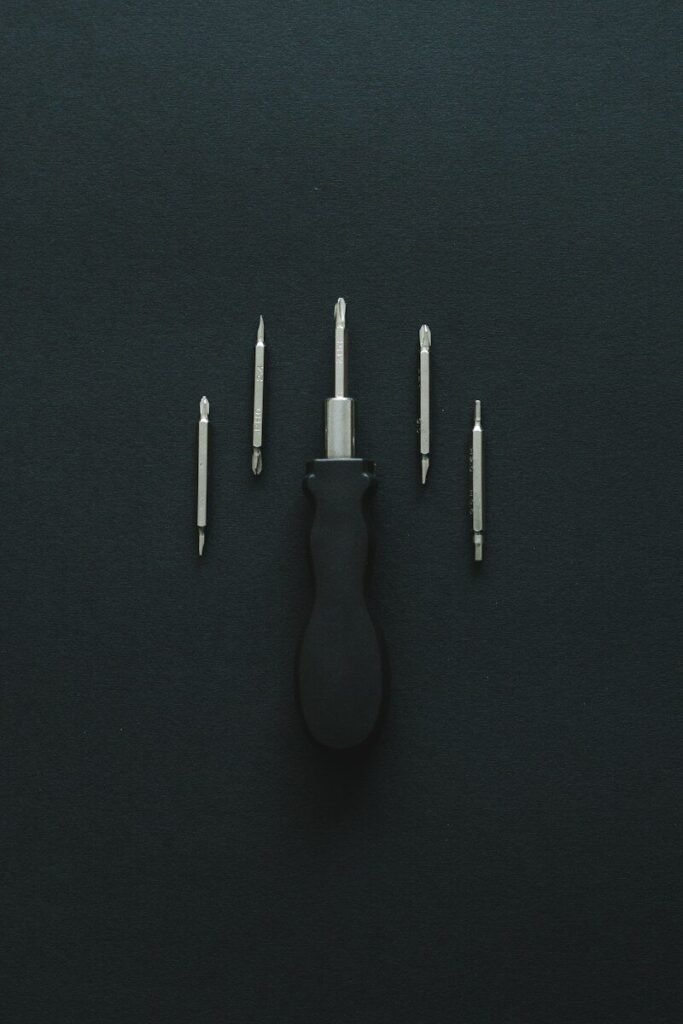
Best Precision Screwdriver Sets for Laptop Repair
When performing maintenance on modern electronics, having the best precision screwdrivers is essential to prevent stripping delicate fasteners. Laptop repair requires a specialized toolkit capable of handling everything from internal SSD mounts to intricate battery housings. Professionals often rely on high-quality manual driver tools to ensure they maintain tactile feedback, which is crucial when dealing with sensitive motherboard components. Industry experts often consult ISO standards to ensure their equipment meets the necessary mechanical requirements for small-fastener assembly.
Portable Kits for Field Work
For technicians who move between jobs, portability and organization are paramount. A compact set allows for quick adjustments without the need to carry heavy gear.
- Slim Profile: Look for kits that utilize a modular bit system rather than fixed-length drivers to save space in a technician’s bag.
- Security: Ensure the case features a secure locking mechanism; nothing is more frustrating than a kit spilling hundreds of micro-bits inside a laptop bag.
- Essential Bit Range: A versatile kit should include a wide variety of Torx, Pentalobe, and Phillips bits specifically sized for common brands like Apple, Dell, and HP.
- Durability: Choose cases made from impact-resistant materials to protect the bits from harsh environmental conditions.
Benchtop Sets for Workshop Use
When working in a dedicated repair environment, stability and accessibility take precedence over weight. The best precision screwdrivers for workshop use are often integrated into comprehensive professional-grade stations.
- Rotary Stands: These stations allow the user to rotate the bit selection quickly, significantly reducing downtime during complex teardowns.
- Weight and Balance: Benchtop drivers often feature heavier, more ergonomic handles that provide superior torque control, helping to prevent the common issue of stripped screw heads.
- Organization: Utilizing a tray-based system prevents the loss of tiny screws—a critical practice according to NIST guidelines regarding precision measurements and hardware integrity.
- Longevity: These sets frequently offer replaceable bits made from hardened steel, ensuring they withstand years of daily use in a high-volume repair shop.
Repairing Eyeglasses and Jewelry
When tackling delicate tasks like adjusting a loose hinge on designer spectacles or tightening a clasp on a heirloom necklace, having the best precision screwdrivers is non-negotiable. Because these items are often crafted from soft metals or intricate components, using standard household tools can result in irreparable stripping or scratching. A dedicated set designed for miniaturized work ensures that every turn is precise, controlled, and safe for high-value items. For those also managing heavier mechanical tasks, it is helpful to understand the best screwdrivers for sockets to maintain a well-rounded workshop.
Finding Ultra-Small Micro Sizes
Eyeglass screws are significantly smaller than those found in standard consumer electronics. To manage these, a technician must rely on specialized equipment:
- Size Range: Look for sets that include sizes ranging from 0.8mm to 1.5mm.
- Metric vs. Imperial: Most optical gear uses metric sizing; ensuring the kit covers these specific dimensions is critical.
- Material Integrity: According to industrial standards for fastener safety, using hardened steel bits prevents the tip from snapping off inside the tiny screw head.
- Dedicated Storage: These micro-bits are easily lost, so selecting a kit with a secure, labeled organizational tray is essential.
Preventing Damage to Delicate Frames
Working with luxury eyewear or intricate jewelry requires a soft touch to avoid marring the finish or damaging the surrounding material. Professionals minimize risk by following these best practices:
- Tip Selection: Always choose a bit that fills the screw head completely to prevent “cam-out,” which occurs when the tool slips and scratches the frame.
- ESD-Safe Handling: When working with modern smart glasses, utilizing ESD-safe tools—which are specifically engineered to dissipate electrostatic discharge—prevents damage to internal circuits.
- Controlled Torque: Apply minimal downward pressure. For detailed guidance on material handling, consult resources like the Materials Science and Engineering archives to understand how different alloys react to mechanical stress.
- Avoid Over-Tightening: When replacing tiny screws, “snug” is sufficient. Over-tightening often leads to stripped threads, which are notoriously difficult to repair in aluminum or plastic frames.
By maintaining a set of the best precision screwdrivers, users ensure their jewelry and optical repairs are performed with the level of care these expensive items deserve.

Electric vs. Manual Drivers
Choosing between powered and manual tools is a critical decision for anyone building a collection of the best precision screwdrivers. While electric drivers offer unmatched speed for repetitive tasks, manual drivers provide the tactile feedback necessary for delicate, high-stakes repairs. Understanding the nuance between these two types ensures users avoid common pitfalls, such as damaging sensitive electronics through over-torquing. For a deeper look at how to pair tools with specific fasteners, refer to this guide on mastering repairs with the right socket tools.
When to Use a Powered Driver
A powered, or electric, precision driver is designed primarily for efficiency. When a technician is faced with a project involving dozens of screws, such as opening a large server chassis or a gaming console, a motorized tool significantly reduces fatigue.
- Speed and Efficiency: They allow for rapid engagement and disengagement, saving valuable time during complex teardowns.
- Uniform Torque Settings: Many high-end electric models offer adjustable torque limits, which help prevent the user from accidentally stripping threads in soft plastic or aluminum housings.
- Battery Convenience: Modern lithium-ion models are often USB-rechargeable, making them portable enough for field work.
However, users must remain cautious. According to research on ergonomics and repetitive stress, choosing the wrong tool grip can lead to discomfort, so always ensure the electric driver has a balanced, lightweight design.
The Benefits of Manual Control
Even when owning the best precision screwdrivers powered by electricity, every professional keeps a set of high-quality manual drivers on their workbench. Manual tools are the gold standard for projects where “feel” is more important than speed.
- Tactile Sensitivity: Manual handles allow the user to sense exactly when a screw seats properly. This prevents the “over-tightening” that frequently ruins fragile laptop motherboards.
- Superior Control: They are essential for loosening stubborn or slightly stripped screws where erratic motorized movement might cause more damage.
- No Power Dependency: Manual tools never run out of batteries, ensuring they are always ready for an emergency repair.
- Precision Geometry: Manual sets often feature a wider variety of specialized tips for niche hobbyist work, such as vintage watch repair, which requires extreme attention to detail as outlined in standards for precision instrument manufacturing.
By balancing both options, a technician ensures they have the right equipment for any scenario, effectively blending the speed of a powered motor with the finesse of a manual grip.
Storage Solutions and Organization
Keeping your tools organized is just as important as the quality of the tools themselves. When dealing with tiny components, losing a single bit can grind a project to a halt. Proper storage ensures that your best precision screwdrivers remain protected from moisture, debris, and physical damage, ultimately extending their lifespan. Effective tool organization not only speeds up your workflow but also prevents the frustration of searching for a missing Phillips or Torx head during a delicate repair.
Hard Case vs. Roll-Up Pouches
Choosing the right storage medium depends heavily on how the tools are used.
- Hard Cases: These are generally preferred for professional technicians. They often feature foam inserts with dedicated slots for each bit. This layout makes it immediately obvious if a piece is missing. High-end sets often utilize magnetic arrays to keep bits from tumbling out if the case is dropped. According to industry standards for tool safety, keeping workspaces clear and organized is essential for preventing accidents.
- Roll-Up Pouches: These are ideal for those who prioritize portability. They are lightweight and fold down into a compact profile, making them excellent for field work or emergency repair kits. However, they lack the rigid protection of a hard case, meaning they are better suited for durable handle sets rather than fragile, high-precision bits.
If you are looking to expand your utility beyond tiny electronics, you might consider how these storage methods compare to specialized drivers for larger mechanical tasks.
Maintaining Your Tool Collection
Even the best precision screwdrivers require routine maintenance to perform at their peak. Dust and oil buildup can lead to corrosion, especially on high-carbon steel bits.
Follow these best practices to ensure longevity:
- Clean After Use: Wipe down bits with a clean, dry microfiber cloth to remove residual oils or metal shavings.
- Use Desiccants: Keep a small silica gel packet inside your hard case to absorb moisture, which is a leading cause of rust in tool kits.
- Inspect for Wear: Regularly check the tips for signs of rounding or deformation. Using a damaged bit can strip a screw head, turning a simple fix into a complex extraction process.
- Avoid Excessive Torque: Store your tools in an environment with stable temperatures; extreme swings can affect the temper of high-quality steel, a concept explored in metallurgy research papers regarding tool durability.
By treating your collection with care and utilizing a systematic approach to tool organization, you ensure that your gear is always ready for the next project.
Top Brands for Precision Tools
Selecting the right equipment is crucial for delicate technical work. Whether a professional technician or a weekend DIY enthusiast, investing in the best precision screwdrivers ensures longevity and performance. High-quality manufacturers distinguish themselves through superior metallurgy, tight manufacturing tolerances, and ergonomic engineering that prevents screw damage during intensive repairs. For those interested in expanding their specialized equipment, referencing expert guides on precision tools can provide additional context on selecting the correct hardware for various tasks.
Professional Industry Standards
Industry professionals rely on tools that adhere to strict manufacturing standards to ensure consistency across repetitive tasks. These brands are often found in high-tech laboratories and industrial repair facilities where precision is non-negotiable.
- Wiha Tools: Widely recognized as a global leader, they are known for their ESD-safe handles and premium-grade steel. Their tools are often benchmarked in scientific research on human-factors engineering to ensure they minimize hand fatigue.
- Wera Tools: Famous for their “Kraftform” handle design, they offer an unparalleled balance of grip and torque. Their sets are considered some of the best precision screwdrivers for those who prioritize advanced ergonomics.
- PB Swiss Tools: Often cited as the gold standard for metallurgy, their tools feature an incredibly precise fit that significantly reduces the risk of cam-out, which is essential when dealing with soft, tiny fasteners.
Budget-Friendly Consumer Favorites
For the average hobbyist or homeowner, premium industrial tools may be overkill. Several brands provide exceptional value by delivering reliable performance at a fraction of the cost.
- iFixit: They have revolutionized the market by providing comprehensive kits tailored specifically for modern electronics. Their tools are frequently featured in digital literacy and repair documentation efforts, making them a go-to for laptop and smartphone enthusiasts.
- Xiaomi (Mijia): Known for sleek, minimalist design, their aluminum-cased sets are perfect for those who want a portable solution that doesn’t sacrifice build quality.
- Kingsdun: This brand offers a vast array of bits, making them a versatile choice for users who encounter a wide variety of non-standard screw heads in their daily repair work.
When choosing between these options, consider the frequency of use. While professional-grade tools offer better material hardness for heavy, daily operation, consumer-focused kits often provide a more complete selection of specialized bits for the price.
Frequently Asked Questions
Navigating the world of micro-tooling can be complex, but understanding the basics ensures that users select the best precision screwdrivers for their specific repair needs. From protecting delicate electronics to ensuring proper torque, addressing these common inquiries will help both hobbyists and professionals maintain their equipment with confidence.
How do I choose the right size screwdriver?
Selecting the correct size is crucial to avoid damaging hardware. Users should follow these guidelines:
- Visual Inspection: Match the tip profile exactly to the screw head. If there is lateral play, the tip is too small.
- Standardization: Refer to industry sizing charts, such as those provided by NIST (National Institute of Standards and Technology), to ensure compatibility with international fastener standards.
- Testing: Always perform a dry fit. If the driver rotates without engaging the threads, it is likely the wrong size and could lead to stripping.
Can I use precision screwdrivers for heavy-duty tasks?
It is strongly recommended to avoid using precision tools for heavy-duty work.
- Torque Limits: These tools are designed for fine electronics, not high-torque applications. Using them on automotive or structural bolts will cause the thin shafts to snap or the tips to deform.
- Proper Selection: For mechanical repairs requiring high force, one should consult a guide on the best screwdrivers for sockets to ensure the tool can handle the load.
- Scope: Reserve the best precision screwdrivers strictly for small-scale, low-torque tasks like motherboard mounts or eyeglass hinges.
What is an ESD-safe screwdriver?
An ESD-safe screwdriver is a tool specifically engineered to prevent Electrostatic Discharge.
- Material Composition: These tools feature specialized handles made from dissipative materials that bleed off static electricity safely.
- Component Protection: This is vital when working on sensitive computer components, as even a small spark can permanently damage a CPU or RAM module.
- Standards: Users should look for tools that comply with ANSI/ESD S20.20, which outlines the rigorous requirements for protecting electrical parts from static damage.
How do I prevent stripping small screws?
Stripping a screw is a common frustration, but it can be avoided with these techniques:
- Vertical Pressure: Apply consistent downward force to keep the tip seated firmly in the screw head.
- Correct Speed: Use manual control to ensure the bit does not “cam out” of the fastener.
- Right Tools: Using the best precision screwdrivers ensures the fit is tight, which significantly reduces the risk of slippage.
- Cleaning: Ensure the screw head is free of debris or thread-locking compound before attempting to remove it.
Conclusion: Choosing the Best Precision Screwdrivers for Your Kit
Selecting the best precision screwdrivers is an investment in both the longevity of delicate electronics and the quality of one’s craftsmanship. Whether a user is performing routine maintenance on a laptop or conducting intricate jewelry repairs, having the right tool ensures that small components remain intact and functional. For those who frequently switch between different fasteners, learning how to master your repairs with the right socket-compatible tools can significantly streamline a workflow.
Final Selection Strategy
To finalize the perfect collection, users should prioritize the following criteria:
- Material Integrity: Always opt for S2 steel bits to prevent rounding or stripping, as established in industry-standard metallurgy studies.
- Ergonomic Efficiency: A swivel cap is non-negotiable for rapid rotation, reducing hand fatigue during long sessions.
- Specialization vs. Versatility: Benchtop kits provide comprehensive coverage for workshops, while portable sets are essential for field repairs.
- Safety Compliance: For those working with sensitive circuitry, prioritizing ESD-safe tools is essential to prevent electrostatic discharge from damaging internal components.
Recommended Steps for Acquisition
- Assess Your Frequency: Casual DIYers may find success with a modular kit, while professionals should invest in high-torque, manual drivers from reputable hardware manufacturers.
- Verify Tip Compatibility: Ensure the set includes a wide range of Torx and Pentalobe sizes to avoid future project bottlenecks.
- Review Manufacturer Guidelines: Always check official technical documentation regarding recommended torque specifications to ensure proper use of hardware.
By carefully evaluating these features, anyone can curate a collection of the best precision screwdrivers that will withstand years of rigorous use. Remember, the quality of the finish is directly tied to the precision of the tools used; choosing wisely now prevents costly component replacements down the road.
