

Whether a hobbyist is repairing a vintage wristwatch or a technician is dismantling a smartphone, the difference between success and frustration often boils down to the tools on the workbench. Investing in the best quality precision screwdrivers is not merely a matter of luxury; it is a fundamental requirement for maintaining the structural integrity of delicate fasteners. High-end tools are engineered to provide a perfect fit, preventing the common issue of stripped screw heads that occurs when using inferior, poorly machined hardware.
Why Precision Matters for Modern Electronics
Modern devices are increasingly compact, featuring minuscule screws that are easily damaged by imprecise tools. Experts often refer to the importance of ergonomic tool design to reduce hand fatigue and improve control during intricate tasks. When selecting the right gear, consider these essential factors:
- Tolerance Levels: Superior tools feature tight manufacturing tolerances, ensuring the bit sits snugly in the screw head.
- Material Longevity: Premium alloys resist deformation under pressure, unlike cheaper alternatives that wear down after only a few uses.
- Reduced Damage: High-quality drivers protect internal components from slipping, which is critical when dealing with sensitive PCBs.
Essential Tool Standards
For those who prioritize performance, it is helpful to look for professional tool standards that align with international engineering specifications. Reliable sources like NIST provide context on the importance of standardized measurements in technical work.
Furthermore, for tasks requiring specific force, professionals often look toward specialized torque application tools to ensure components are neither overtightened nor loose. Ultimately, possessing the best quality precision screwdrivers empowers users to perform complex repairs with confidence, knowing their equipment will not fail them during a critical procedure. Understanding how to calibrate manual effort is a vital skill, as documented in various engineering research resources, which emphasize that consistent force application is the hallmark of a skilled technician.
Key Takeaways
Selecting the best quality precision screwdrivers is essential for any technician or DIY enthusiast dealing with intricate hardware. Whether you are performing delicate electronics repair or routine maintenance, the right tools ensure longevity for both the equipment and the fasteners involved.
- Material Integrity Matters: Opting for S2 steel over standard chrome vanadium ensures greater durability and resistance to wear, especially when dealing with high-torque applications.
- Ergonomics Enhance Accuracy: A professional-grade driver should feature a swivel cap and an anti-slip grip to provide the steady hand necessary for precision torque control without causing hand fatigue.
- Compatibility is Critical: Always verify that a set includes specialized bits like Pentalobe or Tri-point, which are often required for modern consumer electronics. According to NIST guidelines on fastener standards, utilizing properly calibrated equipment is fundamental to maintaining structural integrity in micro-assemblies.
- Invest in Longevity: While budget-friendly options exist, the best quality precision screwdrivers often feature hardened tips that prevent the common stripping of screws, a frequent frustration during repairs.
- Proper Maintenance: Regularly cleaning bits and storing them in an organized, moisture-resistant container helps prevent oxidation and ensures that every piece remains in factory-spec condition. For more information on materials engineering and tool wear, one can refer to studies on industrial material fatigue to understand why metal composition dictates tool lifespan.
By focusing on these core elements, users can build a reliable kit that remains effective for years, effectively bridging the gap between hobbyist repairs and professional-grade standards.
Top Materials to Look For in Precision Tools
When shopping for the best quality precision screwdrivers, the material composition of the bits is the most critical factor in determining longevity and performance. Unlike standard hardware, precision tools require high-strength alloys that can withstand significant torque without deforming or damaging delicate fasteners. Choosing the right steel ensures that the driver maintains its structural integrity during repeated use, which is a standard emphasized in metallurgical engineering practices.
Chrome Vanadium vs. S2 Steel
Professionals often debate the merits of various steel alloys. Understanding the difference between these two industry standards is vital for selecting the best quality precision screwdrivers:
- Chrome Vanadium (Cr-V):
- Commonly found in mid-tier sets.
- Offers excellent rust resistance and general toughness.
- Ideal for hobbyists who need a reliable tool that won’t break the bank.
- S2 Shock-Resisting Steel:
- The “gold standard” for professional-grade electronics repair.
- Features a higher hardness rating (HRC) than Cr-V.
- Resists “cam-out” and tip deformation, even when applying force to stubborn screws in industrial torque applications.
For heavy-duty use, S2 steel is significantly more durable, preventing the premature wear that often leads to stripped screw heads.
Why Magnetic Tips Matter
A high-quality bit is only as effective as its ability to hold onto tiny, easily lost screws. The integration of magnetic tips is a hallmark of professional-grade sets.
- Increased Productivity: Magnetic tips allow users to retrieve screws from tight spaces without the frustration of dropped parts.
- Stable Handling: When aligning a screw in a recessed hole, magnetism provides the stability needed for perfect engagement.
- Material Compatibility: It is important to note that while most bits are carbon-based, the magnetism is typically applied through a specialized heat-treatment or coating process.
According to research on fastener mechanics, the precision of the tip-to-fastener interface is directly correlated to the lifespan of the hardware itself. By selecting magnetic, high-hardness alloy drivers, users protect both their tools and their expensive electronic devices from unnecessary damage.

Understanding Bit Types and Compatibility
Choosing the best quality precision screwdrivers requires more than just picking up a random set off the shelf; it necessitates a deep understanding of the diverse fasteners found in modern technology. Because manufacturing standards vary significantly between industries, selecting the correct bit profile is critical to preventing damage to delicate screw heads. When utilizing a top-rated professional driver model, the user must ensure the bit perfectly matches the fastener to maintain proper torque application and structural integrity.
Common Sizes for Electronics
Most consumer electronics, from smartphones to laptops, rely on standardized fastener heads that require specific, small-scale drivers. The National Institute of Standards and Technology (NIST) emphasizes the importance of standardized measurements in manufacturing, which allows toolmakers to calibrate bits for consistent performance.
When building a kit of the best quality precision screwdrivers, one should look for these essential sizes:
- Phillips (#000, #00, #0): The industry standard for internal components.
- Flathead (1.0mm to 2.5mm): Frequently used for trim panels and older hardware.
- Torx (T3 to T8): Essential for securing logic boards and chassis components.
- Tri-Point (Y000): Increasingly common in modern mobile device internal assemblies.
Specialized Bits for Gaming Consoles
Gaming consoles represent a unique challenge because manufacturers often use proprietary fasteners to discourage unauthorized repair. Accessing the internal fan or heat sink of a console typically requires specialized bits that differ from standard hardware store fare.
Key considerations for console maintenance include:
- Security Torx (TR-series): These bits feature a hollow center to bypass the security pin found in console screw heads.
- Gamebit (3.8mm and 4.5mm): Specifically designed for vintage cartridges and console casings, these are indispensable for collectors.
- Extended Reach: Console housings are often deep; therefore, the best quality precision screwdrivers must feature long, slender shanks to reach recessed screws without marring the plastic shell.
For more technical data on material hardness standards, one may refer to the ASTM International guidelines, which categorize the mechanical properties of fasteners to ensure durability during the repair process. Using the incorrect bit on these hardened security screws often leads to stripping, rendering the device nearly impossible to service.
Ergonomics and Handle Design
When working with delicate components, the best quality precision screwdrivers are defined as much by their handle design as by the steel of their bits. Because these tools are used for intricate tasks requiring extreme stability, the interface between the user’s hand and the tool must be seamless. Poorly designed handles lead to hand fatigue and a higher risk of stripping tiny, mission-critical fasteners, a common concern explored in technical hand tool ergonomics research. Selecting a set that prioritizes ergonomics ensures that the user maintains complete control during long repair sessions.
Swivel Caps for Better Control
The hallmark of a high-end precision tool is the free-spinning swivel cap located at the end of the handle. This design choice is critical for several reasons:
- Steady Pressure: It allows the user to apply downward force with the palm of their hand while the handle rotates independently underneath.
- Reduced Friction: By eliminating the need to move the palm, it prevents the skin from bunching or tearing during repetitive twisting motions.
- Enhanced Precision: With the palm locked in place, the fingers are free to perform the delicate turning motion, which is vital when working with pneumatic torque driver models or manual micro-screwdrivers.
This mechanism ensures that the tip of the best quality precision screwdrivers remains firmly seated in the screw head, preventing “cam-out” or slippage.
Grip Materials and Comfort
The handle material determines the level of tactile feedback and torque control a technician can achieve. Manufacturers of professional-grade tools avoid slick, hard plastics in favor of materials that enhance friction and comfort:
- Dual-Density Polymers: Many top-tier brands utilize a hard inner core for durability, surrounded by a softer, rubberized over-mold. This provides a cushioned grip that dampens vibration and prevents slipping when the hands become sweaty.
- Textured Surfaces: Handles featuring knurled metal or molded ribs increase the surface area contact, allowing for fine-tuned rotation without the tool shifting in the grip.
- Weight Distribution: A well-balanced handle shifts the center of gravity toward the base, which assists in keeping the driver perfectly vertical during operation.
For those curious about the biomechanics of repetitive motion, the Occupational Safety and Health Administration (OSHA) provides insights into how tool design can mitigate musculoskeletal strain over extended work periods. By investing in tools that prioritize these ergonomic factors, users significantly reduce the likelihood of damaging sensitive electronics.
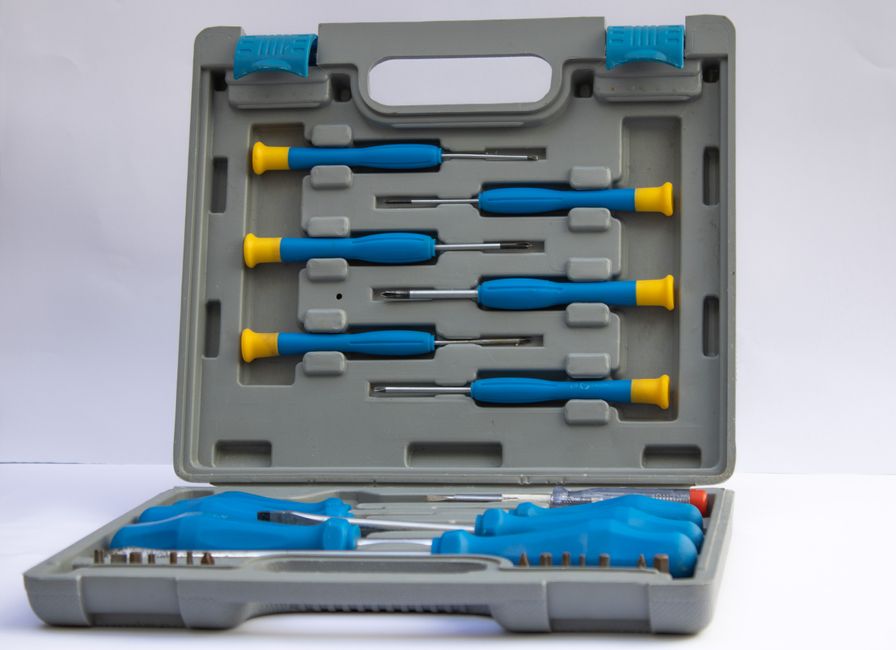
Precision Screwdrivers for Watch Repair
Watchmaking is an art form that demands nothing less than absolute perfection. When dealing with intricate movements and microscopic components, utilizing the best quality precision screwdrivers is not merely a preference; it is an operational necessity. High-end horological tools are designed to prevent damage to delicate gear trains and balance springs, ensuring that every screw is seated with the exact torque required for longevity. Professionals often consult resources like the Horological Society of New York to understand the technical standards required for modern and vintage timepiece maintenance.
Maintaining Extreme Accuracy
To ensure the integrity of a watch movement, a technician must rely on tools that offer a perfect fit. Even a fraction of a millimeter of play can lead to stripped screw heads, which are notoriously difficult to replace on luxury timepieces.
- Tolerance Levels: Top-tier drivers are machined to tolerances within microns, ensuring the bit fills the screw slot completely.
- Material Hardness: Hardened steel or specialized alloys are used to prevent the bit from deforming under pressure, which is a common issue with low-end sets.
- Anti-Magnetic Properties: Because many modern watches are resistant to magnetic fields, it is vital to use anti-magnetic tools to avoid magnetizing sensitive balance springs or hairsprings, which can cause erratic timekeeping.
Maintaining high standards in tool selection directly correlates to the value of the watch being serviced, a principle supported by research into material science and precision engineering.
The Importance of Calibrated Drivers
Accuracy in watch repair extends beyond the hand-held tool; it involves the application of consistent, repeatable force. Using a non-calibrated tool increases the risk of over-tightening, which can crack fragile bridges or plates.
- Uniformity: Using a calibrated system ensures that every screw in a bridge is tightened to the manufacturer’s specifications.
- Ergonomic Stability: A professional set includes balanced handles that provide the user with tactile feedback, allowing them to “feel” the screw seat properly without over-torquing.
- Longevity: When technicians invest in the best quality precision screwdrivers, they are also preserving the longevity of the screws themselves, as the perfectly mated bit distributes pressure evenly across the screw head’s surface.
For those serious about horology, selecting tools with color-coded, standardized sizing is the industry benchmark for workflow efficiency and precision. Using these refined instruments ensures that delicate internal components remain in factory-spec condition for decades to come.
Mobile Device Repair Kits
When performing maintenance on smartphones, tablets, and wearable tech, having the best quality precision screwdrivers is the difference between a successful repair and a stripped screw head. Modern mobile devices are engineered with extreme density, requiring specialized tools that offer high torque transfer without damaging delicate internal components. Professionals and hobbyists alike rely on comprehensive kits that account for the unique hardware standards of the industry. For those interested in the technical standards of electronics assembly, resources like the IEEE Standards Association provide deep insights into the design specifications governing modern hardware.
Pentalobe Drivers for Apple Devices
Apple’s ecosystem utilizes proprietary fastener shapes that standard hardware store tools simply cannot handle. The Pentalobe driver—specifically sizes P2, P5, and P6—is essential for accessing the chassis of iPhones and MacBooks.
- P2 (TS1): Used primarily for the bottom exterior screws on iPhones.
- P5 (TS4): Required for the bottom case screws of MacBook Air and MacBook Pro with Retina displays.
- Precision Fit: A high-quality driver prevents “cam-out,” where the bit slips and deforms the screw head.
- Material Integrity: The best quality precision screwdrivers for this task are forged from hardened S2 steel to withstand the repetitive torque required for these specialized shapes.
Non-Marring Tools for Delicate Housings
Beyond the metal bits, a complete repair kit must include non-marring tools to pry open friction-fit housings without scratching the frame or damaging the screen glass. Using metal screwdrivers to pry is a common mistake that leads to permanent cosmetic damage.
- Spudgers and Picks: These are typically made from ESD-safe (electrostatic discharge) nylon or acetal plastic.
- Safety Standards: Proper repair etiquette dictates the use of anti-static equipment to prevent electrical damage, a topic detailed further in guidelines from the National Institute of Standards and Technology (NIST).
- The “Non-Marring” Advantage:
- Preserves the resale value of the device.
- Prevents accidental shorts caused by metal-on-circuit-board contact.
- Ensures that adhesive seals remain intact during the initial opening process.
By investing in a set that combines high-carbon steel bits with non-conductive, ergonomic prying tools, the user ensures their workspace meets the rigorous demands of modern consumer electronics.

Storage Solutions for Your Tool Set
Proper storage is the final piece of the puzzle when investing in the best quality precision screwdrivers. Because these tools feature tiny, easily misplaced bits and sensitive tips, keeping them organized prevents damage and ensures you are never hunting for that one specific Pentalobe head during a critical repair. Maintaining an organized workspace is essential for efficiency, a concept supported by OSHA guidelines on workspace safety, which emphasize that a clean environment reduces accidents and tool fatigue.
Portability: Cases and Rolls
For professionals on the move, such as mobile repair technicians or field engineers, portability is paramount. High-end sets often include dedicated storage solutions designed to keep your gear protected from environmental factors.
- Zippered Hard-Shell Cases: These provide a molded foam interior where every bit has a specific slot. This prevents the bits from rattling, which can dull the edges over time.
- Canvas Tool Rolls: Ideal for those who prefer a compact footprint. These rolls allow for a quick visual inventory check, ensuring you haven’t left a tool behind at a client’s site.
- Protection Against Corrosion: When choosing a portable case, ensure it features moisture-wicking properties. According to research from the National Institute of Standards and Technology (NIST), proper environmental control is key to preventing surface degradation on high-carbon steel tools.
Wall-Mounted vs. Bench Organizers
If your work is primarily conducted in a dedicated workshop or garage, your storage needs shift toward accessibility and ergonomics.
- Bench-Top Organizers: Many technicians prefer rotating carousels or tiered racks. These allow the user to see the entire collection of best quality precision screwdrivers at a glance, making it easy to grab the right size without fumbling through a case.
- Wall-Mounted Systems: Utilizing vertical space is an excellent way to keep your workbench clear of clutter. Magnetic strips or custom-slotted racks are effective, but one must ensure they are positioned out of direct sunlight or high-humidity areas to preserve the tool integrity.
- Modular Drawer Inserts: For those with tool chests, custom-cut EVA foam inserts are the gold standard. They hold each driver securely, preventing them from shifting or hitting other heavy tools when the drawer is opened or closed, which is vital for maintaining the precision tool calibration necessary for intricate electronics work.
By investing in a robust storage system, you not only protect your financial investment but also extend the functional lifespan of your tools, ensuring they perform at peak accuracy every time they are needed.
How to Properly Maintain Your Screwdrivers
Investing in the best quality precision screwdrivers is only half the battle; ensuring they remain in peak condition is essential for long-term reliability. Proper maintenance not only extends the lifespan of the steel but also protects the delicate fasteners often found in electronics and timepieces. By following a consistent care regimen, users can prevent premature degradation and ensure their tools perform with high accuracy throughout their lifespan. According to industrial manufacturing standards, consistent tool care is a primary factor in preventing mechanical failure.
Cleaning and Rust Prevention
Precision tools are susceptible to oxidation, especially in humid environments. To maintain the best quality precision screwdrivers, they should be kept clean and free of oils or moisture.
- Wipe Down: After every use, wipe the shaft and handle with a clean, dry microfiber cloth. This removes sweat, skin oils, and microscopic debris.
- Moisture Control: Store tools in a low-humidity environment. If tools are stored in a workshop, consider using desiccant packets to absorb ambient moisture.
- Light Oiling: For long-term storage, applying a very thin layer of high-quality machine oil or a corrosion inhibitor can create a protective barrier against rust.
- Avoid Chemical Harshness: Never clean handles with aggressive solvents, as these can degrade grip polymers and soften ergonomic coatings.
When to Replace Worn Bits
Even the best quality precision screwdrivers will experience wear over time. Recognizing when a bit is no longer functional is crucial to prevent the dreaded “stripped screw” scenario.
- Visual Inspection: Regularly check the tips under a magnifying glass. If the edges appear rounded, chipped, or flattened, the bit has lost its mechanical tolerance and must be replaced.
- The Fit Test: If a bit wobbles excessively inside a screw head, it is likely worn. A loose fit is the primary cause of damage to both the tool and the fastener.
- Load Stress: If a bit has been subjected to excessive torque—often evidenced by twisting of the shaft—it should be retired immediately, as the metal integrity is compromised.
- Proactive Swapping: Professional technicians often follow a scheduled replacement cycle based on frequency of use to ensure they never face a failure mid-repair.
By prioritizing these maintenance steps, users guarantee that their investment remains a staple of their workbench for years to come.
Frequently Asked Questions
Navigating the world of small-scale repair requires the right gear. When selecting the best quality precision screwdrivers, users often have questions regarding functionality, maintenance, and utility. Understanding these nuances helps hobbyists and professionals alike avoid common pitfalls during delicate repair jobs.
What makes a screwdriver set ‘precision’?
A precision set is defined by its ability to interface with fasteners that are significantly smaller than standard household hardware. Key features include:
- Tight Tolerances: The bits are machined to exact specifications to prevent “slop” or movement within the screw head.
- Handle-to-Bit Ratio: These tools prioritize fine motor control over brute force, featuring slim shafts designed for fingertip rotation.
- Material Hardness: They typically utilize heat-treated alloys to maintain shape under pressure. For more on metallurgical standards, refer to the ASTM International guidelines on steel specifications.
Are electric precision screwdrivers worth the cost?
Whether an electric driver is necessary depends on the frequency of the repair work. While manual drivers offer better “feel” for preventing over-tightening, electric models provide distinct advantages:
- Efficiency: For high-volume repairs—such as taking apart complex laptops or gaming consoles—electric drivers drastically reduce time.
- Torque Control: High-end electronic drivers feature adjustable torque settings to ensure screws are not stripped or overtightened.
- Ergonomics: They reduce repetitive strain on the wrist during long sessions.
- Verdict: If one performs repairs daily, the electric screwdriver for electronics is an investment that pays for itself in time saved.
How do I prevent stripping small screws?
Stripping a screw is the most frustrating aspect of precision repair. Adopting the right technique preserves the longevity of both the hardware and the tool:
- Size Matters: Always use the exact bit size. If a bit wiggles in the screw head, it is too small; choose a larger, snug-fitting bit.
- Downward Pressure: Apply firm, consistent pressure downward while turning to keep the bit fully seated in the fastener.
- Use Quality Materials: Inferior bits will deform under pressure. Investing in the best quality precision screwdrivers ensures the metal is hard enough to resist rounding out.
- Lubrication: For stubborn or corroded screws, a tiny drop of penetrating oil can prevent the metal from seizing. For safety procedures when handling chemicals, consult the Occupational Safety and Health Administration (OSHA) standards for tool maintenance.
- Check for Thread-Lockers: Many small electronics use adhesives (like Loctite) on screws. If a screw feels stuck, heat may be required to loosen the bond before attempting to unscrew.
Comparing Professional vs. DIY Sets
Deciding between a professional-grade kit and a standard home-use set often comes down to the specific demands of the project. While both tiers aim to secure fasteners, the best quality precision screwdrivers offer superior engineering that protects sensitive hardware. Professionals rely on high-tolerance tools to ensure that delicate threads remain intact, whereas casual DIYers may prioritize accessibility and price point over long-term durability. Understanding these differences is essential for maintaining a safe and efficient workshop.
Cost-to-Value Analysis
When evaluating the market, the price gap between professional and hobbyist sets is often significant. However, the true value lies in the longevity of the tool steel and the accuracy of the bit dimensions.
- Professional Sets: These typically feature high-grade S2 steel or heat-treated alloys that resist rounding or “cam-out” during high-torque applications. They represent a long-term investment, as their precision tips prevent costly damage to expensive electronics.
- DIY Sets: Generally manufactured from softer steel, these tools are suitable for light, infrequent tasks. They often come in larger, multi-purpose kits that cover a wide range of sizes but may lack the specialized tempering required for heavy-duty professional use.
A cost-benefit analysis suggests that for those who repair devices daily, spending more on the best quality precision screwdrivers prevents the need for frequent replacements. Conversely, for the occasional home project, a mid-range set often provides adequate utility without an unnecessary premium.
Frequency of Use Considerations
The intensity of usage serves as the primary indicator for which tool tier is appropriate. Tool fatigue is a real phenomenon; as a screwdriver is used repeatedly, the microscopic structure of the metal can deform.
- High-Frequency Users (Technicians): Professionals require tools that maintain their geometry under repetitive stress. They prioritize ergonomic design to reduce hand strain during long work sessions.
- Low-Frequency Users (Occasional DIY): Someone who only repairs a loose screw on a pair of glasses or a remote control once a year will rarely encounter the mechanical failure associated with cheaper tools.
For the home user, the focus should be on having a reliable, organized set that covers common fastener sizes. For the technician, the best quality precision screwdrivers are not just accessories, but critical instruments that determine the success of their repairs and the safety of the devices they handle.
Final Verdict: Conclusion on the Best Quality Precision Screwdrivers
Selecting the right equipment for delicate work is essential for avoiding damage to expensive hardware. The best quality precision screwdrivers are not merely accessories; they are vital instruments that safeguard the longevity and functionality of everything from high-end timepieces to complex gaming consoles. By prioritizing high-grade steel, ergonomic stability, and correct bit compatibility, users ensure they possess the reliability required for both professional diagnostics and home repairs.
Why Quality Matters
When evaluating the market, it becomes clear that budget options often fail under the torque required for stubborn screws. Investing in top-tier sets provides:
- Superior Durability: Using materials like S2 steel prevents the premature rounding of tips.
- High Tolerance: Precision-machined heads guarantee a perfect fit, which is the primary defense against stripping screws.
- Long-term Value: Professionals often reference guidelines on tool safety and maintenance to ensure their equipment remains in optimal condition, reflecting the necessity of choosing high-quality gear.
Choosing Your Toolkit
For those searching for the best quality precision screwdrivers, the final decision should balance frequency of use against the nature of the projects:
- For Professional Technicians: Prioritize modular systems with calibrated, swappable bits made from hardened alloy.
- For Occasional DIYers: Look for a comprehensive kit that covers common sizes (Torx, Pentalobe, and Phillips) to ensure versatility.
- For Watch and Jewelry Enthusiasts: Focus on weight balance and ultra-fine, non-marring tips to protect delicate metals.
According to research on ergonomics in manual assembly, a comfortable grip is not just a luxury; it significantly reduces hand fatigue and increases the accuracy of delicate motions. Applying these principles, one can see that the best quality precision screwdrivers are defined by their ability to provide consistent torque without compromising the delicate surface of the device being serviced.
Summary Checklist for Buyers
To ensure the acquisition of a reliable set, verify these three critical factors:
- Material Integrity: Does the manufacturer specify the use of S2 or high-grade Chrome Vanadium?
- Design Utility: Do the handles feature free-spinning caps for one-handed operation?
- Bit Variety: Does the set include the specific, non-standard bits required for your specific hardware (e.g., Apple proprietary screws)?
Ultimately, the best approach is to view these tools as an investment. By choosing a set that emphasizes structural integrity and ergonomic design, users will find that they can tackle repairs with confidence, knowing their tools are as precise as the electronics they maintain.
