A reciprocating saw is a power tool with a push-and-pull motion of the blade. It’s used for cutting various materials, including wood, metal, and plastic.
A reciprocating saw is versatile and powerful, making it a favorite among professionals and DIY enthusiasts. The tool’s unique design allows for precise cuts in tight spaces and awkward angles. With interchangeable blades, users can tailor the saw for specific materials.
Its aggressive cutting action speeds up demolition and construction tasks. Ideal for pruning trees, cutting pipes, and remodeling projects, a reciprocating saw is essential in any toolbox.
Its portability and ease of use enhance its appeal, making it a go-to tool for quick and efficient cutting tasks.

Credit: en.wikipedia.org
Introduction To Reciprocating Saws
A reciprocating saw is a versatile power tool. It is used for cutting through various materials. This tool is popular among DIY enthusiasts and professionals alike. Its unique design allows it to cut in tight spaces. Let’s dive deeper into its features and history.
What Is A Reciprocating Saw?
A reciprocating saw, also known as a hognose or recip saw, uses a push-and-pull motion. The blade moves back and forth rapidly. This motion helps to cut through wood, metal, and plastic. The tool is handheld and powered by electricity or batteries. It is ideal for demolition work and renovations.
Brief History
The concept of the reciprocating saw dates back to the early 20th century. Early versions were simple and manual. Over time, the design evolved. In the 1950s, powered versions were introduced. These made cutting tasks easier and faster. Today, modern reciprocating saws are lightweight and powerful. They come with various features like variable speed settings and ergonomic grips.
| Feature | Description |
|---|---|
| Blade Type | Interchangeable for different materials |
| Power Source | Electric or battery-operated |
| Speed Settings | Variable for precision cutting |
| Grip Design | Ergonomic for comfort |
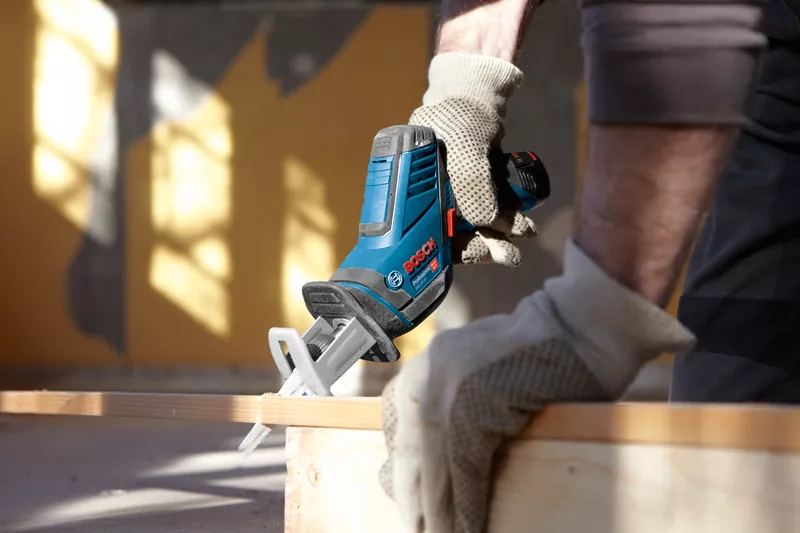
Credit: en.wikipedia.org
Key Features
A reciprocating saw is a versatile power tool. It’s used for cutting through various materials like wood, metal, and plastic. Understanding its key features can help you choose the right saw for your needs.
Design And Components
Reciprocating saws have a compact, handheld design. This makes them easy to maneuver in tight spaces.
They feature a powerful motor that drives the blade back and forth. This motion allows for fast and efficient cutting.
Most models come with a variable speed trigger. This lets you control the cutting speed for different materials.
The saw also has a pivoting shoe. This part stabilizes the tool during cutting, ensuring accuracy.
Many saws include an adjustable blade clamp. This allows for quick and easy blade changes.
Types Of Blades
Choosing the right blade is crucial for your project. Reciprocating saw blades come in various types and sizes.
- Wood-cutting blades: These have large, sharp teeth. They are perfect for cutting through wood and tree branches.
- Metal-cutting blades: These blades have finer teeth. They can cut through metals like steel and aluminum.
- Demolition blades: These are durable and designed for tough jobs. They can handle cutting through nails, wood, and metal.
- Specialty blades: Some blades are made for specific tasks. For example, there are blades for cutting through fiberglass or drywall.
Blades also vary in length. Longer blades can make deeper cuts. Shorter blades are better for precision work.
Always check the material of the blade. High-carbon steel blades are flexible and ideal for wood. Bi-metal blades are more durable and can cut both wood and metal.
How It Works
A reciprocating saw is a versatile power tool. It is used in construction and demolition tasks. This tool can cut through wood, metal, and plastic. Understanding how it works can help you use it effectively.
Mechanism
The mechanism of a reciprocating saw is simple yet powerful. The saw has a motor that drives a blade back and forth. This reciprocating motion allows the blade to cut through various materials. The speed and power of the motor make cutting easy and quick.
The blade is attached to a clamp. The clamp holds the blade securely in place. The motor moves the clamp, which in turn moves the blade. This creates a sawing action. The blade can be changed depending on the material to be cut.
Power Sources
Reciprocating saws come with different power sources. They can be corded or cordless. Corded saws are plugged into an electrical outlet. They offer continuous power and are suitable for heavy tasks.
Cordless saws run on batteries. They are portable and convenient for quick jobs. The battery life varies depending on the model. Some saws come with rechargeable batteries, adding to their convenience.
Below is a table summarizing the power sources:
| Power Source | Advantages | Disadvantages |
|---|---|---|
| Corded | Continuous power, suitable for heavy tasks | Limited by the length of the cord |
| Cordless | Portable, convenient for quick jobs | Limited battery life |
Common Uses
A reciprocating saw is a versatile power tool. It is commonly used in construction and demolition tasks. This tool can cut through various materials, including wood, metal, and plastic. Below are some common uses of a reciprocating saw.
Construction
In construction, a reciprocating saw is essential. Builders use it to cut through wood beams and metal pipes. This tool is perfect for making rough cuts quickly. It helps in fitting windows and doors. Workers also use it to cut through plaster and drywall. This saw makes construction work easier and faster.
Demolition
During demolition, a reciprocating saw is invaluable. It can cut through nails, screws, and bolts. This tool helps in tearing down walls and structures. Workers use it to remove old fixtures and fittings. The saw is also useful for cutting through stubborn materials. This makes demolition tasks more efficient.
| Common Uses | Materials |
|---|---|
| Construction | Wood, Metal, Plastic |
| Demolition | Nails, Screws, Bolts, Walls |
In both construction and demolition, a reciprocating saw is a must-have tool. Its versatility and power make it indispensable.
Safety Measures
Using a reciprocating saw can be risky. Safety is crucial. Follow these safety measures to prevent accidents.
Protective Gear
Always wear protective gear when using a reciprocating saw. This gear should include:
- Safety goggles to protect your eyes from debris.
- Ear protection to safeguard your hearing from noise.
- Gloves to protect your hands from cuts and vibrations.
- Dust mask to avoid inhaling dust and particles.
- Steel-toe boots to protect your feet.
Safe Operation
Safe operation is key to using a reciprocating saw effectively. Follow these steps:
- Inspect the saw before use. Ensure it is in good condition.
- Check the blade for damage or wear.
- Secure your workpiece to prevent movement.
- Hold the saw firmly with both hands.
- Start slowly to get a feel for the saw.
- Keep a safe distance from the blade.
These steps ensure you operate the saw safely and efficiently.
| Safety Measure | Description |
|---|---|
| Inspect the saw | Check for any damage or wear before use. |
| Check the blade | Ensure the blade is in good condition. |
| Secure the workpiece | Prevent movement of the material being cut. |
| Hold firmly | Use both hands to control the saw. |
| Start slowly | Begin with a slow speed to gain control. |
| Keep a safe distance | Avoid getting too close to the blade. |
Following these safety measures will help you use a reciprocating saw effectively and safely.
Choosing The Right Saw
Choosing the right reciprocating saw is crucial for efficiency and safety. The right saw makes tasks easier and faster. This section will guide you through key factors to consider and popular brands available.
Factors To Consider
- Power Source: Decide between corded or cordless models. Corded saws offer more power but limit mobility. Cordless saws are portable but need battery charging.
- Blade Types: Different blades suit different tasks. Wood, metal, and demolition blades vary in thickness and teeth per inch.
- Speed Settings: Variable speed settings give you control over the cut. High speed is ideal for soft materials. Low speed works best for hard materials.
- Weight and Ergonomics: A lighter saw reduces fatigue. Ergonomic handles offer better grip and comfort.
- Stroke Length: Longer strokes make faster cuts. Shorter strokes offer more control.
Popular Brands
| Brand | Key Features |
|---|---|
| DeWalt | Known for durability and power. Often includes variable speed settings. |
| Milwaukee | Offers cordless options with long battery life. Features ergonomic designs. |
| Makita | Lightweight and compact. High-performance motor for various tasks. |
| Bosch | Innovative features like anti-vibration. High cutting precision. |
| Ryobi | Budget-friendly. Good for DIY projects. |
Maintenance Tips
Maintaining your reciprocating saw ensures its longevity and efficiency. Proper care can prevent unwanted breakdowns and enhance performance. Follow these maintenance tips to keep your saw in top shape.
Cleaning And Storage
Regular cleaning is vital for your reciprocating saw. Dust and debris can clog the motor. Use a soft brush to clean the exterior. For hard-to-reach areas, use compressed air.
After each use, wipe the saw with a damp cloth. Ensure no moisture is left behind. Moisture can cause rust and damage the parts. Store your saw in a dry place. Use a protective case if available. This prevents dust and moisture from settling on the saw.
Blade Replacement
Blades wear out over time. Dull blades reduce efficiency and cause strain on the motor. Regularly check the blade for signs of wear. Replace the blade if it becomes dull or damaged.
Here’s a quick guide to replacing the blade:
- Unplug the saw or remove the battery.
- Locate the blade release mechanism.
- Press the release and remove the old blade.
- Insert the new blade until it clicks into place.
- Ensure the blade is secure before use.
Using the right blade for the material also matters. Choose blades designed for wood, metal, or other materials.
These simple maintenance tips can prolong the life of your reciprocating saw. Regular care keeps it running smoothly and efficiently.
Advantages And Disadvantages
Understanding the advantages and disadvantages of a reciprocating saw is crucial. This knowledge helps in making the best use of this versatile tool. Let’s dive into the pros and cons.
Pros
- Versatility: A reciprocating saw can cut various materials like wood, metal, and plastic.
- Portability: Its compact size makes it easy to carry and use in tight spaces.
- Power: High-powered motors make it ideal for heavy-duty tasks.
- Ease of Use: Simple design makes it user-friendly even for beginners.
- Quick Blade Changes: Most models feature easy blade replacement systems.
Cons
- Vibration: High vibration can make it challenging to control.
- Noise: It can be quite noisy, requiring ear protection.
- Battery Life: Cordless models may have limited battery life.
- Accuracy: Not ideal for precise cuts due to its aggressive nature.
- Weight: Some models can be heavy and tiring to use over time.
Frequently Asked Questions
- What Is A Reciprocating Saw?
A reciprocating saw is a power tool with a push-and-pull motion for cutting various materials.
- Why Use A Reciprocating Saw?
It’s used for demolition, cutting wood, metal, and plastic, and reaching tight spaces.
- How Does A Reciprocating Saw Work?
It works by moving a blade back and forth rapidly to cut through materials.
- Can A Reciprocating Saw Cut Metal?
Yes, with the correct blade, it can cut through metal efficiently.
- What Materials Can A Reciprocating Saw Cut?
It can cut wood, metal, plastic, and drywall with appropriate blades.
Conclusion
A reciprocating saw is a versatile tool for various cutting tasks. It excels in demolition, pruning, and remodeling projects. Its powerful, back-and-forth motion makes cutting through wood, metal, and plastic effortless.
Investing in a reciprocating saw can significantly enhance your DIY and professional projects.
Consider adding this essential tool to your toolkit today.