A hacksaw is a hand tool with a fine-toothed blade. It is used to cut metal, plastic, and wood.
A hacksaw is essential in various trades and DIY projects. Its sharp, replaceable blade makes it versatile for cutting through different materials. Carpenters, plumbers, and metalworkers often rely on it for precise cuts. The tool’s lightweight design ensures ease of use and control.
You can find hacksaws in many sizes, making them suitable for small or large jobs. Their simple construction allows for quick blade changes. This tool is a must-have for anyone looking to perform accurate and clean cuts.
Investing in a quality hacksaw can significantly improve your cutting tasks, saving time and effort.
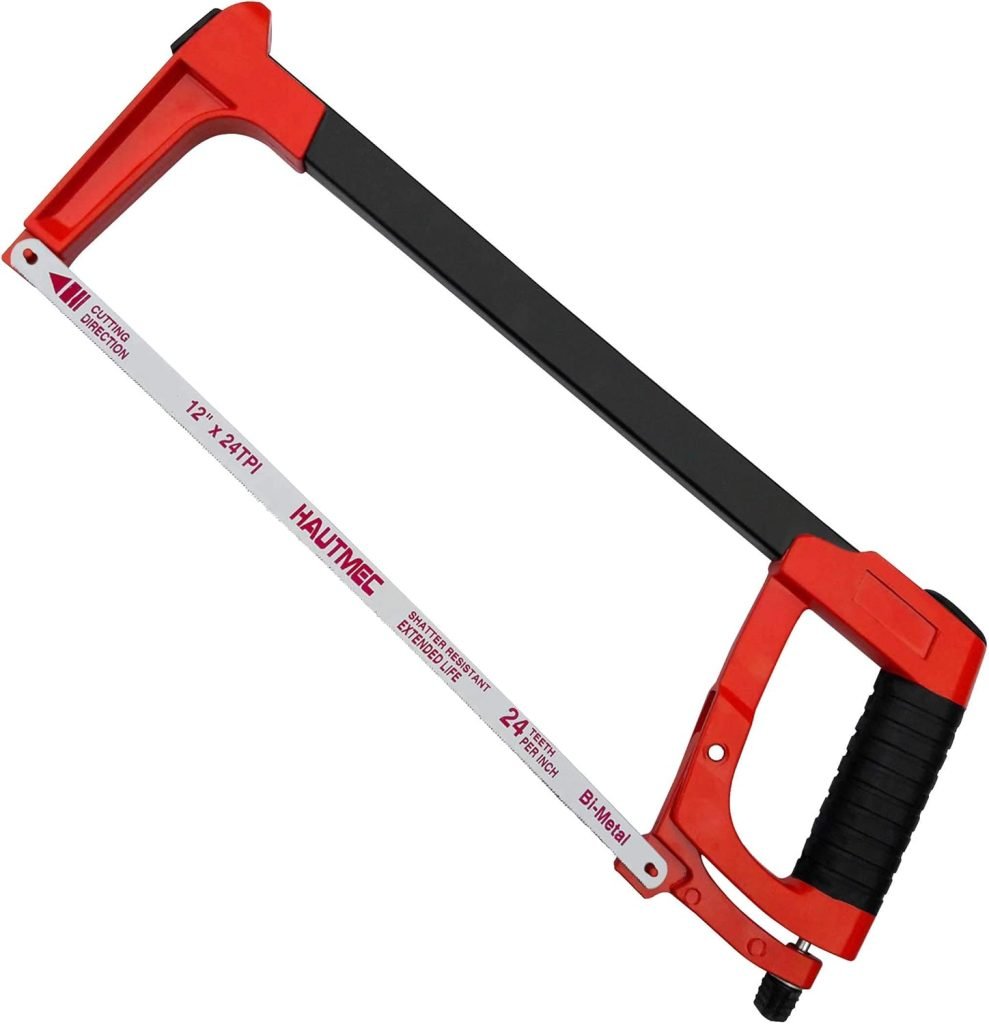
Credit: www.amazon.com
Introduction To Hack Saws
A hack saw is an essential tool in many workshops. It is used for cutting various materials like metal, plastic, and wood. This tool is popular for its simplicity and effectiveness.
Definition
A hack saw is a hand tool with a fine-toothed saw blade. It is typically mounted in a frame. The blade is tensioned between the two ends of the frame. Hack saws are ideal for making precise cuts.
History
The hack saw dates back to the early 19th century. It was first used by craftsmen to cut metal. Over time, it evolved to meet different needs. Today, it is a versatile tool in various industries.
Here are some key points about hack saws:
- Blade Material: High-speed steel or carbon steel.
- Frame Types: Fixed and adjustable frames.
- Uses: Cutting pipes, rods, and other materials.
Different hack saws come with various blade types. These blades vary in tooth count and size. Selecting the right blade is crucial for effective cutting.
Hack saws are simple but powerful tools. They are crucial in many DIY and professional projects. Their history and versatility make them a staple in many toolboxes.
Basic Components
A hack saw is a versatile tool used for cutting metal, plastic, and wood. Understanding its basic components helps use it effectively. This section explains the frame and blade of a hack saw.
Frame
The frame of a hack saw holds the blade in place. It is usually made of metal. The frame can be adjusted to fit different blade lengths. This makes it versatile for various tasks.
There are two main types of frames:
- Fixed frame: This type has a set length. It is sturdy and reliable.
- Adjustable frame: This type can change length. It is useful for different blade sizes.
Blade
The blade is the cutting part of the hack saw. It is made of hardened steel. Blades come in different types, depending on the material to be cut.
Here are the main types of blades:
| Blade Type | Uses |
|---|---|
| High-speed steel | Used for cutting hard metals. |
| Carbon steel | Ideal for cutting soft metals and plastics. |
Blades also have different teeth per inch (TPI). More teeth mean a finer cut. Fewer teeth mean a rougher cut but faster cutting.
Types Of Hack Saws
Hack saws are essential tools for cutting various materials. They come in different types, each suited for specific tasks. Understanding the types of hack saws can help you choose the right one for your needs.
Hand Hack Saws
Hand hack saws are the most common type. They are operated manually and consist of a blade, frame, and handle. These saws are perfect for small cutting tasks.
- Adjustable Frame: Allows for different blade lengths.
- Fixed Frame: Suitable for consistent, precise cuts.
Hand hack saws are ideal for cutting metal pipes, rods, and plastics. They are lightweight and easy to control.
Power Hack Saws
Power hack saws are motorized and provide more cutting power. They are perfect for larger, tougher materials.
| Type | Use |
|---|---|
| Electric | Fast and efficient for heavy-duty tasks |
| Pneumatic | Uses air pressure, ideal for industrial use |
Power hack saws are great for cutting through thick metals and other hard materials. They save time and reduce manual effort.
Blade Varieties
Hack saws are versatile tools, essential for cutting through various materials. The blade you choose impacts its performance and efficiency. Understanding the different blade varieties is crucial for selecting the right one for your task. Let’s dive into the details.
Material Types
Hack saw blades come in different materials, each suited for specific tasks. Here are the common types:
- High Carbon Steel: Ideal for cutting softer metals and plastics. They are flexible and durable.
- Bi-Metal: A combination of high carbon steel and high-speed steel. These blades are versatile and long-lasting.
- High-Speed Steel (HSS): Best for cutting hard metals. These blades are more rigid and heat-resistant.
Tooth Configurations
The tooth configuration of a hack saw blade determines its cutting efficiency. Here are the common configurations:
| Configuration | Description |
|---|---|
| Standard Teeth | Uniform teeth spacing. Good for general-purpose cutting. |
| Raker Teeth | Groups of teeth separated by a larger gap. Suitable for cutting thicker materials. |
| Wavy Teeth | Teeth arranged in a wave pattern. Ideal for cutting thin materials smoothly. |
Choosing the right blade variety for your hack saw ensures efficient and precise cutting. Always match the blade material and tooth configuration to your cutting needs.
Selecting The Right Hack Saw
Choosing the right hack saw is crucial for your project. A suitable hack saw ensures clean cuts and ease of use. Consider the following factors to make an informed decision.
Material Considerations
Different materials require different types of blades. Metal blades are best for cutting metal. Wood blades are ideal for wood projects. Plastic blades work well with plastic materials. Using the right blade prevents damage and ensures smooth cuts.
| Material | Recommended Blade Type |
|---|---|
| Metal | High-Speed Steel (HSS) |
| Wood | Carbon Steel |
| Plastic | Bi-Metal |
Project Requirements
Consider the specifics of your project. Blade length is important. Shorter blades are good for precision cuts. Longer blades are better for larger cuts. Blade TPI (teeth per inch) affects the cut quality. Finer teeth give smooth cuts. Coarser teeth cut faster but rougher.
- For fine cuts: 24-32 TPI
- For general use: 18-24 TPI
- For quick cuts: 14-18 TPI
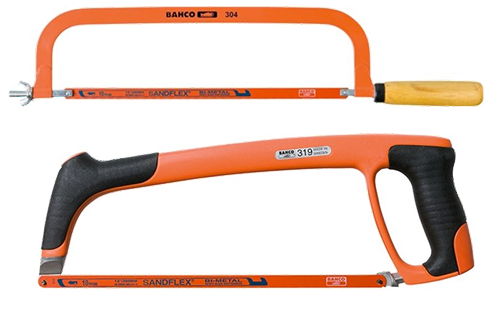
Think about the frame type too. Fixed frames are sturdy but less flexible. Adjustable frames can hold different blade lengths.
Credit: tameson.com
Proper Usage Techniques
Using a hack saw correctly can make your work easier and safer. Let’s dive into the essential techniques for using a hack saw effectively.
Safety Measures
- Wear protective gear: Always wear safety goggles and gloves to protect your eyes and hands.
- Check the blade: Ensure the blade is sharp and properly secured.
- Stable work surface: Work on a stable surface to avoid accidents.
- Maintain good posture: Stand with your feet shoulder-width apart for balance.
Cutting Tips
- Mark the cut: Use a pencil or marker to outline where you want to cut.
- Start slowly: Begin with slow, controlled strokes to get a groove started.
- Use full strokes: Employ full, even strokes to make clean cuts.
- Apply even pressure: Don’t force the blade; let it do the work.
- Cool down: Take breaks to prevent the blade from overheating.
| Tip | Description |
|---|---|
| Wear protective gear | Always use safety goggles and gloves. |
| Check the blade | Ensure it is sharp and secure. |
| Stable work surface | Work on a stable surface. |
| Maintain good posture | Stand with feet shoulder-width apart. |
| Mark the cut | Use a pencil or marker. |
| Start slowly | Begin with slow strokes. |
| Use full strokes | Employ full, even strokes. |
| Apply even pressure | Let the blade do the work. |
| Cool down | Take breaks to prevent overheating. |
Common Applications
A hack saw is a versatile tool. It is used for cutting materials. It is popular in both home and professional settings. Its applications are diverse and essential.
Metal Cutting
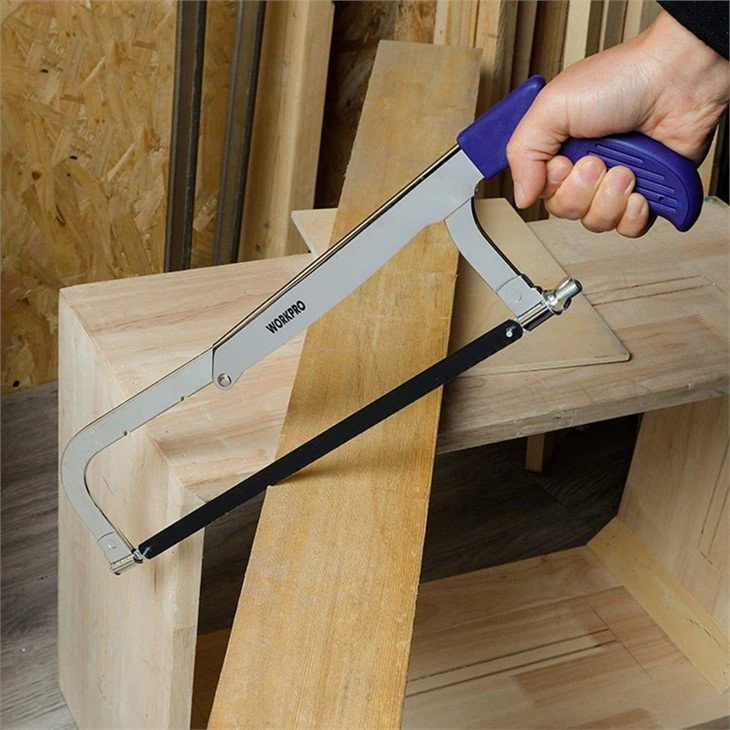
A hack saw is ideal for cutting metal. It can slice through pipes and rods. It is used to cut bolts and screws. The saw’s fine teeth make clean cuts. It is a must-have for metalworking projects.
Plastic Cutting
Plastic cutting is another common use. A hack saw can cut PVC pipes. It works well on plastic sheets too. The saw makes precise and smooth cuts. It is useful for plumbing and crafts.
Credit: www.chegg.com
Maintenance And Care
Regular maintenance and care ensure your hack saw performs well. A well-maintained saw cuts better and lasts longer. Below are some tips for maintaining your hack saw.
Blade Replacement
Blades can become dull or damaged. Replacing the blade is important for clean cuts.
- Loosen the blade tension knob.
- Remove the old blade carefully.
- Install a new blade with the teeth facing forward.
- Tighten the tension knob until the blade is firm.
Frame Care
The frame holds the blade and needs regular care. Clean the frame after each use.
- Wipe the frame with a dry cloth.
- Inspect for any cracks or bends.
- Lubricate moving parts with a light oil.
| Task | Frequency |
|---|---|
| Blade Replacement | Every 6 months |
| Frame Cleaning | After each use |
| Lubrication | Monthly |

Credit: www.amazon.com
Frequently Asked Questions
- What Is A Hack Saw?
A hack saw is a hand tool used for cutting metal, plastic, and wood.
- How Does A Hack Saw Work?
A hack saw cuts materials using a blade with fine teeth, creating precise cuts with back-and-forth movements.
- Why Use A Hack Saw?
Use a hack saw for its precision, ease of use, and ability to cut various materials with minimal effort.
- What Materials Can A Hack Saw Cut?
A hack saw can cut metals, plastics, and some types of wood, making it versatile for different projects.
- How To Choose A Hack Saw Blade?
Choose a blade based on teeth per inch (TPI); more teeth for metal, fewer for softer materials.
Conclusion
A hack saw is a versatile tool for cutting various materials. Its precision and efficiency make it essential. From DIY projects to professional use, it serves multiple purposes.
Understanding its uses helps in selecting the right tool for your needs.
Invest in a quality hack saw for optimal results.