A chainsaw is a portable, mechanical saw powered by electricity, gasoline, or battery. It’s used primarily for cutting wood.
Chainsaws are essential tools for forestry, landscaping, and emergency rescue operations. They efficiently cut through thick branches, logs, and trees.
Compact and powerful, chainsaws come in various sizes to suit different tasks. Homeowners often use smaller models for pruning and yard maintenance.
Professionals in logging and tree care rely on larger, more robust chainsaws. Safety features like chain brakes and anti-vibration handles improve usability and reduce the risk of accidents. Regular maintenance, including sharpening the chain and checking the oil levels, ensures optimal performance and longevity.
Chainsaws are invaluable for tasks requiring swift and precise cutting.
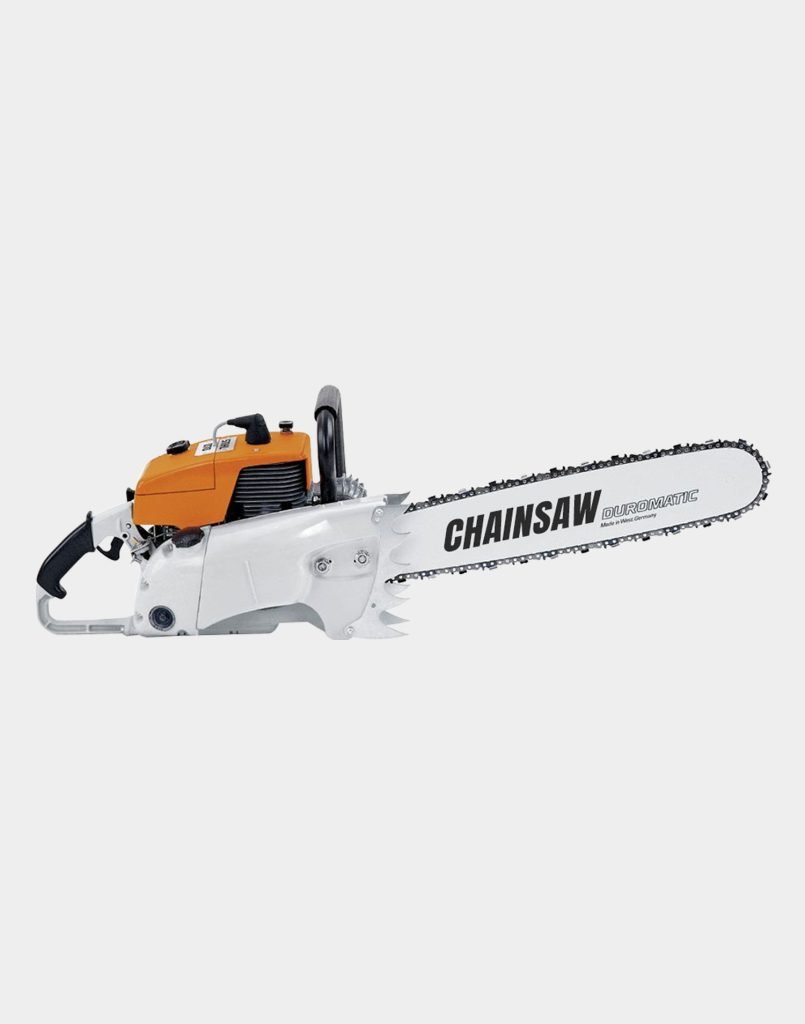
Credit: www.cnet.com
Introduction To Chain Saws
A chain saw is a powerful tool used for cutting wood. It has a rotating chain with sharp teeth. These teeth slice through wood efficiently. Chain saws are essential for many outdoor tasks. They are used in forestry, carpentry, and even by homeowners.
Brief History
The history of chain saws dates back to the 19th century. Early versions were manually operated. The first electric chain saw appeared in the 1920s. Gas-powered models followed soon after. These innovations made cutting wood faster and easier. Today, chain saws are essential tools in various industries.
Basic Components
A chain saw has several key components. These include the engine, the chain, and the guide bar.
| Component | Function |
|---|---|
| Engine | Powers the chain saw |
| Chain | Cuts through wood |
| Guide Bar | Supports the chain |
| Handle | Allows for control |
- The engine can be gas or electric.
- The chain has sharp teeth.
- The guide bar keeps the chain in place.
- The handle helps you steer the saw.
Understanding these components helps in using the chain saw safely. Knowing the parts makes maintenance easier too. Always read the manual before using a chain saw.
Types Of Chain Saws
Chain saws come in various types, each suited for specific tasks. Choosing the right type depends on the job and your preferences. Here are the main types of chain saws available:
Gas-powered
Gas-powered chain saws are popular for their power and mobility. They are ideal for heavy-duty tasks like felling trees and cutting large branches. These saws use a two-stroke engine and require a mix of gasoline and oil. They offer high performance but are heavier and noisier. Regular maintenance is essential to keep them running smoothly.
Electric
Electric chain saws are perfect for lighter tasks around the home. They need a power outlet to operate, which limits their range. These saws are quieter and easier to maintain compared to gas-powered ones. They are also more environmentally friendly as they do not emit fumes. Electric chain saws are a good choice for pruning, trimming, and small cutting jobs.
Battery-operated
Battery-operated chain saws combine the benefits of electric and gas-powered saws. They are cordless, offering greater mobility like gas saws. At the same time, they are quieter and cleaner, similar to electric saws. These saws are ideal for medium-duty tasks. They come with rechargeable batteries, making them convenient for on-the-go use. However, they may not be as powerful as gas-powered saws.
The table below summarizes the key features of each type:
| Type | Power Source | Ideal For | Pros | Cons |
|---|---|---|---|---|
| Gas-Powered | Gasoline | Heavy-duty tasks | High power, mobility | Heavy, noisy, requires maintenance |
| Electric | Electricity | Lighter tasks | Quiet, easy to maintain | Limited range, needs power outlet |
| Battery-Operated | Battery | Medium-duty tasks | Cordless, quiet, clean | Less powerful, battery life |
How Chain Saws Work
Understanding how a chain saw works is fascinating. This tool combines power and precision. Let’s dive into the mechanics and cutting process.
Engine Mechanics
The engine is the heart of the chain saw. It can be powered by gas or electricity. Gas engines are powerful and suitable for heavy-duty tasks. Electric engines are quieter and easier to maintain.
Here is a simple breakdown of engine parts:
- Carburetor: Mixes fuel and air.
- Spark Plug: Ignites the fuel-air mix.
- Piston: Moves to create power.
These components work together to drive the chain saw.
Cutting Mechanism
The cutting mechanism is crucial. The chain has sharp teeth. These teeth cut through wood quickly.
Key parts of the cutting mechanism include:
| Part | Function |
|---|---|
| Guide Bar | Supports the chain. |
| Chain | Has teeth for cutting. |
| Oiler | Lubricates the chain. |
The guide bar keeps the chain aligned. The oiler ensures smooth operation. This combination allows efficient cutting.
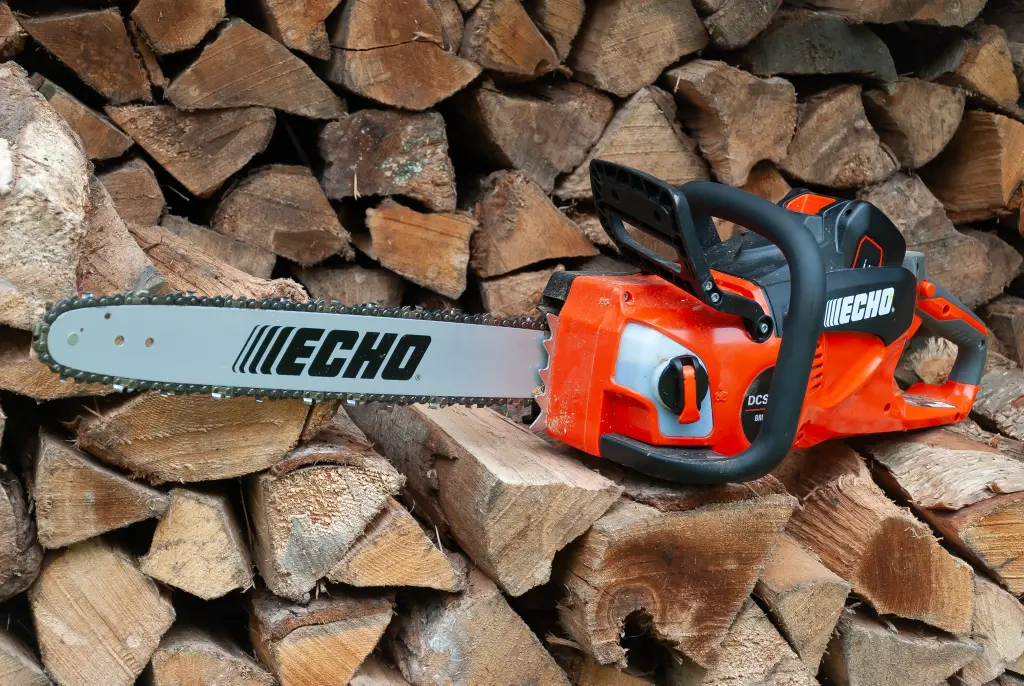
Credit: science.howstuffworks.com
Primary Uses Of Chain Saws
Chain saws are versatile tools with many applications. They help with cutting wood and trimming trees. They are valuable in forestry, landscaping, and emergency services.
Forestry
In forestry, chain saws are essential tools. They help in felling trees and cutting logs. Workers use them for forest thinning and timber harvesting. Chain saws make forest management easier and more efficient.
Landscaping
Landscaping projects benefit greatly from chain saws. They help in trimming large branches and cutting down unwanted trees. Landscapers use them for sculpting hedges and creating garden features. Chain saws save time and effort in maintaining landscapes.
Emergency Services
Emergency services rely on chain saws during disasters. They help in clearing fallen trees and debris. Rescue teams use them to access trapped individuals. Chain saws are crucial for quick and effective emergency response.
Safety Tips
Using a chainsaw can be dangerous without proper safety measures. It’s important to follow safety tips to prevent accidents and injuries.
Protective Gear
Wearing the right protective gear is crucial. Always wear a helmet to protect your head. Safety goggles are essential to protect your eyes from debris. Hearing protection, like earmuffs, can shield your ears from loud noises.
- Helmet: Protects your head from falling branches.
- Safety Goggles: Keeps sawdust and debris out of your eyes.
- Hearing Protection: Earmuffs or earplugs to reduce noise.
- Gloves: Protects hands from cuts and improves grip.
- Chainsaw Chaps: Special pants that protect your legs.
Safe Operation Techniques
Operating a chainsaw safely involves several key techniques. Always maintain a firm grip with both hands. Keep your body balanced and stable. Stand to the side of the saw, not directly behind it.
- Firm Grip: Use both hands to control the saw.
- Stable Stance: Keep your feet apart for balance.
- Proper Positioning: Stand to the side of the saw.
- Starting Technique: Place the saw on the ground to start it.
- Cutting Method: Use a steady, controlled motion.
Always inspect your chainsaw before use. Ensure the chain is sharp and properly tensioned. Regular maintenance can prevent malfunctions and improve safety.
| Item | Purpose |
|---|---|
| Helmet | Protects head from impacts |
| Safety Goggles | Shields eyes from debris |
| Hearing Protection | Reduces noise levels |
| Gloves | Enhances grip and protects hands |
| Chainsaw Chaps | Guards legs against cuts |
Maintenance And Care
Proper maintenance and care of your chainsaw will ensure its longevity. This guide will help you keep your chainsaw in top condition.
Regular Cleaning
Regular cleaning is essential for the efficiency of your chainsaw. Dirt and debris can clog the chain and reduce performance.
- Remove the chain and guide bar.
- Use a brush to clean the chain and guide bar.
- Wipe down the body of the chainsaw with a damp cloth.
- Inspect the air filter and clean it if necessary.
Keeping your chainsaw clean will prevent many issues and extend its life.
Sharpening The Chain
A sharp chain cuts better and is safer. Regular sharpening is necessary.
- Secure the chainsaw in a vise.
- Use a round file that matches the chain’s size.
- File each tooth at the same angle and number of strokes.
- Check the depth gauges and file them as needed.
Sharpening the chain regularly ensures efficient cutting and safety.
| Maintenance Task | Frequency |
|---|---|
| Clean the chainsaw | After each use |
| Sharpen the chain | After every 5 hours of use |
| Check air filter | Monthly |
Regular maintenance will keep your chainsaw working smoothly and safely.
Choosing The Right Chain Saw
Choosing the right chain saw is essential for your tasks. There are many factors to consider. Understanding your needs helps you make the best choice. Below, we break down the key aspects.
Power Needs
Your chain saw’s power should match the job. For light work, like trimming small branches, a less powerful saw is enough.
For cutting firewood or felling trees, a more powerful saw is better. Electric chain saws are great for small jobs. They are quieter and need less maintenance. Gas-powered saws are stronger and better for heavy-duty tasks.
Table of power types and their uses:
| Power Type | Best For |
|---|---|
| Electric | Light trimming, small branches |
| Gas-powered | Felling trees, cutting firewood |
Budget Considerations
Budget plays a big role in choosing a chain saw. Electric chain saws are usually cheaper. They cost less to maintain and operate.
Gas-powered saws are more expensive. They offer more power and are built for tougher tasks.
List of budget considerations:
- Electric saws: Lower initial cost, lower maintenance
- Gas-powered saws: Higher cost, more power
Consider what you need the chain saw for. Balance your power needs with your budget. This ensures you get the best value for your money.
Environmental Impact
Chainsaws are powerful tools used for cutting wood. They are often used for tree felling, pruning, and harvesting firewood. While useful, chainsaws can have a significant environmental impact. Understanding these impacts can help us use chainsaws responsibly.
Fuel Emissions
Most chainsaws run on gasoline or a gas-oil mix. This fuel combustion releases harmful emissions into the air. These emissions include carbon monoxide, nitrogen oxides, and hydrocarbons. They contribute to air pollution and global warming. Electric chainsaws are a cleaner option. They produce fewer emissions and are better for the environment.
Noise Pollution
Chainsaws are very loud tools. Their noise can reach up to 120 decibels. This level of noise can cause hearing damage and disturb wildlife. It is important to use ear protection when operating a chainsaw. Using a quieter electric chainsaw can also reduce noise pollution.
Frequently Asked Questions
- What Is A Chain Saw?
A chain saw is a portable, mechanical saw powered by electricity, batteries, or gasoline.
- How Does A Chain Saw Work?
A chain saw works by rotating a chain with sharp teeth around a guide bar.
- What Are Chain Saws Used For?
Chain saws are used for cutting trees, branches, and firewood, and for pruning and shaping foliage.
- Are Chain Saws Safe To Use?
Chain saws are safe if used correctly with proper safety gear and following the manufacturer’s instructions.
- Can Beginners Use A Chain Saw?
Beginners can use a chain saw after proper training and understanding of safety measures.
Conclusion
A chain saw is an essential tool for cutting wood efficiently. It’s used in forestry, landscaping, and home maintenance. Understanding its purpose and proper use can enhance safety and productivity.
Invest in a quality chain saw to make your tasks easier and more effective.
Always prioritize safety when operating this powerful tool.