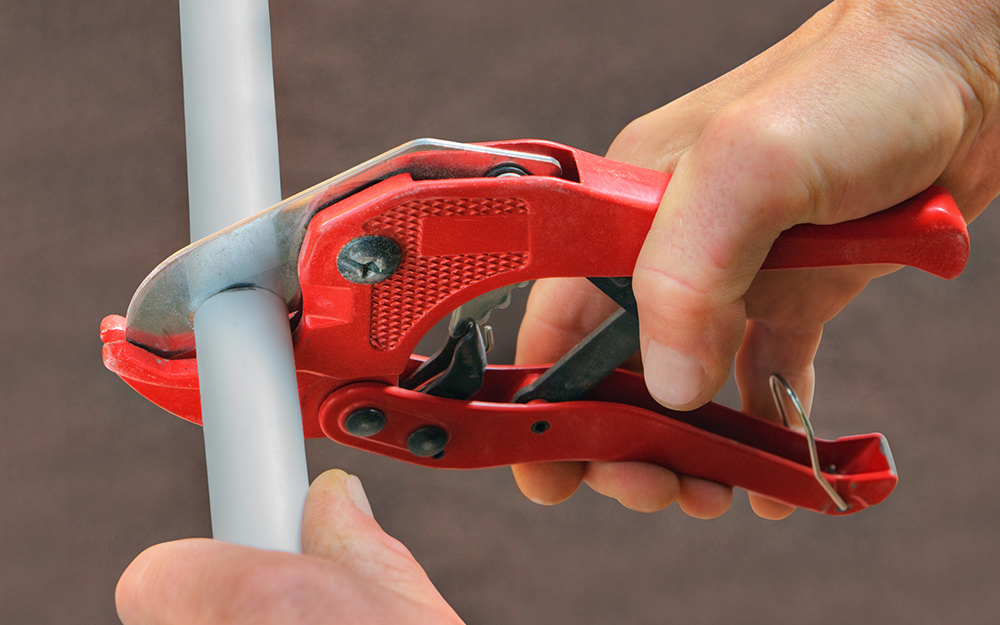
To cut PVC pipe without a saw, use a utility knife or a PVC pipe cutter. Score the pipe deeply and then snap it along the score line.
Cutting PVC pipe can be straightforward, even without traditional tools like saws. Many DIY projects require precise cuts for a clean fit. Using alternative methods, such as a utility knife or a specialized pipe cutter, can help achieve that.
These methods are effective for those who may not have access to a saw or prefer a quieter approach.
Learning how to cut PVC pipe properly ensures that your plumbing or crafting projects go smoothly. It’s essential to follow safety precautions to avoid injury while achieving a clean, even cut.
Credit: www.homedepot.com
Introduction To Pvc Pipe Projects
PVC pipes are common in many DIY projects. They are affordable and easy to work with. Many people use them for plumbing, crafting, and home improvement. Cutting PVC pipes is often necessary for these projects. You don’t always need a saw. There are various methods to cut PVC pipes without one.
The Versatility Of Pvc Pipes
PVC pipes are very versatile. They can be used for different purposes. Here are some common uses:
- Plumbing systems
- Gardening and irrigation
- Furniture and home decor
- Kids’ crafts and toys
Their lightweight nature makes them easy to handle. They come in different sizes and lengths. This flexibility allows for creativity in projects.
Common Tools For Cutting Pvc
Cutting PVC pipes doesn’t always require a saw. Here are some common tools you can use:
| Tool | Description |
|---|---|
| Pipe Cutter | Great for straight cuts. Easy to use. |
| Utility Knife | Works well for smaller pipes. Requires careful handling. |
| Hacksaw Blade | Use the blade alone for precision cuts. |
| Heat Source | Softens the pipe. You can bend or cut it easily. |
Each tool has its own advantages. Choose one based on your project needs.
Understanding how to cut PVC pipes can save time and money. It’s an essential skill for various DIY enthusiasts.
Why Avoid Using A Saw?
Cutting PVC pipe with a saw can lead to problems. Safety, space, and tool issues arise. Here are the main reasons to avoid using a saw.
Safety Concerns
Using a saw can be dangerous. Sharp blades can cause injuries. Here are some safety risks:
- Risk of cuts and lacerations
- Potential for flying debris
- Inaccurate cuts leading to waste
Injuries can be serious. Always prioritize safety when working with tools.
Lack Of Tools Or Space
Not everyone has a saw. Many people also lack proper space. Here are some challenges:
- Limited workspace can make cutting difficult
- Hand saws require significant effort
- Power saws need electric outlets and safety setups
Using simple methods saves time and effort. Alternative techniques work well in tight spaces.
Preparing To Cut Pvc Pipe
Cutting PVC pipe without a saw requires careful preparation. Proper measuring and securing of the pipe are essential. This ensures a clean cut and minimizes mistakes. Follow these steps to prepare effectively.
Measuring And Marking Accurately
Accurate measurements are vital for a successful cut. Follow these tips:
- Use a measuring tape for precise measurements.
- Mark the cut line clearly with a permanent marker.
- Double-check your measurements to avoid errors.
Consider using a square for straight lines. This helps maintain accuracy. Here’s a quick checklist for marking:
- Measure the desired length.
- Mark the pipe with a straight line.
- Verify the mark before cutting.
Securing The Pipe
Securing the pipe is crucial for a clean cut. Follow these steps to secure effectively:
- Use clamps to hold the pipe in place.
- Place the pipe on a stable surface.
- Ensure the area is free from distractions.
Here’s a simple table to summarize securing methods:
| Method | Description |
|---|---|
| Clamps | Hold the pipe tightly to avoid movement. |
| Vise | Provides a sturdy grip for more precision. |
| Weight | Use heavy objects to stabilize the pipe. |
With the pipe secured, you are ready to cut. Ensure everything is in place before proceeding.
Using A String To Make The Cut
Cutting PVC pipe without a saw is easy. One effective method involves using a string. This technique is perfect for those who lack traditional cutting tools.
Choosing The Right Type Of String
Selecting the right string is crucial. Here are some options:
- Fishing Line: Strong and flexible.
- Paracord: Durable and easy to grip.
- Thin Rope: Readily available and effective.
Ensure the string is not too thick. A thinner string cuts better through the PVC material.
Step-by-step Guide
- Measure: Determine where to cut the pipe.
- Wrap the String: Loop the string around the pipe. Make sure it’s tight and straight.
- Begin Sawing Motion: Pull the string back and forth. Apply steady pressure.
- Continue Until Cut: Keep pulling the string until the pipe breaks.
Check the cut area for any rough edges. You can smooth them using sandpaper.
The Power Of Heat: Melting Through Pvc
Melting PVC pipe is an effective method for cutting. This technique uses heat to soften the material. Once softened, you can easily bend or break the pipe. It’s a handy trick when you lack a saw.
Safety Precautions
Before starting, safety is crucial. Follow these precautions:
- Wear safety glasses to protect your eyes.
- Use gloves to shield your hands from heat.
- Work in a well-ventilated area to avoid fumes.
- Keep a fire extinguisher nearby for emergencies.
Technique And Tips
Here’s how to melt PVC effectively:
- Gather your materials:
- Heat source (like a heat gun or lighter)
- Measuring tape
- PVC pipe
- Work surface (like a cutting board)
- Measure where you want to cut the pipe.
- Heat the area evenly until it begins to soften.
- Once soft, carefully bend and break the pipe.
- Allow the pipe to cool before handling.
Tips for better results:
- Keep the heat source moving to avoid burning.
- Practice on scrap pieces before cutting your main pipe.
- Use a ruler for straight cuts.

Credit: m.youtube.com
Cutting With A Utility Knife
Cutting PVC pipe with a utility knife is simple and effective. This method works well for smaller pipes. It requires minimal tools and offers a clean cut.
Sharpening The Blade
A sharp blade is crucial for a smooth cut. Dull blades can cause jagged edges. Follow these steps to sharpen your utility knife:
- Use a sharpening stone or honing rod.
- Hold the blade at a 20-degree angle.
- Swipe the blade across the stone gently.
- Test the sharpness on scrap material.
Ensure the blade is sharp before cutting.
Technique For A Smooth Cut
Follow these steps to cut PVC pipe with a utility knife:
- Measure and mark the cut line clearly.
- Place the pipe on a stable surface.
- Position the knife at a 45-degree angle.
- Press down firmly and score the pipe.
- Make several passes along the cut line.
- Apply more pressure with each pass.
- Snap the pipe along the scored line.
Check the edges after the cut. Smooth any rough spots with sandpaper.
Without The Hacksaw Frame
Utilize a hacksaw blade only for cutting PVC pipe.
Guidance For A Straight Cut
- Mark cut line around the pipe.
- Secure pipe firmly to prevent wobbling.
- Begin cutting slowly using the hacksaw blade.
- Maintain steady pressure for a clean cut.
- Rotate pipe slightly while cutting for even results.

Credit: www.tigerfishtools.com
Alternative Tools And Techniques
Cutting PVC pipe without a saw is easy with the right tools. Various alternative methods can help you achieve clean cuts. Here are some effective options.
Using A Wire Saw
A wire saw is a fantastic tool for cutting PVC pipe. It is lightweight and easy to handle. Here’s how to use it:
- Wrap the wire around the pipe.
- Pull the ends of the wire to tighten it.
- Move the wire back and forth to cut.
Benefits of using a wire saw:
- Portable and compact
- No power source needed
- Creates smooth cuts
Tubing Cutters For Pvc
Tubing cutters are specially designed for cutting pipes. They provide a clean and precise cut. Follow these steps to use a tubing cutter:
- Place the pipe in the cutter.
- Align the blade with the cut mark.
- Squeeze the handles to cut.
Advantages of tubing cutters:
- Easy to use
- Reduces hand fatigue
- Minimizes dust and debris
Consider these alternatives for cutting PVC pipe without a saw. These tools make the job simple and effective.
Finishing Touches After The Cut
After cutting PVC pipe, take time for finishing touches. These steps ensure a clean and effective fit. Properly finished edges prevent damage and ensure secure connections.
Smoothing The Edges
Smoothing the edges of your PVC pipe is crucial. Rough edges can cause leaks or damage to fittings. Follow these steps for smooth edges:
- Use sandpaper or a file.
- Start with a coarse grit (80-120 grit).
- Gradually switch to a finer grit (220-320 grit).
- Sand in a circular motion.
- Check for sharp edges; smooth them out.
Keep your workspace clean. Dust can interfere with fittings. Wipe the pipe with a damp cloth after sanding.
Checking The Fit
Ensuring a proper fit is essential for any project. Follow these simple steps to check your PVC pipe fit:
- Align the cut end with the fitting.
- Push the pipe into the fitting gently.
- Ensure it fits snugly without forcing.
- Look for gaps between the pipe and fitting.
- Test the connection by pulling gently.
A proper fit prevents leaks. If the pipe is loose, recut or adjust as needed. Double-check before final assembly.
Safety Tips And Best Practices
Cutting PVC pipe without a saw can be safe and efficient. Following proper safety tips and best practices is crucial. Protect yourself and your workspace. Here are essential guidelines to keep in mind.
Protective Gear
Wearing the right protective gear is vital. It prevents injuries and keeps you safe. Here’s a list of essential gear:
- Safety goggles: Protects your eyes from debris.
- Gloves: Keeps your hands safe from sharp edges.
- Dust mask: Reduces inhalation of dust particles.
- Long sleeves: Prevents skin contact with sharp tools.
Working Environment
Ensure your working area is safe and organized. A clean space reduces accidents. Follow these tips:
- Choose a flat surface for stability.
- Keep your workspace well-lit.
- Remove any clutter that may cause slips.
- Ensure you have a firm grip on the pipe.
Stay alert while working. Focus prevents mistakes. Always check your tools before use. A little preparation goes a long way in ensuring safety.
Frequently Asked Questions
- How Can I Cut Pvc Pipe Without A Saw?
You can use alternatives like a utility knife, pipe cutter, or heat source for precise cuts.
- What Tools Are Best For Cutting Pvc Pipe?
A utility knife, PVC pipe cutter, or a pair of heavy-duty scissors work effectively for cutting PVC pipe.
- Is Cutting Pvc Pipe Easy Without A Saw?
Yes, cutting PVC pipe without a saw is straightforward with the right tools and techniques.
- Can I Use A Heat Gun On Pvc Pipe?
Yes, a heat gun can soften PVC, allowing you to bend or cut it more easily.
- What Safety Precautions Should I Take?
Wear safety goggles and gloves to protect against sharp edges and debris during the cutting process.
Conclusion
Cutting PVC pipe without a saw is entirely possible with the right techniques. Whether you choose heat, a pipe cutter, or a scoring method, each option offers unique benefits.
Experiment with these methods to find what works best for your project.
With practice, you’ll achieve clean, precise cuts every time.