To use a reciprocating saw, first secure your workpiece and ensure you have the correct blade. Next, power on the saw and guide it steadily through the material.
A reciprocating saw is a versatile tool often used for demolition and renovation projects. Its design allows for easy maneuvering in tight spaces, making it ideal for cutting wood, metal, and plastic. This power tool operates with a back-and-forth motion, enabling swift and efficient cuts.
Users appreciate its ability to tackle various materials quickly. Understanding how to handle this saw correctly ensures safety and effectiveness. Proper technique and precautions prevent accidents and enhance performance. Whether you’re a DIY enthusiast or a professional, mastering the reciprocating saw can significantly streamline your cutting tasks.
Choosing The Right Blade
Choosing the right blade for your reciprocating saw is crucial. A suitable blade makes cutting easier and safer. Let’s explore the types of blades and how to select the best one for your material.
Understanding Blade Types
Reciprocating saw blades come in various types. Each type serves a specific purpose. Here are the most common blade types:
- Wood Blades: Designed for cutting wood and plastic.
- Metal Blades: Ideal for cutting metal pipes and sheets.
- Bi-Metal Blades: Versatile blades that cut both wood and metal.
- Specialty Blades: Used for unique materials like drywall or tile.
Selecting The Correct Blade For The Material
Choosing the right blade depends on the material you cut. Each material requires a specific blade type. Here’s a quick guide:
| Material | Recommended Blade Type |
|---|---|
| Wood | Wood Blades |
| Metal | Metal Blades |
| Plastic | Wood Blades |
| Drywall | Specialty Blades |
| Tile | Specialty Blades |
Consider the following tips for selecting a blade:
- Length: Longer blades cut deeper.
- Teeth Count: More teeth provide smoother cuts.
- Material: Ensure the blade matches the material type.
Choosing the right blade enhances performance. It ensures a smoother and faster cutting experience.

Credit: www.youtube.com
Safety Precautions
Using a reciprocating saw can be dangerous. Follow these safety precautions to protect yourself while working. Always prioritize your safety and the safety of others.
Wearing Safety Gear
Always wear the right safety gear. This includes:
- Safety goggles: Protect your eyes from flying debris.
- Ear protection: Reduce noise exposure.
- Gloves: Keep your hands safe from sharp edges.
- Dust mask: Prevent inhaling harmful particles.
Make sure your clothing fits properly. Avoid loose clothing that can get caught in the saw.
Securing The Workpiece
Always secure the material you are cutting. This prevents movement during cutting. Use these methods:
- Clamps: Secure the workpiece to a stable surface.
- Workbench: Use a sturdy workbench for better control.
- Vise: A vise holds the material firmly.
Check that the workpiece is stable before starting. An unstable piece can lead to accidents.
Setting Up The Saw
Proper setup is crucial for effective use of a reciprocating saw. Follow these steps to ensure safety and efficiency. Start with the right blade and settings for your project.
Installing The Blade
Installing the blade is simple. Follow these steps:
- Unplug the saw to ensure safety.
- Locate the blade release lever.
- Open the lever to remove the old blade.
- Select a suitable blade for your material.
- Insert the new blade into the clamp.
- Close the lever securely to lock the blade in place.
Check that the blade is straight and secure. A loose blade can cause accidents.
Adjusting Speed And Stroke Length
Adjusting speed and stroke length helps in various cutting tasks. Follow these steps:
- Find the speed control dial on the saw.
- Choose a lower speed for tough materials.
- Use higher speed for softer materials.
Stroke length affects cutting depth. Most saws have adjustable stroke lengths:
- Locate the stroke length adjustment knob.
- Turn it to increase or decrease stroke length.
Use longer strokes for deeper cuts. Short strokes work best for precision.
Basic Techniques
Mastering the basic techniques of using a reciprocating saw is essential. These skills enhance safety and efficiency. Let’s explore the key techniques to improve your cutting experience.
Proper Grip And Stance
Using the correct grip and stance ensures control and safety.
- Grip: Hold the handle firmly with one hand.
- Support: Use your other hand to stabilize the tool.
- Stance: Stand with feet shoulder-width apart.
- Balance: Keep your weight evenly distributed.
This grip allows for better control during cuts. Always keep your hands away from the blade. Maintain a steady stance to minimize vibrations.
Starting And Stopping The Cut
Properly starting and stopping your cuts helps avoid accidents.
- Starting the Cut:
- Position the saw blade against the material.
- Turn on the saw and let it reach full speed.
- Gently apply pressure while guiding the blade.
- Stopping the Cut:
- Release pressure from the blade.
- Allow the saw to come to a complete stop.
- Carefully remove the blade from the material.
Following these steps ensures a clean cut. It also reduces the risk of injury. Always be aware of your surroundings while cutting.
Advanced Tips
Mastering a reciprocating saw requires skill and knowledge. Here are some advanced tips to enhance your cutting experience.
Cutting Different Materials
Each material needs a specific blade type. Choosing the right blade ensures smooth cuts. Here’s a quick guide:
| Material | Blade Type | Teeth Per Inch (TPI) |
|---|---|---|
| Wood | Wood-cutting blade | 6-10 TPI |
| Metal | Metal-cutting blade | 14-24 TPI |
| Plastic | Bi-metal blade | 10-14 TPI |
| Fiberglass | Fiberglass blade | 10-14 TPI |
Always inspect the blade before use. Replace dull blades promptly. This ensures clean cuts and safety.
Making Curved Cuts
Curved cuts add creativity to your projects. Follow these steps for better results:
- Select the right blade: Use a blade with fewer teeth for curves.
- Mark your line: Clearly mark where to cut.
- Start the cut: Begin at the edge of the material.
- Follow the line: Gently guide the saw along the marked path.
- Adjust your speed: Slow down for tight curves, speed up for wider ones.
Practice makes perfect. Test on scrap material first. This builds confidence and improves accuracy.

Credit: www.wikihow.com
Maintenance And Care
Proper maintenance and care keep your reciprocating saw in top shape. This ensures long life and optimal performance. Follow these tips to maintain your saw effectively.
Cleaning The Saw
Regular cleaning is vital for your reciprocating saw. Dust and debris can affect its efficiency. Here’s how to clean it:
- Unplug the saw to ensure safety.
- Use a soft brush to remove dust.
- Wipe the exterior with a damp cloth.
- Inspect the blade for damage.
Consider these cleaning tips:
- Clean after each use.
- Avoid harsh chemicals.
- Store in a dry place.
Replacing Parts
Replacing worn or damaged parts maintains your saw’s efficiency. Key parts to check include:
| Part | Replacement Frequency |
|---|---|
| Blades | Every 5-10 uses |
| Brushes | Every 20 hours |
| Drive Belt | As needed |
Follow these steps for replacement:
- Disconnect power.
- Remove the old part carefully.
- Install the new part securely.
Check parts regularly to ensure safety and performance.
Common Mistakes To Avoid
Using a reciprocating saw can be easy and safe. Avoiding common mistakes is crucial. Here are key areas to focus on.
Forcing The Cut
One major mistake is forcing the cut. This can lead to:
- Blade damage
- Inaccurate cuts
- Increased risk of injury
Let the saw do the work. Apply steady pressure without pushing too hard. This helps maintain control.
Neglecting Safety Procedures
Safety should always come first. Here are important safety tips:
- Wear protective goggles to shield your eyes.
- Use ear protection to reduce noise exposure.
- Wear gloves to protect your hands.
- Keep your workspace clean and organized.
- Ensure the blade is appropriate for the material.
Neglecting these procedures can lead to serious injuries. Always prioritize your safety.
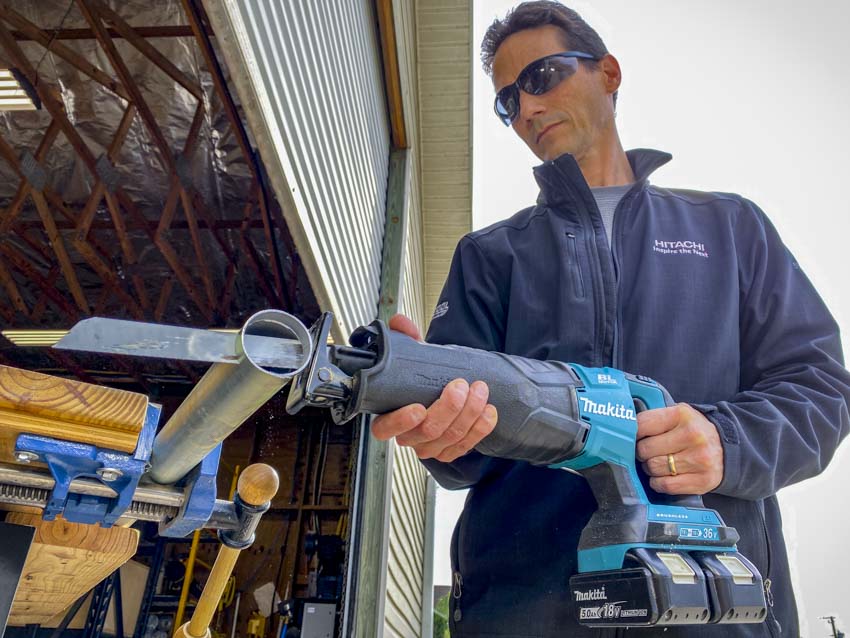
Credit: www.protoolreviews.com
Frequently Asked Questions
- How Do I Choose The Right Blade?
Selecting the right blade depends on the material you’re cutting, such as wood, metal, or plastic.
- What Safety Gear Do I Need?
Wear safety goggles, gloves, and ear protection to ensure safety while using a reciprocating saw.
- Can I Cut Through Metal With A Reciprocating Saw?
Yes, with the appropriate metal-cutting blade, a reciprocating saw can effectively cut through various metals.
- How Do I Maintain My Reciprocating Saw?
Keep the blades sharp, clean the saw regularly, and check for loose parts to ensure optimal performance.
- What Projects Are Best For A Reciprocating Saw?
It’s ideal for demolition, plumbing, and electrical work, making it perfect for both remodeling and repair projects.
Conclusion
Using a reciprocating saw can transform your DIY projects. Mastering this tool opens up endless possibilities for cutting wood, metal, and more.
Always prioritize safety by wearing protective gear. With practice, you’ll achieve clean, precise cuts effortlessly. Embrace the versatility of this saw and enhance your craftsmanship today!