Using an extension ladder can be intimidating. But with the right tips, it’s safe and easy.
Extension ladders are essential for reaching high places. They are perfect for tasks like painting, cleaning gutters, or trimming trees. Knowing how to use them correctly is crucial for your safety. This blog will guide you through the steps to use an extension ladder effectively.
Whether you’re a DIY enthusiast or a professional, these tips will help you work confidently. Let’s explore how to set up, secure, and safely climb an extension ladder. Your next project will be a breeze with these simple instructions. Ready to get started? Let’s dive in!

Credit: simplifiedsafety.com
Choosing The Right Ladder
Choosing the right ladder is crucial for safety and efficiency. A well-chosen ladder ensures you can reach your desired height safely. It also ensures the ladder is sturdy and durable. This section will guide you through the key factors to consider.
Material Selection
The material of your extension ladder affects its weight, strength, and cost. Here are the common materials:
- Aluminum: Light and resistant to rust. Ideal for most home uses.
- Fiberglass: Strong and non-conductive. Best for electrical work.
- Wood: Heavy and less durable. Suitable for short-term projects.
Height Considerations
Choosing the right height is vital for safety. Measure the height you need to reach and select a ladder accordingly. Here’s a simple guide:
| Reach Height | Ladder Height |
|---|---|
| 9-13 feet | 16 feet |
| 13-17 feet | 20 feet |
| 17-21 feet | 24 feet |
| 21-25 feet | 28 feet |
Always choose a ladder that’s slightly taller than your required height. This ensures you can work comfortably and safely.
Credit: www.dir.ca.gov
Inspection Before Use
Before using an extension ladder, inspect it thoroughly to ensure safety. This step is crucial to prevent accidents and ensure the ladder is in good condition. A proper inspection involves checking for any signs of damage and ensuring the ladder’s stability. Below are key points to consider during your inspection.
Checking For Damage
First, examine the ladder’s rungs and rails for any signs of wear and tear. Look for cracks, bends, or missing parts. Ensure all bolts and rivets are tight. Damaged parts can weaken the ladder and pose a safety risk.
- Check for rust or corrosion.
- Look for cracks in the rungs.
- Inspect the side rails for bends.
- Ensure all rivets are in place.
If you find any damage, do not use the ladder. Instead, repair or replace the damaged parts before use.
Ensuring Stability
Next, check the ladder’s stability. The ladder should not wobble or move when set up. Make sure the feet are intact and slip-resistant. A stable ladder ensures safe usage and prevents falls.
- Set up the ladder on a flat surface.
- Ensure all feet are touching the ground.
- Check for any wobbling or movement.
- Ensure the locking mechanisms work properly.
Stability is key for safety. If the ladder wobbles, adjust it until stable.
| Inspection Point | Action Required |
|---|---|
| Rungs and Rails | Check for cracks and bends. |
| Bolts and Rivets | Ensure they are tight. |
| Feet | Ensure they are slip-resistant. |
| Stability | Check for wobbling. |
Proper Setup Techniques
Using an extension ladder correctly is vital for safety. Proper setup techniques ensure stability and prevent accidents. In this section, we will cover two essential aspects: Securing the Base and achieving the Optimal Angle.
Securing The Base
Securing the base is the first step. Place the ladder on a firm, level surface. Avoid soft or slippery ground. If the surface is uneven, use ladder levelers. These tools help maintain stability.
- Ensure all feet of the ladder are firmly planted.
- Use anti-slip shoes if the ground is slippery.
- If possible, have someone hold the ladder base.
Checking for obstacles is crucial. Clear the area of any debris. Ensure the ladder base is not near any doorways. If it is, lock the doors to prevent sudden openings.
Optimal Angle
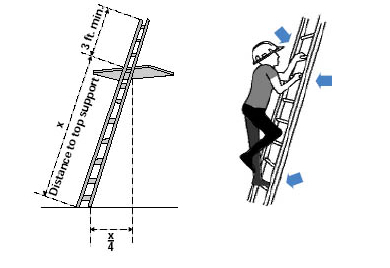
The ladder’s angle is critical for safety. An incorrect angle can lead to falls. Use the 4-to-1 rule for the optimal angle. For every four feet of ladder height, the base should be one foot away from the wall.
Here’s a simple way to check:
- Stand facing the ladder with your toes touching the base.
- Extend your arms straight forward.
- Your hands should reach the ladder’s rung at shoulder height.
Another method involves a level. Place a level on a rung. Adjust until the bubble centers. This ensures the ladder is at a safe angle.
Follow these steps for safe and secure ladder setup. Practice these techniques to gain confidence and ensure safety.
Climbing Safely
Using an extension ladder can be risky if not done safely. To prevent accidents, follow these essential safety tips. This guide focuses on climbing safely by maintaining proper balance and body positioning.
Three-point Contact
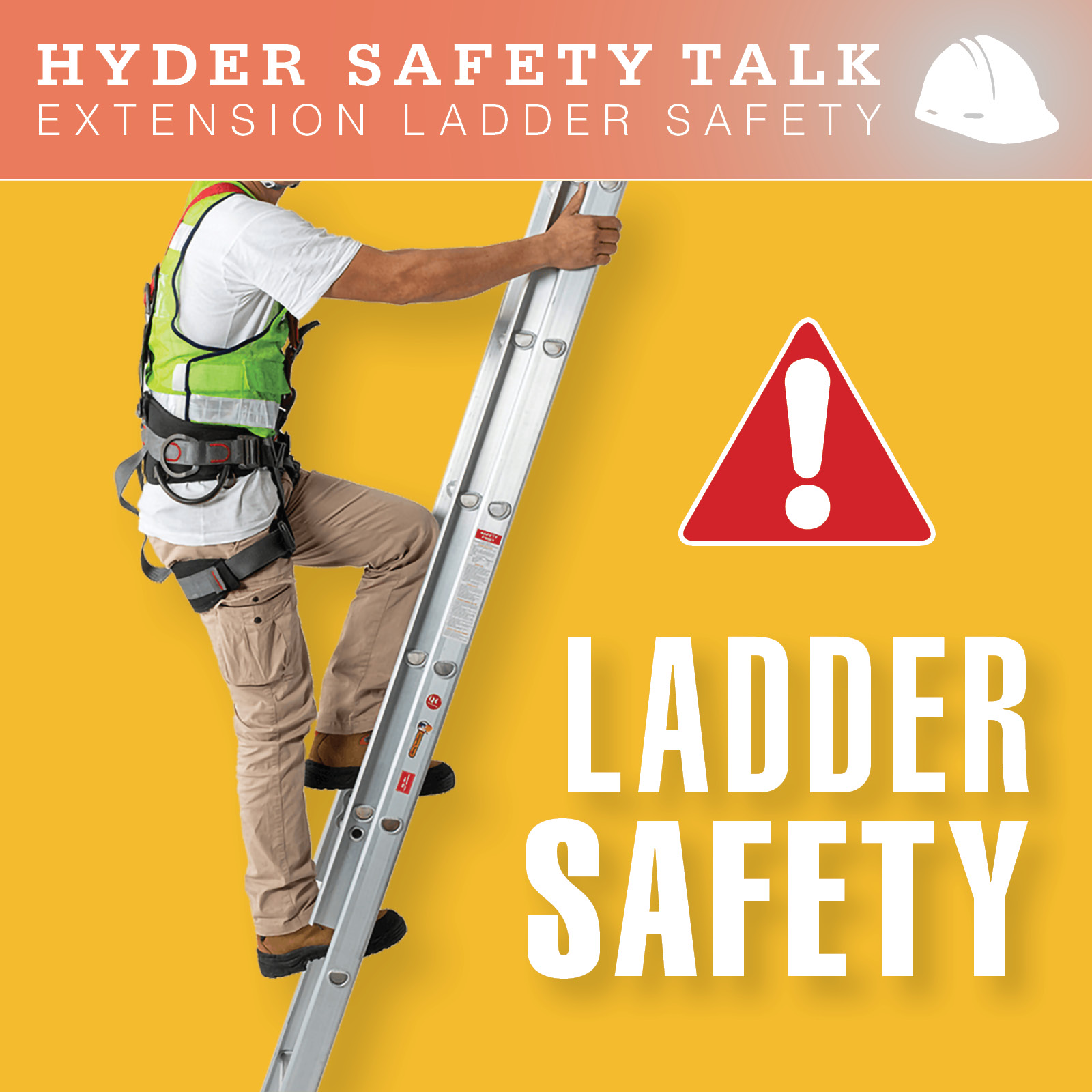
Always maintain three points of contact with the ladder. This means two hands and one foot, or two feet and one hand. This method ensures stability and reduces the risk of falling.
- Face the ladder when climbing.
- Keep your body centered between the side rails.
- Avoid sudden movements.
Avoiding Overreach
Overreaching is a common cause of ladder accidents. To avoid this, follow these tips:
- Keep your belt buckle between the ladder rails.
- Move the ladder instead of stretching to reach.
- Use a tool belt to keep tools handy.
Remember, overreaching can lead to losing balance. It’s safer to climb down and reposition the ladder.
| Dos | Don’ts |
|---|---|
| Keep three points of contact. | Don’t lean too far to one side. |
| Face the ladder when climbing. | Don’t carry heavy items while climbing. |
| Move the ladder if needed. | Don’t skip rungs while climbing. |
By following these tips, you can use your extension ladder safely and effectively. Always prioritize safety to avoid accidents.
Maintenance Tips
Maintaining your extension ladder ensures its longevity and safety. Proper care is essential for smooth operation and to avoid accidents. Here are some vital maintenance tips to keep your ladder in top shape.
Regular Cleaning
Regular cleaning is crucial to extend the life of your extension ladder. Dirt and debris can cause wear and tear. Follow these steps for effective cleaning:
- Use a soft brush to remove dust and dirt.
- Wipe down with a damp cloth and mild detergent.
- Rinse with clean water and dry thoroughly.
Avoid using harsh chemicals as they can damage the ladder’s material. Inspect the ladder for any signs of rust or corrosion during cleaning.
Storage Best Practices
Proper storage prevents damage and ensures your ladder remains in good condition. Follow these best practices:
- Store the ladder in a dry, cool place.
- Keep it away from direct sunlight and moisture.
- Ensure the ladder is stored horizontally on a flat surface.
Use wall hooks or brackets for vertical storage if space is limited. Always check for any damage before using the ladder again.
Emergency Procedures
Using an extension ladder can be risky. Knowing emergency procedures is crucial. This section covers what to do during emergencies. Be prepared and stay safe.
Handling Falls
Falls can happen. Stay calm and follow these steps:
- Call for help immediately.
- Check for injuries. Do not move the person unless necessary.
- Keep the person still. Avoid further injury.
- Provide reassurance. Stay with the person until help arrives.
Always have a phone nearby. Quick action can prevent serious harm.
First Aid Essentials
First aid knowledge is vital. Keep these essentials nearby:
| Item | Purpose |
|---|---|
| Bandages | Cover wounds |
| Antiseptic wipes | Clean cuts and scrapes |
| Ice pack | Reduce swelling |
| Pain relievers | Alleviate pain |
| Emergency contact list | Call for help |
Basic first aid skills can make a difference. Take a class if unsure about procedures. Being prepared is key.
Credit: www.hyderinc.com
Frequently Asked Questions
How Do You Safely Use An Extension Ladder?
Ensure the ladder is on stable ground. Maintain three points of contact. Do not overreach.
What Is The Proper Angle For An Extension Ladder?
Set the ladder at a 75-degree angle. Use the 4-to-1 rule: 1 foot out for every 4 feet up.
How Do You Secure An Extension Ladder?
Tie the top of the ladder to a sturdy support. Use ladder stabilizers if needed.
What Are The Common Extension Ladder Mistakes?
Overreaching, improper angle, not securing the ladder, and using damaged ladders. Avoid these for safety.
How Often Should You Inspect An Extension Ladder?
Inspect before each use. Check for damage, loose parts, and stability issues. Safety first.
Conclusion
Using extension ladders safely requires attention and care. Follow these tips for safe use. Always inspect your ladder before each use. Make sure it is stable and on solid ground. Secure the top and bottom of the ladder. Maintain three points of contact while climbing.
Avoid leaning too far to one side. By practicing these steps, you ensure safe and efficient ladder use. Stay vigilant and prioritize safety. Your tasks will be easier and safer. Happy climbing!