
Ladders are essential tools for many tasks. But how are ladders rated?
Ladder ratings ensure safety and reliability. They help users choose the right ladder for specific tasks. Understanding ladder ratings is crucial for both home and professional use. Different ratings indicate the ladder’s strength and maximum load capacity. This helps prevent accidents and ensures proper usage.
In this post, we will dive into the various ladder ratings, explaining what each rating means and why it matters. Knowing these details can make your ladder use safer and more efficient. Let’s explore how these ratings work and what you need to know before selecting a ladder.
Ladder Rating Systems
Ladders are essential tools for many tasks, from home repairs to professional construction. Understanding ladder ratings ensures safety and efficiency. Ladder rating systems classify ladders based on their strength and usage.
Types Of Ratings
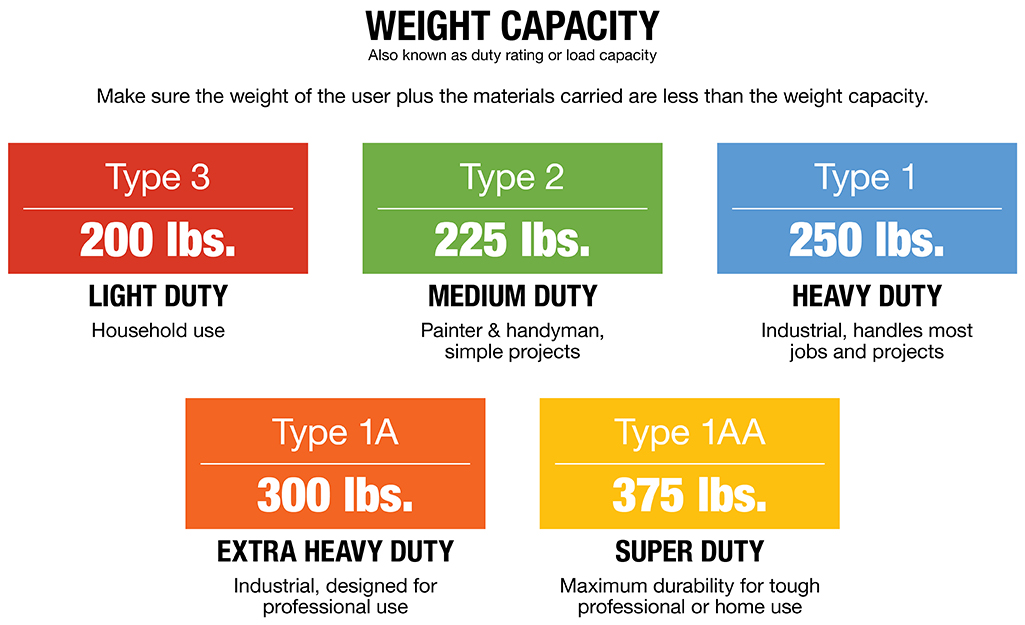
Ladders are rated based on their maximum load capacity and intended use. Here are the common ratings:
- Type IAA: Special-duty ladders with a 375-pound capacity.
- Type IA: Extra-heavy-duty ladders with a 300-pound capacity.
- Type I: Heavy-duty ladders with a 250-pound capacity.
- Type II: Medium-duty ladders with a 225-pound capacity.
- Type III: Light-duty ladders with a 200-pound capacity.
These ratings help users choose the right ladder for their needs.
Importance Of Ratings
Using the correct ladder rating is crucial for safety. Overloading a ladder can lead to accidents. Each rating indicates the ladder’s ability to handle specific weights and tasks.
For example, a Type IAA ladder is ideal for heavy-duty professional use. In contrast, a Type III ladder suits light household tasks.
Manufacturers test and certify ladders to meet these standards. This ensures reliability and safety. Always check the rating before purchasing a ladder.
Here’s a quick reference table for ladder ratings:
| Type | Usage | Load Capacity |
|---|---|---|
| Type IAA | Special-duty | 375 pounds |
| Type IA | Extra-heavy-duty | 300 pounds |
| Type I | Heavy-duty | 250 pounds |
| Type II | Medium-duty | 225 pounds |
| Type III | Light-duty | 200 pounds |
Material And Construction
The material and construction of a ladder significantly impact its rating. Different materials offer varied benefits and drawbacks. Understanding these can help you choose the right ladder for your needs.
Common Materials
Ladders are made from several common materials. Each has unique properties that affect its performance and rating.
- Aluminum: Lightweight and resistant to corrosion, aluminum ladders are easy to carry. They are also durable and suitable for many tasks.
- Fiberglass: Strong and non-conductive, fiberglass ladders are ideal for electrical work. They are heavier than aluminum but offer excellent stability.
- Wood: Traditional wooden ladders are sturdy and non-conductive. They can be heavier and need more maintenance to prevent damage.
Impact On Ratings
The material of the ladder affects its weight, durability, and safety. These factors influence the ladder’s rating.
| Material | Weight | Conductivity | Durability |
|---|---|---|---|
| Aluminum | Light | Conductive | High |
| Fiberglass | Heavy | Non-Conductive | High |
| Wood | Heavy | Non-Conductive | Moderate |
Aluminum ladders are rated for lightweight tasks due to their ease of transport. Fiberglass ladders are rated highly for electrical work because they do not conduct electricity. Wooden ladders are often used in environments where conductivity is a concern, but they require regular maintenance.
- Choose aluminum for general use and ease of transport.
- Select fiberglass for electrical tasks and stability.
- Opt for wood if non-conductivity is essential and maintenance is manageable.
Understanding these material properties helps in selecting the right ladder for your specific needs.
Load Capacity
Load Capacity is a critical aspect to consider when selecting a ladder. It determines how much weight the ladder can safely support. This includes the user’s weight, their clothing, and any tools or materials they might carry.
Weight Limits
Understanding the weight limits of ladders is essential for safety. Ladders are categorized into different types based on their load capacity:
- Type IAA: Supports up to 375 pounds
- Type IA: Supports up to 300 pounds
- Type I: Supports up to 250 pounds
- Type II: Supports up to 225 pounds
- Type III: Supports up to 200 pounds
Make sure to choose a ladder that suits your needs. If you are carrying heavy tools, select a ladder with a higher capacity.
User Guidelines
User guidelines are crucial for safe ladder use. Here are some important tips:
- Always check the ladder’s weight rating before use.
- Ensure the ladder is on a stable surface.
- Do not exceed the weight limit, including tools and materials.
- Inspect the ladder for any damage or wear before climbing.
- Follow the manufacturer’s instructions for proper use.
Adhering to these guidelines will help prevent accidents and injuries. Safety should always be your top priority when using a ladder.

Credit: www.wernerparts.com
Safety Standards
Understanding safety standards for ladders is crucial for ensuring workplace safety. These standards help prevent accidents and injuries. Knowing how ladders are rated can make a significant difference. Here, we discuss the regulatory bodies and compliance requirements.
Regulatory Bodies
Several regulatory bodies oversee ladder safety standards. These organizations set rules and guidelines. They ensure ladders are safe to use. Here are the main regulatory bodies:
- Occupational Safety and Health Administration (OSHA): OSHA sets standards for workplace safety.
- American National Standards Institute (ANSI): ANSI provides guidelines for product safety and quality.
- European Committee for Standardization (CEN): CEN sets safety standards in Europe.
Compliance Requirements
Compliance with safety standards is mandatory. Ladders must meet specific requirements to be sold. These requirements ensure the ladders are safe for use. Here are some common compliance requirements:
- Load Capacity: Ladders must support a specific weight limit.
- Material Quality: Ladders must be made of durable materials.
- Design Specifications: Ladders must have certain design features. These include non-slip steps and secure locks.
Manufacturers must test ladders to ensure they meet these requirements. Regular inspections are also necessary to maintain compliance.
Inspection And Maintenance
Proper inspection and maintenance of ladders are crucial to ensure safety and longevity. Regular checks and timely repairs can prevent accidents and prolong the life of your ladder. Let’s dive into the steps for maintaining your ladder effectively.
Routine Checks
Performing routine checks helps identify potential issues early. Here are some steps for your routine inspections:
- Check for any visible damage such as cracks, bends, or corrosion.
- Ensure all rungs and steps are firmly attached and secure.
- Inspect hinges and locks to ensure they function correctly.
- Verify that the ladder’s feet are in good condition and provide proper grip.
Regularly inspecting your ladder can prevent accidents and ensure it remains reliable.
Repair Protocols
If your ladder shows signs of wear or damage, follow these repair protocols:
- Identify the issue and assess the extent of the damage.
- If the ladder has minor issues, such as loose rungs, tighten them using appropriate tools.
- For significant damage like cracks or severe bends, consider replacing the affected parts or the entire ladder.
- Never use a damaged ladder that cannot be repaired safely. Always prioritize safety.
Following these repair protocols ensures your ladder remains safe and functional.
| Inspection Item | Check Frequency | Action |
|---|---|---|
| Rungs and Steps | Monthly | Secure if loose |
| Hinges and Locks | Monthly | Lubricate and test |
| Ladder Feet | Monthly | Replace if worn |
| Overall Structure | Quarterly | Repair or replace |
Sticking to a regular inspection and repair schedule maintains the ladder’s integrity and safety.
Credit: www.homedepot.com
Choosing The Right Ladder
Choosing the right ladder can be a daunting task. There are many types, ratings, and materials to consider. Understanding these factors ensures safety and efficiency in your tasks. This section will help you make an informed decision.
Use Case Scenarios
Before buying a ladder, think about what you need it for. Different ladders serve different purposes. Below are some common use cases:
- Home Maintenance: Cleaning gutters, painting, changing light bulbs.
- Construction: Heavy-duty tasks, reaching high places.
- Professional Use: Electricians, window cleaners, roofers.
Each scenario may require a different type of ladder. Understanding your needs helps narrow down your options.
Buying Tips
Here are some tips to help you buy the right ladder:
- Check the Ladder Rating: Ensure it matches your weight and task requirements.
- Choose the Right Height: Measure the height you need to reach. Add a few feet for safety.
- Consider Material: Aluminum is lightweight and rust-resistant. Fiberglass is sturdy and non-conductive.
- Safety Features: Look for slip-resistant steps and stabilizing bars.
- Storage and Portability: Foldable ladders are easier to store and transport.
Remember, safety is the most important factor. Never compromise on quality to save money.
Credit: www.laddersukdirect.co.uk
Frequently Asked Questions
What Are Ladder Rating Types?
Ladders are rated by their duty rating. Types include Type I, Type IA, and Type II.
How Do Ladder Ratings Work?
Ladder ratings indicate the maximum weight capacity. Higher ratings mean the ladder can hold more weight.
What Does Type I Ladder Mean?
Type I ladders can hold up to 250 pounds. They are suitable for heavy-duty tasks.
Why Are Ladders Rated?
Ladders are rated for safety. Ratings help users choose the right ladder for their needs.
Can Ladder Ratings Affect Safety?
Yes, using the wrong ladder can be dangerous. Always choose a ladder with the correct rating for the job.
Conclusion
Understanding ladder ratings ensures safety and efficiency for all tasks. Choose the right ladder for your needs. Always check the label before buying. Keep in mind the load capacity and height. Safety should be your top priority. Proper ladder choice prevents accidents.
Share this knowledge with friends and family. Stay safe and work smart with the correct ladder. Happy climbing!