Ladders should be inspected regularly to ensure safety. But how often is enough?
Safety is a top priority when using ladders. Regular inspections help prevent accidents and injuries. Knowing the right inspection frequency can make a big difference. In this blog post, we will dive into the recommended intervals for ladder inspections. We will also discuss why these inspections are crucial for maintaining a safe work environment.
Whether you’re a homeowner or a professional, understanding ladder safety is key. Stay with us to learn more about keeping your ladders in top condition and ensuring they are safe for use.
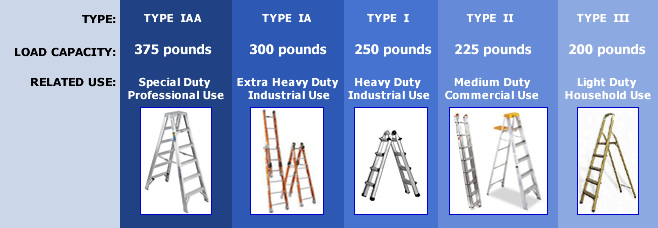
Credit: www.dir.ca.gov
Importance Of Ladder Inspections
Regular ladder inspections are essential. They ensure safety and compliance. Ladders are common tools in many workplaces and homes. Yet, they often go unnoticed until an accident happens. Knowing the importance of inspecting ladders can prevent these accidents.
Preventing Accidents
Accidents can happen anytime. Faulty ladders are a common cause. Regular inspections help identify potential issues. Broken rungs, loose screws, and bent frames can lead to falls. Inspections ensure ladders are safe to use.
Here are some common ladder issues to look for:
- Broken rungs
- Loose screws
- Bent frames
- Missing parts
Ensuring Compliance
Following safety regulations is crucial. Many industries have strict ladder safety rules. Regular inspections ensure compliance with these rules. Non-compliance can lead to fines and legal issues.
| Inspection Frequency | Reason |
|---|---|
| Daily | High usage |
| Weekly | Moderate usage |
| Monthly | Low usage |
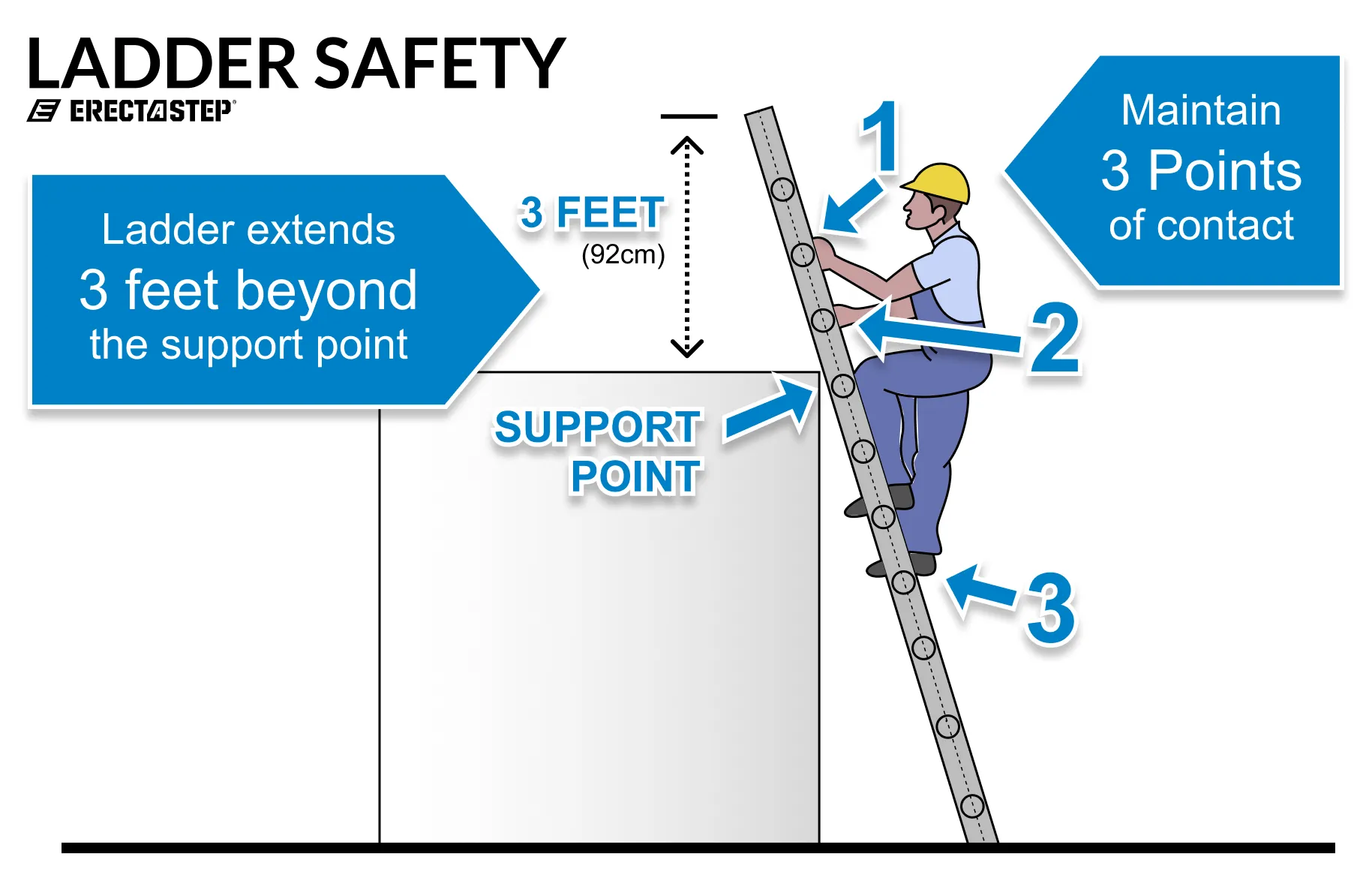
Credit: www.erectastep.com
Types Of Ladders And Inspection Needs
Ladders are essential tools in many industries and households. But they need regular inspections to ensure safety. Different types of ladders have unique inspection needs. Let’s explore two common types: step ladders and extension ladders.
Step Ladders
Step ladders are self-supporting. They have flat steps and a hinged design. These ladders are common in homes and workplaces.
Inspect step ladders regularly to prevent accidents. Check the following areas:
- Steps: Look for cracks, bends, or broken steps.
- Hinges: Ensure they move smoothly and lock properly.
- Feet: Check for rubber caps. They provide grip and stability.
Inspect step ladders before each use. And, conduct a thorough inspection monthly. Create a checklist to track inspections.
Extension Ladders
Extension ladders are adjustable in length. They are ideal for reaching high places. These ladders require special attention during inspections.
For extension ladders, focus on these areas:
- Rungs: Ensure they are straight and secure.
- Locks: Test the locking mechanisms for proper function.
- Rope and Pulley: Check for wear and tear. Ensure smooth operation.
- Feet: Look for secure rubber pads. They prevent slipping.
Inspect extension ladders before each use. Also, perform a detailed inspection every three months. Keep a record of all inspections.
Regular ladder inspections are crucial for safety. Follow these guidelines to keep your ladders in top condition.
Inspection Frequency Guidelines
Regular ladder inspections are critical for safety. These checks help identify any damage or wear. Following a strict inspection schedule ensures ladders remain safe and functional. Below are the recommended inspection frequency guidelines.
Daily Checks
Daily checks are essential for ladder safety. Before each use, perform a quick visual inspection. Look for any visible damage or wear.
- Check for cracks or bends in the rungs and rails.
- Ensure all moving parts are secure.
- Verify that the ladder is clean and free from oil or grease.
- Confirm that the feet are intact and provide good grip.
Daily checks help detect immediate issues. They ensure the ladder is safe to use every day.
Periodic Professional Inspections
Periodic professional inspections are more thorough. These should be conducted by a qualified professional. Schedule these inspections every three to six months.
- Inspect the ladder for structural integrity.
- Check for corrosion or rust on metal ladders.
- Ensure all components meet safety standards.
- Test the stability and strength of the ladder.
Professional inspections identify deeper issues. They ensure long-term ladder safety.
Following these guidelines helps maintain ladder safety. Regular inspections prevent accidents and injuries.
Common Ladder Defects
Regular ladder inspections are critical to ensure safety and longevity. Knowing the common ladder defects can help you identify issues early. This section covers two main types of defects: structural issues and wear and tear.
Structural Issues
Structural issues can compromise ladder safety. Look out for the following:
- Cracks in the frame: Cracks can appear in any part of the ladder. They weaken the structure.
- Loose rungs: Rungs must be firmly attached. Loose rungs can cause falls.
- Bent side rails: Side rails should be straight. Bent rails reduce ladder stability.
Wear And Tear
Wear and tear are common with frequent use. Some signs include:
- Worn-out feet: Ladder feet should be in good condition. Worn feet can slip.
- Corrosion: Metal ladders can rust over time. Rust weakens the ladder.
- Frayed ropes: Extension ladders have ropes. Check for fraying or cuts.
Inspect ladders regularly for these defects. Safety should always come first.
Inspection Best Practices
Regular ladder inspections are crucial for safety. Implementing inspection best practices can prevent accidents and ensure compliance with safety standards. This section provides actionable steps to enhance ladder inspection routines.
Checklists
Creating a detailed checklist can streamline the inspection process. A checklist should include:
- Visual Inspection: Check for cracks, bends, and rust.
- Stability: Test for wobbling or instability.
- Rungs and Steps: Ensure they are secure and intact.
- Locks and Braces: Verify they are functioning properly.
- Labels and Instructions: Confirm they are readable and present.
Using a checklist helps maintain consistency and thoroughness in inspections.
Training Programs
Training workers on ladder safety is essential. Effective training programs should cover:
- Understanding different ladder types and their uses.
- Recognizing and reporting potential hazards.
- Proper ladder setup and usage techniques.
- Emergency procedures in case of an accident.
Regular training ensures that everyone is knowledgeable about ladder safety and inspection protocols.
Consequences Of Neglecting Inspections
Regular ladder inspections are crucial for safety and compliance. Neglecting them can have serious consequences. Below, we explore the impact of not inspecting ladders regularly.
Increased Risk Of Injuries
Failing to inspect ladders increases the risk of accidents. Damaged or worn ladders can cause slips, trips, and falls. These injuries can be severe, leading to broken bones or even head injuries.
Regular inspections help identify potential hazards. Fixing these issues can prevent accidents. This keeps everyone safe and reduces the risk of injury.
Legal And Financial Implications
Ignoring ladder inspections can lead to legal troubles. Workplace safety regulations require regular inspections. Failure to comply can result in fines and penalties.
Additionally, accidents caused by faulty ladders can lead to lawsuits. Victims may seek compensation for medical bills and lost wages. This can be financially draining for businesses.
Regular inspections can help avoid these legal and financial issues. Ensuring ladders are safe protects both workers and the company’s bottom line.

Credit: brownssafetyservices.co.uk
Frequently Asked Questions
How Often Should Ladders Be Inspected?
Ladders should be inspected before each use. Regular checks ensure safety.
What Should I Look For During A Ladder Inspection?
Check for cracks, loose rungs, and worn out parts. Ensure stability.
Are There Different Inspection Guidelines For Different Ladder Types?
Yes, follow manufacturer guidelines for specific ladder types. Each ladder may have unique inspection needs.
Who Is Responsible For Ladder Inspections In A Workplace?
Employers are responsible for regular ladder inspections. Safety regulations require it.
What Happens If A Ladder Is Not Inspected Regularly?
Uninspected ladders can lead to accidents. Regular inspections prevent risks and ensure safety.
Conclusion
Regular ladder inspections ensure safety and prevent accidents. Check ladders before each use. Look for cracks, bends, and loose parts. Ensure stability and proper function. Inspecting ladders monthly is advisable for frequent users. For occasional users, inspect quarterly. Document findings and repairs.
Regular maintenance extends ladder life. Always follow manufacturer guidelines. Safety matters most. Keep ladders in good condition. Protect yourself and others. Stay safe.