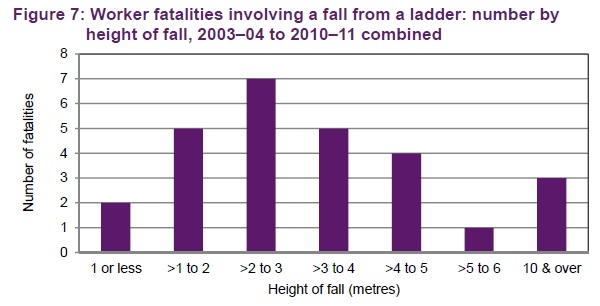
Most falls from ladders occur from a height of six to ten feet. This may surprise many, but it’s true.
Falls from ladders are a common cause of injuries. Many people think only high falls are dangerous. But most accidents happen at lower heights. This makes ladder safety crucial. Understanding the common heights where falls happen can help prevent accidents.
Whether at work or home, knowing this can keep you safe. Let’s explore why falls from these heights are so frequent and how to stay safe.
Credit: prochoicesafetygear.com
Shocking Ladder Fall Statistics
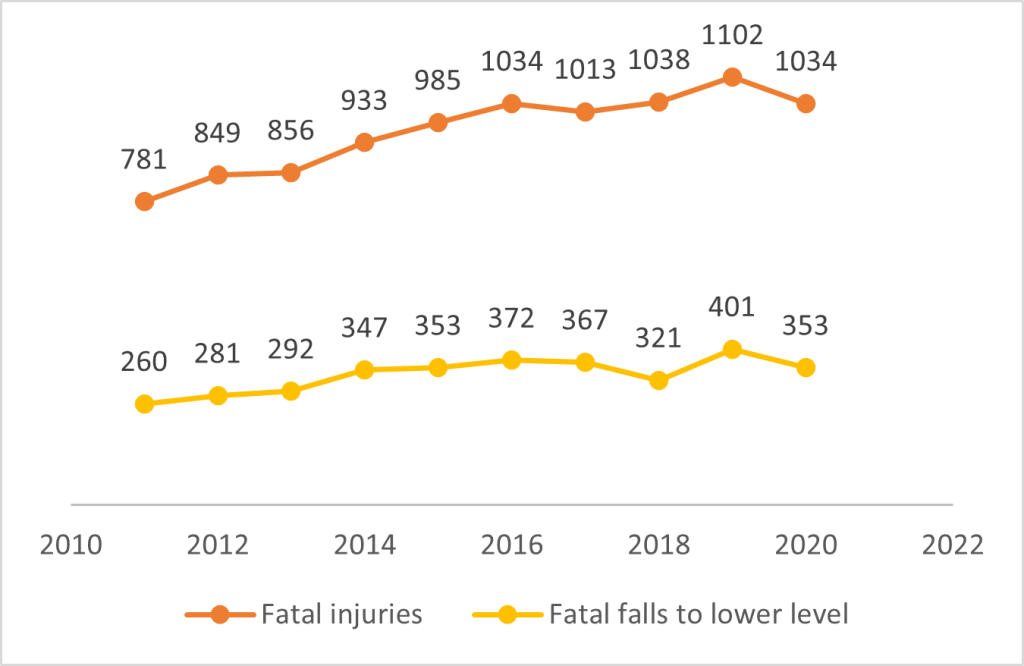
Ladder falls are more common than many people realize. Every year, thousands of individuals end up in emergency rooms due to ladder-related accidents. Understanding the heights from which most falls occur can help in preventing these incidents. Let’s dive into some surprising statistics and debunk common myths.
Unexpected Heights
Many assume that most ladder falls happen from great heights. Surprisingly, most falls occur from heights of 10 feet or less. These seemingly small falls can result in serious injuries.
| Height Range | Percentage of Falls |
|---|---|
| 0-5 feet | 30% |
| 6-10 feet | 40% |
| 11-15 feet | 20% |
| 16+ feet | 10% |
Common Misconceptions
Several misconceptions exist about ladder safety. Many believe that falling from lower heights is less dangerous. This is not always true. Falls from even 5 feet can cause severe injuries.
Another common myth is that experienced individuals are less likely to fall. Data shows that experience does not always prevent falls. It’s crucial to follow safety guidelines regardless of experience level.
- Always use ladders on stable ground.
- Do not overreach while on a ladder.
- Ensure the ladder is fully extended and locked.
By being aware of these statistics and misconceptions, you can take steps to stay safe on ladders.
Credit: blogs.cdc.gov
Analyzing Ladder Fall Data
Understanding the heights from which most ladder falls occur is crucial for safety. By analyzing ladder fall data, we can identify key trends and patterns. This helps in creating effective safety measures.
Data Sources
Various organizations collect data on ladder falls. These include:
- Occupational Safety and Health Administration (OSHA)
- National Institute for Occupational Safety and Health (NIOSH)
- Centers for Disease Control and Prevention (CDC)
These sources provide detailed reports on ladder-related accidents. They include information about the height of the fall and the severity of injuries.
Trends And Patterns
Data analysis reveals common trends in ladder falls. Most falls occur from ladders under 10 feet. Specifically:
| Height (Feet) | Percentage of Falls |
|---|---|
| 0-5 | 40% |
| 6-10 | 35% |
| 11-15 | 15% |
| 16+ | 10% |
This data shows that most falls occur from a height of 10 feet or less. These falls often result in serious injuries.
Patterns also show that many falls happen during simple tasks. Examples include:
- Changing a light bulb
- Cleaning gutters
- Painting walls
Understanding these trends helps improve ladder safety practices. Always use ladders with caution, even at lower heights.
Critical Heights For Ladder Falls
Ladder falls can be dangerous and often result in serious injuries. Understanding the critical heights for ladder falls can help in preventing accidents. Many people assume that only high falls are risky, but even short falls can cause significant harm. Let’s explore the most frequent heights for ladder falls and the severity of injuries at different heights.
Most Frequent Heights
Most ladder falls occur from heights between 6 to 10 feet. This range is common for household chores and small projects. Falls from these heights are frequent because people often feel secure at these levels. They might not take proper precautions, thinking it’s a safe height.
| Height Range (feet) | Percentage of Falls |
|---|---|
| 0-5 | 15% |
| 6-10 | 40% |
| 11-15 | 25% |
| 16-20 | 10% |
| 21+ | 10% |
As the table shows, 40% of ladder falls happen from 6 to 10 feet. While 25% occur from 11 to 15 feet. These statistics highlight the importance of safety measures even at lower heights.
Severity Of Injuries
The severity of injuries can vary based on the height of the fall. Falls from lower heights, like 0-5 feet, often result in minor injuries. These might include bruises and small cuts. However, falls from higher heights can cause more serious injuries.
- 6-10 feet: Fractures, sprains, and head injuries are common.
- 11-15 feet: Broken bones and severe head injuries.
- 16-20 feet: Risk of spinal injuries and multiple fractures.
- 21+ feet: High risk of fatal injuries.
Knowing the risks associated with different heights is essential. It helps in taking necessary precautions. Always use a ladder with care, regardless of the height you’re working at.
Factors Contributing To Ladder Falls
Ladder falls can cause serious injuries. Understanding the factors that lead to these falls can help prevent them. Two main factors often contribute: user errors and environmental factors.
User Errors
User errors are common with ladder use. These mistakes usually stem from poor judgment or lack of knowledge. Here are some frequent errors:
- Incorrect ladder placement: Leaning the ladder at the wrong angle.
- Overreaching: Trying to reach too far instead of moving the ladder.
- Skipping steps: Climbing too quickly and missing rungs.
- Ignoring weight limits: Overloading the ladder beyond its capacity.
Environmental Factors
The environment can also play a big role in ladder falls. These external factors are often out of the user’s control. Common environmental factors include:
- Slippery surfaces: Wet or oily floors can cause the ladder to slip.
- Uneven ground: Placing a ladder on uneven surfaces can make it unstable.
- Poor lighting: Low visibility can lead to missteps and falls.
- Weather conditions: Wind or rain can destabilize the ladder.
Being aware of these factors can help reduce the risk of ladder falls. Always use ladders with caution and ensure the environment is safe.
Preventing Ladder Falls
Falls from ladders are common and dangerous. Most falls happen from a height of 10 feet or less. Understanding and practicing ladder safety can prevent many accidents. This section will cover essential safety measures and proper ladder usage.
Safety Measures
Ladder falls often result from improper use. To stay safe, follow these tips:
- Inspect the ladder for damage before use.
- Ensure the ladder is on a stable, flat surface.
- Wear non-slip shoes to avoid slipping.
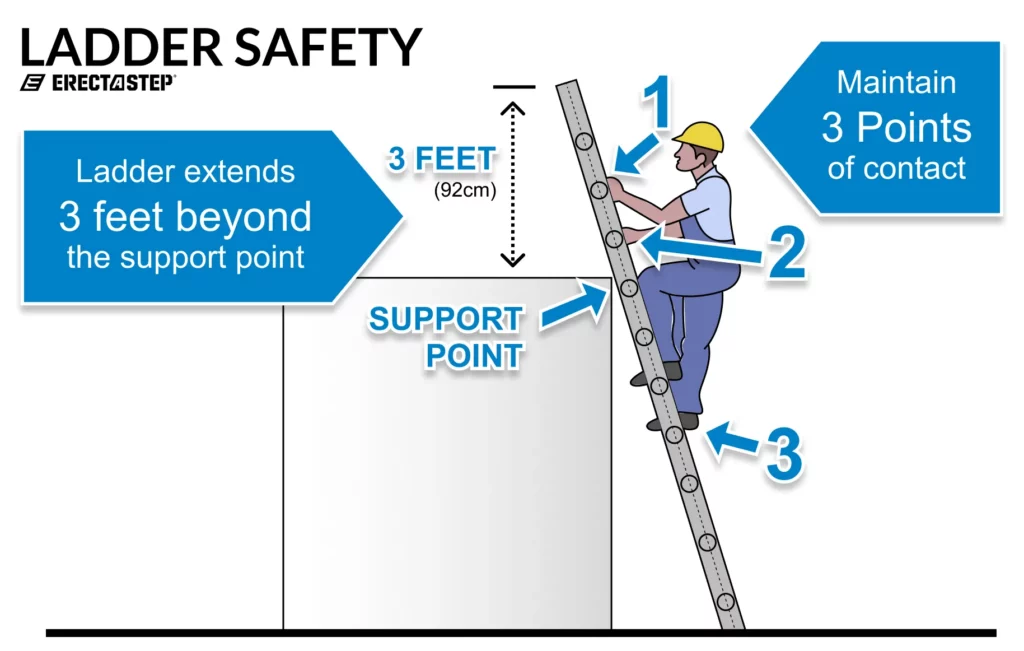
- Maintain three points of contact with the ladder.
- Do not overreach; keep your body centered.
Employing these measures reduces the risk of falls and injuries.
Proper Ladder Usage
Using a ladder correctly is crucial for safety. Follow these steps:
- Choose the right ladder for the task.
- Check the ladder’s weight capacity.
- Set the ladder at the correct angle: 75 degrees.
- Climb slowly and deliberately.
- Never stand on the top two rungs.
Proper usage ensures stability and prevents accidents.
Remember, ladder safety is essential. Taking these steps can save lives and prevent injuries.
Impact Of Ladder Fall Injuries
Ladder falls can lead to serious injuries. The height of the fall plays a crucial role. Most falls from ladders occur from a height of 10 feet or less. Understanding the impact of these injuries can help prevent them.
Economic Costs
Ladder fall injuries can be expensive. Medical bills add up quickly. Victims often need surgery, physical therapy, and long-term care. These costs can be a burden.
There are indirect costs too. Injured workers miss work. Productivity drops. Businesses suffer. Insurance premiums can also rise. These expenses affect everyone.
Personal Stories
Personal stories highlight the impact of ladder fall injuries. Consider John, a carpenter. He fell from a ladder while fixing a roof. The fall was from just 8 feet. He broke his leg and wrist.
John couldn’t work for six months. His medical bills were high. His family struggled financially. John’s story shows the real-life impact of ladder falls.
Another story is about Sarah, a painter. She fell from a ladder while painting a house. The fall was from 6 feet. She suffered a concussion and back injury. Sarah’s recovery took a year. She needed extensive physical therapy.
These stories are common. They show how ladder falls affect lives. By sharing these stories, we hope to raise awareness. Ladder safety is important. Let’s work together to prevent injuries.
Credit: www.erectastep.com
Frequently Asked Questions
What Height Do Most Ladder Falls Occur From?
Most ladder falls occur from heights between 6 to 10 feet. This height is common for many tasks.
Why Are Falls From Ladders Common?
Falls from ladders are common due to improper use and lack of stability. People often overreach or misstep.
How Can Ladder Falls Be Prevented?
Ladder falls can be prevented by ensuring proper ladder setup, maintaining three points of contact, and not overreaching.
What Injuries Result From Ladder Falls?
Ladder falls can cause injuries like fractures, sprains, and head injuries. These can be serious and require medical attention.
Are There Safety Guidelines For Ladder Use?
Yes, safety guidelines include inspecting the ladder, using it on a stable surface, and not exceeding the weight limit.
Conclusion
Falls from ladders often happen at surprisingly low heights. Most accidents occur between 6 to 10 feet. This height can cause serious injuries. Always stay cautious, even at low heights. Use proper ladder techniques. Ensure the ladder is stable before climbing.
Wear appropriate footwear for better grip. Follow safety guidelines to prevent accidents. Be mindful of your surroundings. Stay safe and aware. Your safety is in your hands.