An aluminum articulated ladder is versatile and useful. It can bend, fold, and extend.
But, there are times when it is not the best choice. Safety is crucial when using any ladder, especially an aluminum one. Certain situations demand more stability or strength than an aluminum articulated ladder can offer. For example, high voltage areas or uneven surfaces.
In these cases, using the wrong ladder can lead to serious accidents. Understanding these scenarios helps in making safer choices. This blog explores when to avoid using an aluminum articulated ladder. It highlights critical situations to consider for your safety and efficiency. Let’s dive into the details to ensure you pick the right ladder for every job.
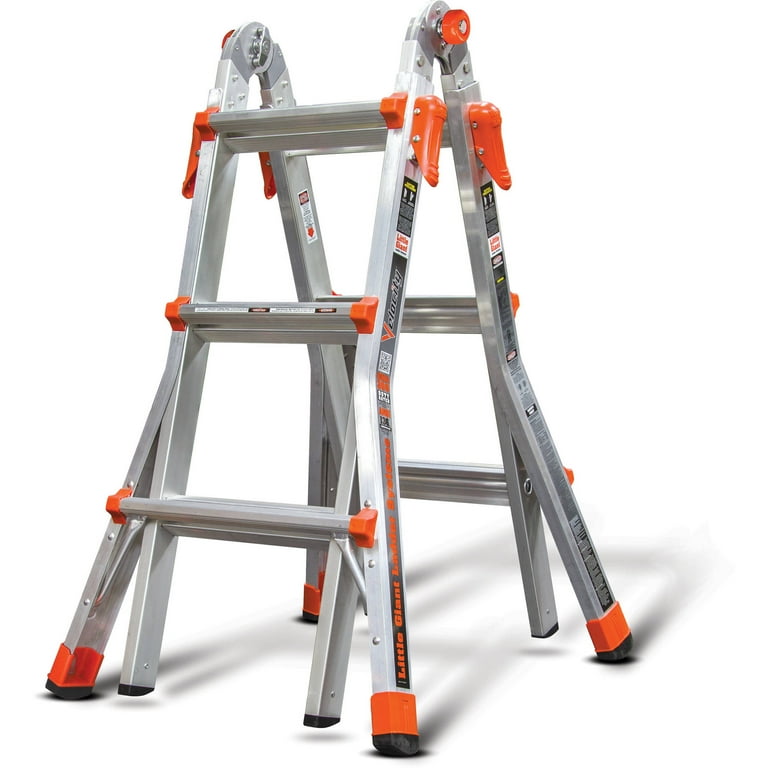
Credit: www.walmart.com
Introduction To Aluminum Articulated Ladders
Aluminum articulated ladders are versatile and highly useful tools. They can be adjusted into various positions, making them suitable for different tasks. This section will give you an overview of what these ladders are and their common uses.
What They Are
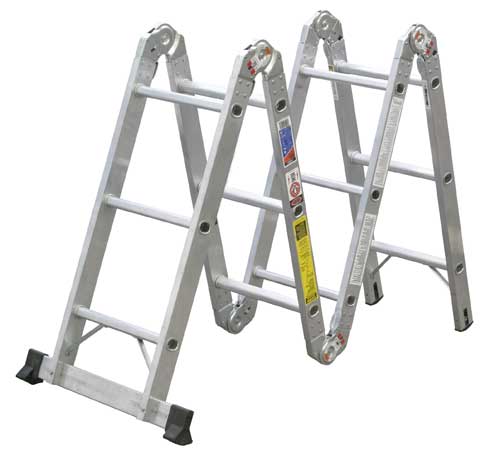
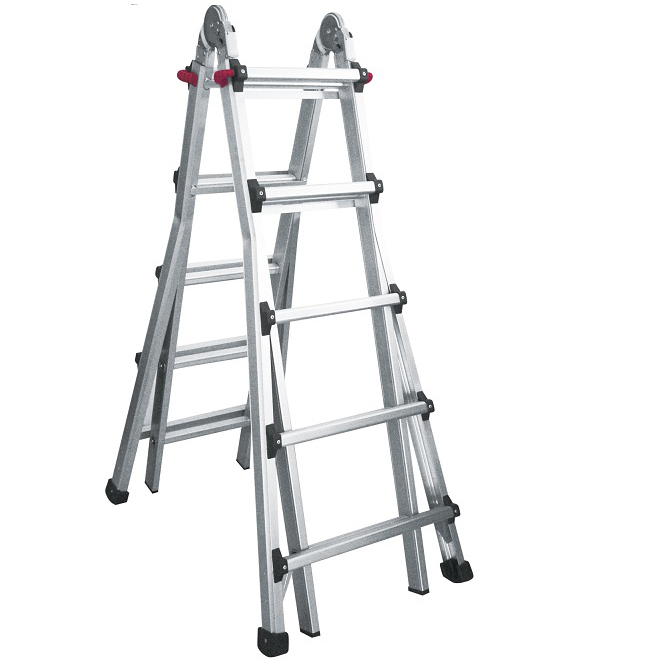
Aluminum articulated ladders are made of lightweight aluminum. They have multiple joints, allowing them to bend and lock into various shapes. You can use them as a step ladder, extension ladder, or scaffold. This flexibility makes them popular among DIY enthusiasts and professionals.
Common Uses
Aluminum articulated ladders are used in many settings. Here are some common uses:
- Home Repairs: Ideal for painting walls and fixing ceilings.
- Outdoor Work: Useful for cleaning gutters and trimming trees.
- Construction: Handy for reaching high places on job sites.
- Events: Setting up decorations and lighting.
- Storage: Accessing high shelves in garages or warehouses.
These ladders are praised for their strength and durability. They can support a significant amount of weight, making them reliable for various tasks.
But, there are situations where you should avoid using an aluminum articulated ladder. Understanding these scenarios can help prevent accidents and ensure safety.
Credit: www.americanladderinstitute.org
Weight Limitations
Understanding the weight limitations of an aluminum articulated ladder is crucial. Knowing these limits ensures safety and prevents accidents. Let’s dive deeper into the key aspects related to the weight limitations.
Maximum Load Capacity
Every aluminum articulated ladder comes with a specified maximum load capacity. This includes the weight of the user and any tools or materials they carry. Exceeding this limit can lead to serious risks. Typically, these ladders support between 250 to 300 pounds.
| Type of Ladder | Maximum Load Capacity |
|---|---|
| Type I | 250 pounds |
| Type IA | 300 pounds |
| Type IAA | 375 pounds |
Risks Of Overloading
Exceeding the maximum load capacity poses significant risks. The ladder might buckle or collapse, causing severe injuries. Always check the load rating before use.
Here are some potential risks of overloading:
- Structural damage to the ladder.
- Increased chance of accidents and injuries.
- Compromised stability and balance.
To ensure safety, follow these steps:
- Check the ladder’s load rating.
- Weigh yourself and your tools.
- Ensure the total weight is below the ladder’s limit.
Remember, safety first! Avoid overloading to prevent accidents.
Electrical Hazards
Using an aluminum articulated ladder near electrical sources can be dangerous. Aluminum is a metal that conducts electricity well. This can lead to serious injuries or even death. Understanding the risks can help you stay safe.
Conductivity Concerns
Aluminum ladders are excellent conductors of electricity. If the ladder touches a live wire, electricity will travel through it. This can result in severe electric shock. Remember, even brief contact can be harmful.
Consider these risks before using an aluminum ladder:
- Working near power lines
- Changing light bulbs in high ceilings
- Repairing electrical outlets
In these situations, the risk of electrocution is high. Safety should always come first.
Safe Alternatives
To avoid electrical hazards, choose non-conductive ladders. Fiberglass ladders are a great option. They do not conduct electricity. This makes them safer for electrical work.
Here are some benefits of fiberglass ladders:
| Fiberglass Ladders | Aluminum Ladders |
|---|---|
| Non-conductive | Conductive |
| Safe near power lines | Unsafe near power lines |
| Durable | Lightweight |
Fiberglass ladders provide a safer alternative for electrical work. They may be heavier than aluminum ladders, but the safety benefits outweigh the inconvenience.
Consider the job at hand. Is there a risk of contact with electricity? If yes, choose a fiberglass ladder.
Weather Conditions
Using an aluminum articulated ladder in various weather conditions can be risky. Knowing when to avoid this type of ladder helps ensure your safety. Specific weather conditions like rain, moisture, and wind can make using the ladder dangerous. Here, we discuss these risks in detail.
Rain And Moisture Risks
Rain and moisture make the ladder surface slippery. This increases the risk of slipping and falling. Aluminum, being a metal, can also conduct electricity. Wet conditions heighten the risk of electric shock if the ladder contacts live wires.
Important points to consider:
- Slippery surfaces due to water
- Increased risk of electric shock
- Reduced stability
Wind Stability Issues
Strong winds can destabilize an aluminum articulated ladder. This is due to its lightweight nature. Even a moderate gust can cause imbalance, leading to falls.
Preventive measures:
- Avoid using the ladder in windy conditions.
- Secure the ladder firmly if necessary.
- Consider using a heavier ladder in windy areas.
| Weather Condition | Risk | Recommendation |
|---|---|---|
| Rain and Moisture | Slippery surface, electric shock | Avoid use, ensure dry conditions |
| Windy | Stability issues, falls | Use in calm weather or secure firmly |
Remember, your safety comes first. Always check the weather before using an aluminum articulated ladder.
Surface Considerations
An aluminum articulated ladder is versatile and useful. But, using it on the wrong surface can be dangerous. This section will cover important surface considerations when using this ladder.
Uneven Ground
Setting up your ladder on uneven ground is risky. The ladder may wobble or tip over. Always check the ground before setting up the ladder. Ensure the surface is flat and stable.
Use these tips to stay safe:
- Clear any debris or obstacles.
- Use a ladder leveler if needed.
- Test the ladder’s stability before climbing.
Slippery Floors
Slippery floors can cause the ladder to slide. Avoid using the ladder on wet or oily surfaces. These include:
- Tiled floors
- Polished wood
- Wet concrete
To reduce risk:
- Dry the surface before setting up the ladder.
- Place rubber mats under the ladder’s feet.
- Wear non-slip shoes.
Taking these precautions ensures a safer experience.
Credit: www.alibaba.com
Maintenance And Wear
Maintaining an aluminum articulated ladder is essential for safety and longevity. Over time, ladders can wear out or get damaged. Recognizing the signs of wear and tear can prevent accidents. Regular inspections ensure the ladder remains in good condition. This section will guide you on what to look for and how to maintain your ladder effectively.
Signs Of Damage
Visual inspection is the first step in identifying damage. Look for cracks, bends, or dents in the ladder’s structure. Loose or missing rivets can compromise stability. Check the rungs and hinges for any signs of wear.
Pay attention to the ladder’s feet. Worn or damaged feet can cause slipping. Also, inspect the locking mechanisms. Ensure they function correctly and hold the ladder securely in place.
Regular Inspections
Performing regular inspections can prevent accidents. Follow a simple checklist to ensure the ladder’s safety. Start with a visual inspection of the entire ladder. Look for any visible signs of wear or damage.
Next, check the moving parts. Ensure the hinges and locks operate smoothly. Test the ladder’s stability by setting it up and applying light pressure. If the ladder wobbles or feels unstable, it may need repair or replacement.
| Inspection Task | Frequency |
|---|---|
| Visual Inspection | Before each use |
| Check Hinges and Locks | Monthly |
| Test Stability | Quarterly |
By following these guidelines, you can maintain your aluminum articulated ladder in top condition. Regular maintenance and inspections are key to ensuring safety and longevity.
Frequently Asked Questions
What Are The Risks Of Using An Aluminum Articulated Ladder?
Aluminum ladders can conduct electricity. This makes them dangerous near power lines or electrical work.
Why Is Stability Important For An Aluminum Articulated Ladder?
Aluminum ladders can be unstable on uneven surfaces. They can slip or tip over, causing accidents.
Can Aluminum Ladders Handle Heavy Loads?
Aluminum ladders have weight limits. Overloading them can lead to bending or breaking.
Are Aluminum Ladders Suitable For Outdoor Use?
Aluminum ladders can be slippery when wet. This makes them risky to use in rain or snow.
What Should I Check Before Using An Aluminum Articulated Ladder?
Inspect for any damage or wear. Ensure all joints and locks function properly. Safety first.
Conclusion
Avoid aluminum articulated ladders in wet or slippery conditions. These can be dangerous. Use them on stable, even ground. Never on uneven surfaces. Don’t use them near electrical sources. Aluminum conducts electricity. Choose fiberglass for such tasks. Remember to inspect your ladder regularly.
Safety first, always. Happy and safe climbing!