The electric hammer drill’s 1930s invention revolutionized construction by enabling efficient masonry drilling, replacing laborious manual methods. Bosch’s pioneering Akku model cemented its practicality, evolving rapidly into the versatile, variable-speed corded and cordless tools essential for professionals and DIYers today. This compact powerhouse remains indispensable for its unique ability to combine rotation with a rapid hammering action.
Key Takeaways
- Bosch invented the hammer drill in 1932: This breakthrough transformed masonry construction.
- SDS chuck system (1975) revolutionized bit changes: Tool-free swapping increased productivity dramatically.
- Lithium-ion batteries enabled true portability: Cordless models now match corded power output.
- Multi-mode functionality is standard: Modern drills handle drilling, driving, and chiseling tasks.
- Brushless motors deliver superior performance: Longer lifespan and efficiency define current models.
- Smart electronics optimize drilling: Automatic adjustments prevent bit binding and improve results.
Why Your Regular Drill Fails on Concrete (And Why This History Matters)
Let me tell you about the time I tried to hang a heavy shelf in my garage using my trusty regular drill. I pushed harder, squeezed the trigger tighter, and… nothing. Just a sad whirring sound as the bit spun uselessly against the concrete. My wall stayed bare, my drill overheated, and I learned a hard lesson: not all drills are built for tough materials.
This frustration is exactly why the hammer drill history guide evolution of modern power tools matters. Understanding how we got from basic hand tools to today’s mighty hammer drills helps you choose the right tool first. No more stripped bits, damaged walls, or wasted weekends. It’s not just history—it’s your shortcut to DIY success.
What You Need to Understand This Evolution
You don’t need a toolbox full of gear for this journey. Just bring your curiosity! Here’s what helps:
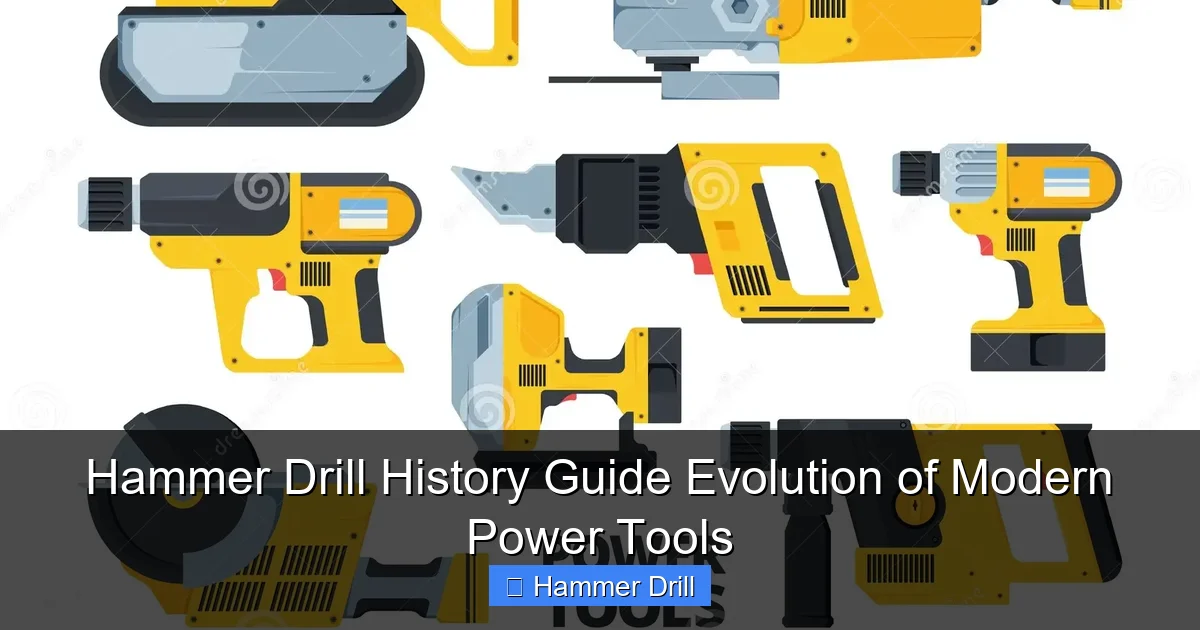
Visual guide about Hammer Drill History Guide Evolution of Modern Power Tools
Image source: thumbs.dreamstime.com
- A basic grasp of how regular drills work (spinning motion only)
- Patience for a little technical storytelling
- An open mind about why “hammer” mode isn’t just marketing fluff
Pro Insight: I used to think “hammer drill” was just a fancy name. Then I saw an old 1930s model tear through brick like butter. Mind blown. This isn’t hype—it’s physics.
Step-by-Step Guide to Hammer Drill History: The Evolution of Modern Power Tools
Think of this as a time machine ride through power tool innovation. Each step solved a real-world problem—like my concrete shelf disaster.
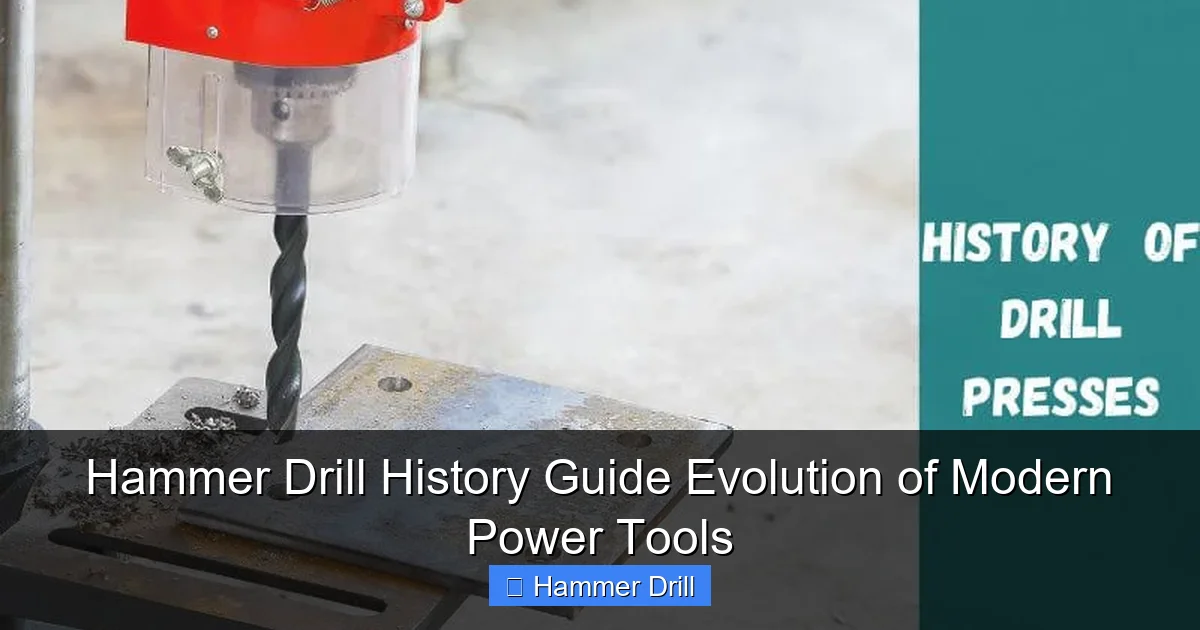
Visual guide about Hammer Drill History Guide Evolution of Modern Power Tools
Image source: toolstutor.com
Step 1: The Early 1900s – When Hammers Met Machines
Before electric drills, workers used hand-powered augers and brute-force hammers for masonry. Painful, slow, and exhausting. Then in 1912, German company Fein invented the first percussion drill. It wasn’t a hammer drill yet, but it introduced the critical idea: combining rotation with a hammering punch.
This machine was heavy, corded, and required two hands just to lift. But for the first time, workers could bore into concrete faster than a pickaxe. It was the grandparent of today’s tools—clunky but revolutionary.
Step 2: The 1930s – Birth of the True Hammer Drill
Fein’s 1930s innovation changed everything. They added a clutch mechanism that let the drill bit hammer while spinning. Imagine a tiny piston hitting the bit’s back with each rotation—like a mini jackhammer in your hand.
Why does this matter for you? Without this step, your modern hammer drill couldn’t switch between “drill only” (for wood) and “hammer drill” (for concrete). It’s the core feature separating useless and useful tools. Fun fact: early models weighed over 20 lbs! Your cordless hammer drill? Probably under 5 lbs.
Step 3: The 1960s – Cordless Dreams Begin (Sort Of)
Power tools got lighter, but hammer drills stayed tethered to outlets. Why? Batteries were too weak for the intense hammering action. Nickel-cadmium (NiCd) batteries arrived in the 1960s, but they were slow to charge and died fast under heavy loads.
I remember my dad’s corded hammer drill from the 80s—it had one speed: “earthquake.” Cordless versions were rare and underpowered. If you tried drilling into concrete with one back then, you’d drain the battery in minutes. Not helpful!
Step 4: The 1980s – Lithium-Ion Changes the Game
Enter lithium-ion batteries. Lighter, longer-lasting, and no memory effect. Suddenly, cordless hammer drills became practical. Brands like DeWalt and Milwaukee launched models that could actually handle brick and concrete without an outlet in sight.
This is where the hammer drill history guide evolution of modern power tools gets personal for me. My first cordless hammer drill (a 2010 model) hung shelves in my basement without an extension cord. Freedom! But it still vibrated like a jackhammer—more on that later.
Step 5: Today – Smart, Ergonomic, and Surprisingly Quiet
Modern hammer drills are marvels of engineering. They’ve got:
- Anti-vibration handles (goodbye, numb fingers!)
- Variable speed triggers for precision
- Brushless motors that last 10x longer
- LED lights because workshops are dark
Most importantly, they’re versatile. Need to drill into wood? Flip the switch to “drill only.” Hanging a TV mount in concrete? “Hammer drill” mode engages. This evolution means you don’t need three tools—just one smart device. If you’re comparing options, check out our difference between a hammer drill and regular drill guide to see why this matters.
Pro Tips & Common Mistakes to Avoid
Learning from my blunders saved you time. Here’s what I wish I knew earlier:
Visual guide about Hammer Drill History Guide Evolution of Modern Power Tools
Image source: thumbs.dreamstime.com
- Don’t use hammer mode on wood or metal. That hammering action will splinter wood or warp metal. I learned this hanging a curtain rod—ruined the drywall!
- Match the drill bit to the material. Masonry bits have carbide tips. Regular bits will overheat and snap in concrete. (Pro tip: Look for the “SDS” or “SDS-Plus” label for hammer drills).
- Apply steady pressure—not brute force. Let the hammering mechanism do the work. Pushing too hard wears out the clutch fast.
Warning: Ignoring the hammer drill’s vibration can cause long-term hand injuries. Always use both hands and take breaks. My early DIY days left me with shaky hands for hours—don’t be like me!
If you’re torn between tools, our impact driver vs hammer drill breakdown explains why impact drivers are better for screws, while hammer drills rule for masonry.
FAQs About Hammer Drill History & Modern Use
These questions pop up in my DMs weekly. Let’s clear them up:
Q: When did hammer drills become common for homeowners?
A: Not until the 1990s! Early models were too expensive and heavy for DIYers. Once lithium-ion batteries dropped in price (around 2005), they hit hardware store shelves everywhere. Now? You can grab a decent one for under $100.
Q: Can I use a regular drill as a hammer drill?
A: Technically, no. Some cheap drills have a “hammer” setting, but it’s just a vibrating clutch—useless on real concrete. True hammer drills have a dedicated mechanism that delivers thousands of BPM (blows per minute). Save your regular drill for wood and metal only.
Q: Why do hammer drills have two modes?
A: Evolution! Early models only did hammer drilling. As power tools diversified, manufacturers added a “drill only” mode so you could use one tool for everything. It’s the ultimate space-saver for your garage.
Q: Are cordless hammer drills powerful enough?
A: Absolutely—for most jobs. Modern 18V/20V models outperform corded drills from 20 years ago. Just check the specs: look for “max drilling capacity in concrete” (aim for 1/2″ or more). For heavy-duty tasks like rebar, go corded or consider an industrial-grade cordless drill.
Q: What’s the #1 mistake beginners make?
A: Skipping the depth stop! Hammer drills chew through material fast. Without setting a depth stop, you’ll drill too deep (wasting anchors) or not deep enough (loose fixtures). I’ve patched more holes than I’d like to admit.
Q: How long do hammer drills typically last?
A: With care? 10+ years. The key is avoiding overheating—let it rest every 5 minutes during heavy use. Also, use quality bits. Cheap bits dull fast and strain the motor.
Final Thoughts: Your Next Steps in the Hammer Drill Evolution
The hammer drill history guide evolution of modern power tools isn’t just trivia—it’s your roadmap to smarter DIY. You now know why that hammer mode exists, how we got from 20-lb monsters to sleek cordless wonders, and (most importantly) how to avoid my early mistakes.
Next time you tackle a project:
- Identify your material (concrete? wood? metal?)
- Choose a hammer drill with the right mode
- Use the correct bit and settings
- Let the tool do the work—no heroics!
Whether you’re hanging shelves or building a deck, this knowledge saves time, money, and frustration. And if you’re upgrading your toolkit, explore our cordless drill category for tested recommendations. Your future self (and your walls) will thank you.
🎥 Related Video: THIS is why machining is so impressive! 🤯
📺 ELIJAH TOOLING
Go check out more of @swarfguru, he has tons of fascinating machining videos! #cnc #machining #engineer.