This guide teaches beginners how to safely and effectively use a hammer drill with a chisel attachment. You will learn the crucial differences between hammer drilling and chiseling modes, how to select the right chisel for the job, and step-by-step techniques for common tasks like tile removal and light demolition. Mastering these fundamentals will transform your versatile hammer drill into a powerful tool for breaking and chipping.
Key Takeaways
- Know Your Tool’s Modes: Understanding the difference between “drill,” “hammer drill,” and “chisel-only” modes is the absolute first step to safe and effective operation.
- Chisel Selection is Critical: Using the correct chisel type (flat, pointed, spade, etc.) for your specific material dramatically improves results and prevents tool damage.
- Safety Cannot Be Overstated: Proper PPE (goggles, gloves, mask, hearing protection) and a secure workpiece are non-negotiable for chiseling tasks.
- Let the Tool Do the Work: Apply moderate, steady pressure and allow the hammering action to break the material; forcing it can strain the motor and reduce control.
- Start Small and Practice: Begin with a low-impact setting on a scrap or inconspicuous area to get a feel for the tool’s power and behavior before tackling your main project.
- Regular Maintenance Ensures Longevity: Keeping the chisel holder (SDS or Spline) clean and applying a drop of tool oil to shanks prevents jamming and wear.
Mastering Hammer Drill Chisel Guide Techniques for Beginners
So, you’ve got a hammer drill. You’ve probably used it to drill into brick or concrete. But that chisel function? It looks powerful, maybe a little intimidating. What is it for? How do you use it without breaking your tool, your project, or yourself?
Welcome to the world of controlled demolition! This guide is your friendly roadmap. We will demystify the hammer drill chisel. You’ll learn exactly how to turn your drill into a breaking and chipping powerhouse. We’ll cover everything from safety gear to picking the right chisel bit. You’ll get step-by-step instructions for common jobs. By the end, you’ll approach chiseling tasks with confidence and skill.
Chapter 1: Understanding Your Hammer Drill and Chisel Function
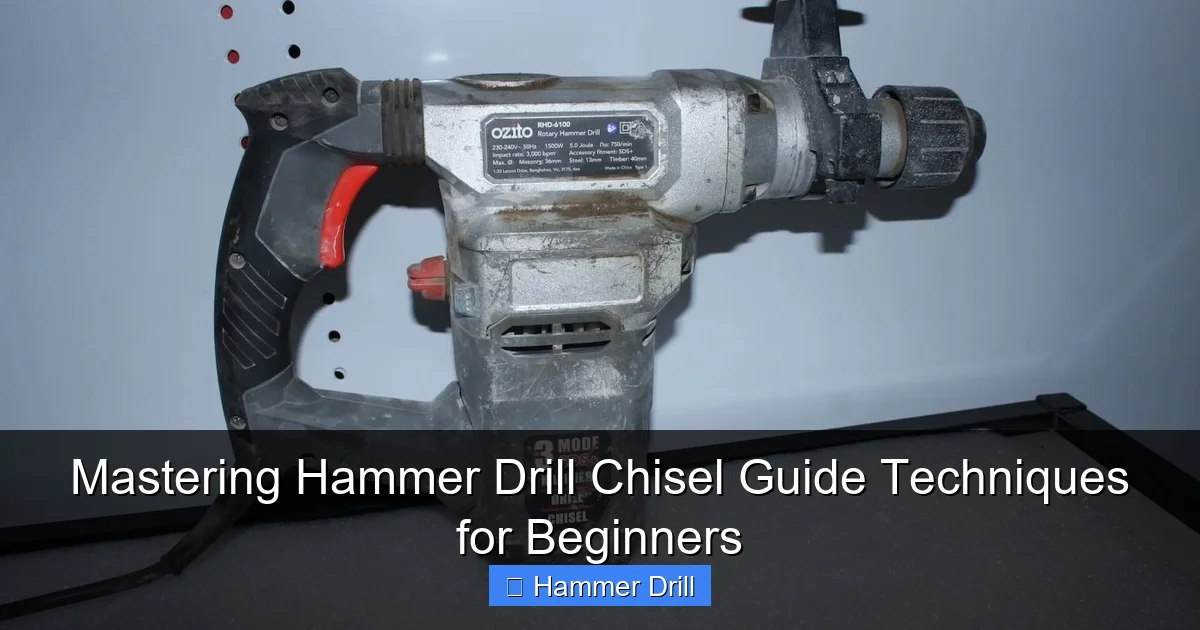
First things first. A hammer drill is a versatile tool with (usually) three settings. It’s vital to know which one to use. Using the wrong mode can damage your tool or be unsafe.
Visual guide about Mastering Hammer Drill Chisel Guide Techniques for Beginners
Image source: commonwoodworking.com
- Drill Mode (Symbol: Drill Bit): This is for standard drilling into wood, metal, or plastic. The chuck spins with no hammering action.
- Hammer Drill Mode (Symbol: Drill Bit + Hammer): This is for drilling into masonry. The chuck spins AND hammers forward rapidly. It’s for making holes, not breaking material. If you’re new to this, our guide on the difference between a hammer drill and regular drill explains this in detail.
- Chisel Mode (Symbol: Hammer Only or Chisel): This is the key setting for this guide. In this mode, the chuck does NOT spin. It only hammers back and forth (or rotates slightly in a “rotation stop” function). This pure hammering action drives the chisel bit into the material to break, chip, or scrape it away.
It’s also helpful to understand how a hammer drill compares to its cousin, the impact driver. While both deliver blows, they do very different jobs. For a clear breakdown, check out our article on the difference between impact driver and hammer drill.
The Chisel Bits: Your Tool’s “Business End”
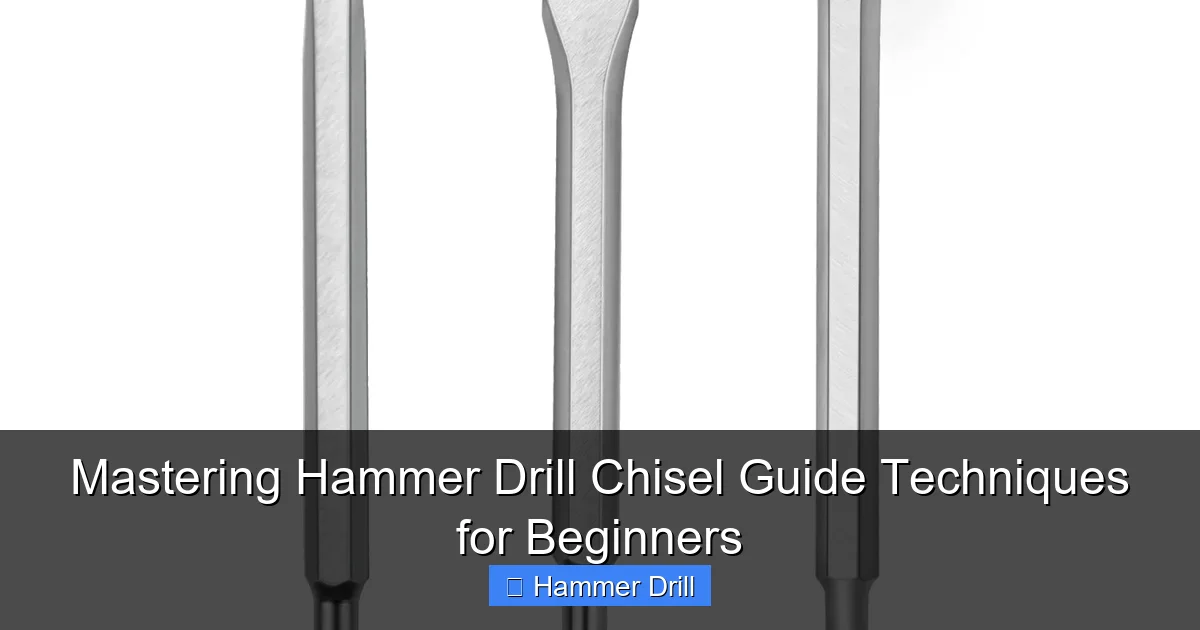
Chisels come in various shapes for different tasks. They typically have special shanks (like SDS-Plus or Spline) that lock securely into the hammer drill’s chuck.
- Flat Chisel (Wide): For scraping, levelling, and removing thin layers like tile, adhesive, or mortar.
- Pointed Chisel: For starting breaks, penetrating hard materials, and precise chipping.
- Spade or Clay Chisel: For digging, trenching in soil or clay, and breaking up compacted earth.
- Scaling Chisel: Has multiple points for removing rust, scale, or thick coatings from metal.
- Asphalt Cutter: A wide, flat blade specifically for cutting and breaking up asphalt.
Chapter 2: Gearing Up for Safety and Success
Chiseling creates flying debris, dust, and noise. Proper safety gear is not optional.
Visual guide about Mastering Hammer Drill Chisel Guide Techniques for Beginners
Image source: cdn.auschoice.com
- Eye Protection: Safety goggles that seal to your face are a must. Flying chips are dangerous.
- Hearing Protection: Hammer drills are loud in chisel mode. Use earplugs or earmuffs.
- Respiratory Protection: A dust mask (N95 minimum) is essential, especially for concrete, tile, or mortar, which create harmful silica dust.
- Gloves: Heavy-duty work gloves protect your hands from vibration and sharp edges.
- Sturdy Boots: Wear closed-toe shoes with slip-resistant soles.
- Workpiece Security: Ensure whatever you’re working on is firmly secured or braced. Never hold material with one hand and chisel with the other.
If your project requires working at height, safety extends to your equipment. Always ensure your ladder is safe and secure. Resources like the ultimate guide to ladder inspections are invaluable for this.
Chapter 3: Step-by-Step Guide to Using Your Hammer Drill as a Chisel
Step 1: Tool Preparation and Setup
1. Insert the Chisel Bit: Make sure the drill is unplugged or the battery is removed. Pull back the chuck sleeve, insert the chisel shank fully, and release the sleeve until it locks with a click. Give the chisel a gentle tug to confirm it’s secure.
Visual guide about Mastering Hammer Drill Chisel Guide Techniques for Beginners
Image source: m.media-amazon.com
2. Select the Correct Mode: Rotate the mode selector collar to the “Chisel” or “Hammer Only” symbol. This is the most critical step. Double-check it.
3. Set the Auxiliary Handle: If your drill came with a side handle, attach it securely. This gives you much better control and leverage, reducing fatigue.
Step 2: Basic Chiseling Technique
1. Position Yourself: Stand with your feet shoulder-width apart for balance. Hold the drill with both hands—one on the main handle and one on the auxiliary handle.
2. Approach the Work: Place the tip of the chisel at the starting point on your material. Hold the drill at a slight angle (not 90 degrees straight on) for most breaking and chipping tasks. This helps “lift” the material away.
3. Apply Power and Pressure: Squeeze the trigger. You will feel the hammering action. Apply firm, steady, forward pressure. Let the tool do the work. Do not lean on it or force it excessively.
4. Use a “Walking” Motion: For removing large areas (like tile), don’t stay in one spot. Use the tool’s power to “walk” the chisel across the surface, working in small, manageable sections.
Step 3: Task-Specific Techniques
Removing Wall Tiles
Start in a corner or at a grout line. Use a flat chisel. Hold it at a low angle (almost parallel to the wall) and gently work it behind the tile. The goal is to break the adhesive bond, not the wall. Once a tile is loose, you can use a wider flat chisel to scrape off the old adhesive.
Light Demolition (Breaking Concrete Edges or Blocks)
Use a pointed chisel to start a fracture line. Then, switch to a wider flat chisel to work along that line. Work from the edges inward. For slabs, score a line first, then work along the underside if possible.
Removing Old Mortar (Repointing)
A narrow flat chisel or a dedicated tuck pointer attachment is ideal. Work carefully along the mortar joint. Control is key here to avoid damaging the surrounding bricks or stones.
Chapter 4: Troubleshooting Common Issues
- Chisel is Not Biting or Breaking Material: You might be in the wrong mode. Confirm it’s in “Chisel” mode, not “Hammer Drill.” The bit may also be dull—check and replace if needed. Ensure you are applying enough forward pressure.
- Tool is Overheating or Straining: You are likely applying too much pressure or forcing the tool. Ease up. Let the hammer action work. Also, check that the chisel shank and chuck are clean; dirt can cause binding and extra friction.
- Excessive Vibration or Loss of Control: You may be using the wrong chisel type for the material. Ensure your auxiliary handle is attached and tightened. Your stance and grip may need adjustment for better leverage.
- Chisel Gets Stuck in Material: Don’t panic. Release the trigger. Try wiggling the chisel side-to-side by hand to free it. You may need to use a hammer and another chisel to break the material around the stuck bit.
Chapter 5: Maintenance and Best Practices
Taking care of your tools makes them last longer and perform better.
- Clean the Chuck: After use, blow out dust and debris from the chuck mechanism with compressed air.
- Lubricate: Periodically, apply a single drop of the manufacturer’s recommended tool oil to the chisel shank before inserting it. This reduces wear. (Note: Do not use general-purpose oil).
- Inspect Chisels: Look for signs of wear, mushrooming on the striking end, or cracks. A damaged chisel is a safety hazard and should be replaced. For more on specialized hammers and their care, you can explore guides like what is a claw hammer and how it’s used for principles of tool maintenance.
- Store Properly: Keep chisels in a dry place. Consider using blade protectors to keep the cutting edges sharp.
- Battery Care (for cordless): If you’re using a cordless model, proper battery management is key. For tips on selecting and maintaining a great cordless drill, our best cordless drill guide has useful insights.
Conclusion: Your Newfound Power
Congratulations! You’ve just unlocked a major new capability of your hammer drill. You now understand the crucial “chisel mode,” how to select the right bit for the job, and the safe, effective techniques to tackle everything from a bathroom remodel to a small patio repair. Remember, the core principles are simple: safety first, let the tool work for you, and start with practice on scrap material. With this knowledge, you can confidently add “demolition expert” to your DIY skill set. Grab your safety gear, insert that chisel, and start transforming your projects—one controlled hammer blow at a time.
🎥 Related Video: Woodworking square hole drill bit #tools #hardwaretools
📺 tools4You
Woodworking square hole drill bit #tools #hardwaretools #woodworking #square #hole #drillbit.