

Precision is the cornerstone of modern manufacturing and assembly. Whether one is working on high-end consumer electronics or heavy-duty automotive components, ensuring that every fastener meets specific torque requirements is non-negotiable. Learning how to use electric screwdriver tester equipment allows professionals to verify that their tools are delivering the exact force required, preventing mechanical failure and ensuring product longevity.
Why Verification Matters
When an assembly process relies on power tools, variables like battery depletion, mechanical wear, and friction can lead to inconsistent output. Understanding how to use electric screwdriver tester devices provides the following benefits:
- Quality Control: Guarantees that assembly meets strict ISO standards for torque control and international safety protocols.
- Preventive Maintenance: Helps identify when a tool requires servicing before it causes a costly production error.
- Operational Efficiency: Reduces waste by ensuring screws are neither over-tightened (causing stripped threads) nor under-tightened (leading to structural instability).
For those handling sensitive equipment, pairing a reliable tester with the right handheld implements is essential. Proper selection of high-quality insulated screwdrivers ensures that the operator remains safe while maintaining the integrity of the electronic assembly.
The Role of Technology in Torque Accuracy
An electric screwdriver tester serves as the intermediary between raw tool output and data-driven quality assurance. By utilizing a high-precision torque sensor, technicians can capture real-time readings, allowing them to troubleshoot inconsistencies immediately. According to NIST guidelines on force and torque measurement, consistent calibration is the only way to maintain the reliability of automated assembly lines.
By mastering the interface of these diagnostic tools, users can effectively:
- Establish baseline performance for new tools.
- Log data for regulatory compliance and audit trails.
- Optimize the settings on variable-torque drivers for specific materials.
Key Takeaways
Mastering how to use electric screwdriver tester equipment is essential for professionals who demand high levels of precision and repeatability. By ensuring that torque output remains within manufacturer specifications, operators can safeguard their work against mechanical failure and assembly defects.
- Routine Calibration is Mandatory: Regular testing prevents the degradation of tool performance, which is often caused by friction and internal mechanical wear. Refer to NIST guidelines regarding measurement standards to ensure your testing protocol meets national benchmarks.
- Precision is Non-Negotiable: Whether working on delicate electronics or heavy-duty automotive parts, using an accurate torque screwdriver ensures that every fastener reaches the correct tension without stripping threads.
- Data-Driven Maintenance: Documenting results allows technicians to predict when a tool requires servicing before it fails during a critical production run.
- Safety First: Proper torque measurement practices significantly reduce the risk of workplace injuries caused by tool kickback or equipment malfunction. Organizations like OSHA emphasize the necessity of properly maintained power tools to maintain a safe working environment.
By integrating these fundamental practices into a daily workflow, users can maximize the lifespan of their equipment and ensure consistent output quality across every assembly project.
The Importance of Calibrating Your Screwdriver
Maintaining precision in assembly tasks is not merely a matter of convenience; it is a critical component of quality assurance. When operators understand how to use electric screwdriver tester hardware correctly, they ensure that every fastener meets the exact torque specifications required for safety and structural integrity. Regular calibration prevents mechanical drift, ensuring that the tool performs consistently over thousands of cycles. For those looking to upgrade their gear, checking resources on high-quality insulated drivers can also provide a baseline for reliable performance before testing begins.
Ensuring Torque Accuracy for Delicate Electronics
In the field of consumer electronics, precision is the difference between a functional product and a defective unit. Components are often fragile, and even slight deviations in fastening force can lead to catastrophic failure.
- Consistency: Calibration ensures the tool delivers the exact Newton-meters required, preventing over-tightening of sensitive circuit boards.
- Quality Control: By following the proper steps on how to use electric screwdriver tester equipment, technicians can document that every device adheres to strict industry standards for electronic assembly.
- Predictability: It minimizes the variance that occurs as internal gears wear down over time.
For further reading on the technical requirements for electronic assembly, the National Institute of Standards and Technology (NIST) provides comprehensive data on measurement science and verification protocols.
Preventing Screw Stripping and Surface Damage
Beyond internal functionality, torque management is essential for preserving the physical appearance and structural integrity of a finished product. Excessive force can compromise materials, while insufficient force leads to loose, rattling components.
- Avoiding Stripped Threads: Proper calibration ensures the tool stops at the threshold before a screw head becomes stripped, which is a common issue in rapid assembly lines.
- Surface Protection: It prevents the screwdriver bit from slipping, which often results in scratches or gouges on polished device casings.
- Longevity of Parts: Applying the correct torque measurement ensures that the threaded inserts remain intact, allowing for future repairs without damaging the chassis.
According to research published via the National Center for Biotechnology Information (NCBI) regarding material stress, applying forces within designated parameters is vital to preventing long-term fatigue in mechanical assemblies. By mastering how to use electric screwdriver tester tools, maintenance teams effectively safeguard their equipment against costly rework and material waste.
Understanding Tester Components and Interface
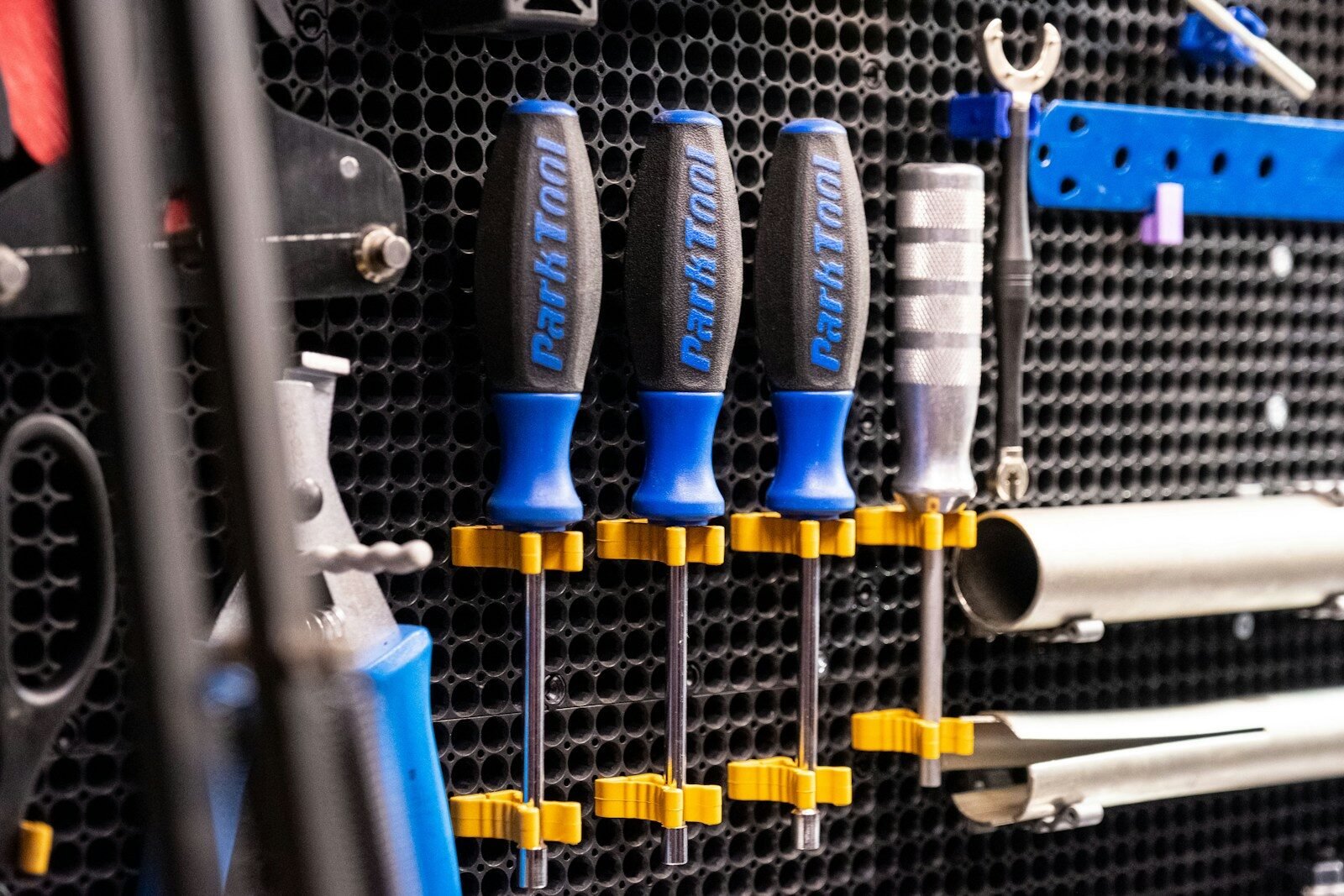
Mastering how to use electric screwdriver tester hardware requires a solid grasp of its primary interface and internal mechanics. Modern torque testers serve as the bridge between raw power output and precision engineering, ensuring every fastener is tightened to exact specifications. Whether for high-performance assembly tasks or simple maintenance, users must familiarize themselves with the device’s sensor arrays and control inputs to ensure repeatable, accurate results.
Interpreting Digital Displays and LED Indicators
The interface is designed to provide immediate feedback, allowing the operator to verify performance without guesswork. Most high-end units feature a high-resolution LCD that simplifies how to use electric screwdriver tester procedures by presenting real-time data.
- Peak Torque Value: Displays the maximum force achieved during a fastening cycle.
- Track Mode: Shows live, fluctuating torque values as the driver engages.
- LED Status Lights: Typically color-coded; green often indicates “Pass,” while red signals that the screwdriver is out of the acceptable torque tolerance range.
- Units of Measurement: Allows the user to toggle between N.m (Newton-meters), lbf.in (pound-force inches), or kgf.cm.
Reliable measurement is supported by standards established by organizations like the National Institute of Standards and Technology (NIST), which provide the foundational metrics for calibration integrity.
Selecting the Correct Transducer Size
The transducer is the heart of the testing unit, acting as the sensor that converts mechanical stress into electrical signals. Selecting the wrong size can lead to equipment damage or skewed readings, making it a critical step in how to use electric screwdriver tester setups.
- Capacity Matching: Ensure the transducer’s maximum capacity is slightly higher than the maximum torque output of the tool being tested.
- Sensitivity Requirements: For miniature electronics, a low-range, high-sensitivity transducer is necessary to detect subtle torque variations.
- Physical Compatibility: Confirm that the drive adapter (e.g., 1/4″ hex or 3/8″ square) matches the output shaft of the screwdriver.
As noted in industrial safety guidelines by OSHA, using correctly sized equipment reduces the risk of mechanical failure. Always inspect the transducer for debris or wear before initiation, as an obstructed sensor is the most common cause of inaccurate calibration data.
Setting Up Your Workspace for Testing
Before learning how to use electric screwdriver tester hardware, technicians must establish an optimized, vibration-free environment to ensure measurement reliability. Precision instruments are highly sensitive; even minor environmental shifts can lead to skewed data. By creating a dedicated station, users minimize the risk of mechanical errors and ensure compliance with industry-standard OSHA guidelines for workplace safety. Proper preparation is the foundational step in maintaining the high-quality standards expected in precision assembly.
Securing the Tester to a Stable Surface
The accuracy of a torque transducer depends entirely on its stability. If the device shifts during a test, the reading will be compromised.
- Mounting: Bolt the tester directly to a heavy-duty, industrial-grade workbench. Avoid lightweight folding tables or surfaces prone to wobbling.
- Vibration Control: Place a rubberized, anti-vibration mat under the tester to isolate it from heavy machinery operating nearby.
- Ergonomic Positioning: Ensure the unit is at a height that allows the operator to hold the electric screwdriver perfectly perpendicular to the transducer input. Misalignment is a common cause of torque deviation.
Ensuring Proper Power Supply for Testing
Reliable power supply management is critical when testing high-torque electronic tools. A fluctuating electrical current can disrupt the sensor’s ability to capture data points accurately.
- Dedicated Circuit: Whenever possible, plug the tester into a dedicated outlet to prevent voltage drops caused by other equipment.
- Surge Protection: Always use a high-quality surge protector to guard the tester’s sensitive internal circuits against power spikes.
- Battery Maintenance: If the unit is battery-powered, ensure it is fully charged before beginning. Low battery levels can lead to erratic readings and slow response times during high-frequency testing cycles.
- Consistency: Verify that the power source matches the manufacturer’s voltage specifications to avoid permanent damage to the electronic components of the testing device.
By following these setup procedures, operators gain confidence in their diagnostic process, knowing that every variable is controlled before they initiate the test.

Step-by-Step Procedure for Torque Verification
Achieving consistent fastener tension is essential for mechanical integrity, and mastering how to use electric screwdriver tester equipment ensures that your assembly meets rigorous industrial standards. By following a standardized sequence, technicians can eliminate guesswork and confirm that tools are performing within their specified parameters. Before beginning, users should ensure they are using high-quality insulated screwdriver options if the environment demands electrical safety compliance, as outlined by organizations like OSHA.
Initiating the Test Cycle
To start the verification process, the operator must ensure the torque tester is powered on and properly zeroed. The following steps outline the initial phase:
- Select the Adapter: Choose the appropriate transducer attachment that matches the driver’s output bit.
- Mounting: Ensure the screwdriver is held steady in a vertical or horizontal test rig to prevent lateral force from skewing the results.
- Engagement: Align the driver bit with the tester’s input drive.
- Activation: Depress the trigger of the electric screwdriver, allowing the tool to reach its clutch release point or set speed.
- Observation: Monitor the display for the peak torque value. For more detailed mechanical engineering data, refer to NIST resources regarding measurement precision.
Recording Data Points for Precision
Reliability in assembly requires more than a single measurement. To maintain torque accuracy, operators should follow these logging practices:
- Multiple Samples: Perform at least 5 to 10 consecutive test cycles. This helps calculate a mean value and identify any torque consistency issues caused by tool fatigue.
- Logging: Record each result in a dedicated logbook or software interface. Discard any obvious outliers caused by user error or improper bit seating.
- Statistical Analysis: Calculate the standard deviation to ensure the tool’s performance remains within the manufacturer’s tolerance range.
- Verification: If the data shows a trend of drifting, the operator must pause to inspect the clutch assembly or motor brushes, as this is a primary indicator of a tool requiring maintenance.
By methodically documenting these metrics, the facility ensures that every tool consistently meets the necessary assembly requirements.
Analyzing Results and Troubleshooting
Once the data collection process is complete, the user must interpret the output to ensure the equipment meets technical standards. Learning how to use electric screwdriver tester hardware effectively involves more than just reading a number; it requires a deep understanding of the mechanical feedback provided by the device. Proper data analysis prevents assembly failures and ensures that every fastener meets NIST (National Institute of Standards and Technology) accuracy guidelines.
Common Causes of Torque Deviation
When a torque tester records readings that fluctuate or fall outside expected tolerances, it is usually indicative of a mechanical or environmental issue. Understanding how to use electric screwdriver tester metrics to identify these deviations is essential for maintaining production quality.
- Worn Bit or Driver Tip: If the bit is slipping, the tester may record inconsistent torque values. Regularly inspect your tools for wear, or consider high-quality replacements like those found in these reliable insulated screwdriver sets.
- Battery Voltage Fluctuation: Electric screwdrivers rely on stable power. A low charge often leads to “torque fade” at the end of the fastening cycle.
- Mechanical Wear within the Clutch: Over time, the internal clutch mechanism of an electric driver may lose its grip, resulting in lower-than-intended torque delivery.
- Debris Interference: Small metal shavings or dust on the bit can prevent a clean seat, causing the driver to stop prematurely.
When to Recalibrate Your Screwdriver
Determining the appropriate interval for recalibration is critical to maintaining a quality management system. Relying on guesswork can lead to expensive product recalls or safety hazards in fields like aerospace or automotive manufacturing, as outlined in industry research from IEEE Xplore.
Operators should initiate a recalibration cycle under the following conditions:
- Scheduled Intervals: Most manufacturers suggest calibration every 6 to 12 months, or after 50,000–100,000 cycles, depending on usage intensity.
- Sudden Performance Shifts: If the device experiences a significant drop in torque output during a routine check, immediate recalibration is mandatory.
- After Impact or Drops: If the screwdriver is dropped, the internal torque settings can be physically jarred, necessitating an immediate reset.
- Process Changes: When transitioning to a new fastener type or a different assembly material, recalibrating ensures the tool is optimized for the new torque profile.
By consistently monitoring these data points, technicians ensure that their assembly line remains efficient and compliant with stringent industry standards.

Safety Precautions During Operation
Prioritizing safety is non-negotiable when learning how to use electric screwdriver tester units, as high-torque tools involve significant kinetic energy. Operators must remain vigilant, as failure to follow strict safety protocols can lead to equipment damage or personal injury. Before beginning any diagnostic procedure, it is essential to consult OSHA guidelines on hand and power tool safety to ensure compliance with federal workplace standards.
Using Personal Protective Equipment
The risk of flying debris or tool slippage is present whenever a technician engages a motorized driver. To mitigate these risks, users should adhere to the following safety measures:
- Eye Protection: Always wear ANSI-rated safety glasses to shield eyes from potential screw shards or metal fragments.
- Hand Protection: While precision is required, wearing appropriate gloves can prevent abrasions; however, ensure they are not loose-fitting to avoid entanglement in rotating components.
- Insulated Tools: When working with sensitive or high-voltage electronic assemblies, operators should use reliable insulated tools to prevent electrical discharge.
- Hearing Protection: If testing involves repetitive high-decibel screwdriving, ear protection should be worn to satisfy NIOSH hearing loss prevention recommendations.
Maintaining a Clean Testing Environment
A cluttered or contaminated workstation is a primary cause of testing errors and physical accidents. When mastering how to use electric screwdriver tester setups, maintaining a pristine environment is crucial for consistent torque measurement accuracy.
- Surface Stability: Ensure the workbench is vibration-free and level. A shaky surface can cause the screwdriver to slip during the test, leading to inaccurate data points or tool damage.
- Debris Management: Regularly clear dust, oil, and metal filings from the testing area. Small particles trapped in the transducer or sensor head can lead to skewed calibration results.
- Organized Tooling: Keep cables and power cords routed away from the rotation path of the screwdriver. Tripping hazards or tangled cords are major contributors to workplace accidents.
- Lighting: Maintain adequate overhead lighting to ensure clear visibility of the digital readout, preventing the operator from needing to lean too close to moving parts to read the display.
Maintenance Tips for Your Testing Equipment
To ensure your tools remain reliable over their lifespan, understanding how to use electric screwdriver tester equipment properly is only half the battle. Regular maintenance is essential to prevent drift and ensure the accuracy of your torque measurements. By following a structured care routine, technicians can maintain calibration accuracy and extend the operational life of their testing instruments significantly, aligning with standards set by organizations like the National Institute of Standards and Technology.
Cleaning Sensors to Prevent Debris Buildup
The transducer is the heart of any torque tester. If metal shavings, oil, or dust accumulate on the sensor, the reading will become unreliable. Maintaining a pristine interface is a fundamental aspect of knowing how to use electric screwdriver tester hardware effectively.
- Routine Inspection: Use a lint-free cloth to gently wipe the transducer surface after every shift.
- Avoid Compressed Air: Never use high-pressure air to clean the sensor, as it can force debris into the internal electronics.
- Use Non-Corrosive Solvents: If stubborn residue remains, apply a small amount of isopropyl alcohol to a soft cloth, rather than spraying directly onto the device.
- Debris Prevention: Always keep the tester covered when it is not actively being used to prevent airborne contaminants from settling.
Proper Storage Techniques for Longevity
Even the best-maintained tester will fail if it is stored in a harsh environment. Proper storage is a critical component of learning how to use electric screwdriver tester systems for long-term project success. High-quality tools, much like the Teng Tools insulated screwdrivers, require a controlled environment to prevent material degradation.
- Temperature Control: Store the device in a climate-controlled area to avoid thermal stress on the internal load cells. According to Occupational Safety and Health Administration (OSHA) guidelines, maintaining an organized workspace reduces the risk of accidental damage.
- Protection from Humidity: Excess moisture can lead to corrosion of the electrical pins. Use a desiccant pack inside the storage case to manage internal humidity levels.
- Impact Prevention: Use the original manufacturer’s hard-shell carrying case. This protects the sensitive electronics from vibrations or drops during transport.
- Cable Care: Avoid wrapping power cords tightly around the unit. Instead, coil them loosely to prevent internal wire breakage, which is a common reason for intermittent connectivity errors.

Frequently Asked Questions
Mastering the process of how to use electric screwdriver tester hardware is essential for maintaining production standards. The following common inquiries address the most frequent challenges technicians face when verifying torque consistency and tool performance in professional environments.
How often should I test my electric screwdriver?
For high-precision assembly lines, such as those found in consumer electronics manufacturing, daily verification is standard practice. Establishing a consistent testing schedule ensures that the tool remains within its specified torque range throughout the workday.
- High-Volume Environments: Test at the start of every shift.
- Safety-Critical Applications: Perform verification after any tool drop or maintenance procedure.
- General Use: A weekly check is usually sufficient if the tool is used infrequently.
If you are looking for high-quality manual alternatives for smaller tasks, consider exploring reliable insulated screwdriver options to complement your electric toolkit.
Can a tester be used for pneumatic tools?
While many digital testers are designed primarily for electric screwdrivers, most modern torque measurement devices can accommodate pneumatic tools, provided the correct transducer adapter is used.
- Check Compatibility: Ensure the tester’s maximum torque capacity exceeds the output of the air tool.
- Use an Adapter: Use a run-down adapter to simulate the actual resistance the pneumatic tool encounters during an assembly process.
- Stability: Because pneumatic tools often produce high vibration, secure the tester to a heavy, damped surface to prevent measurement errors caused by tool kickback.
For more information on the physical principles of force measurement, refer to data provided by the National Institute of Standards and Technology.
What does a sudden drop in torque indicate?
A sudden drop in performance readings is a red flag that typically requires immediate investigation. When a technician is learning how to use electric screwdriver tester protocols, identifying these failure modes is a critical skill.
- Wear and Tear: Worn carbon brushes in older motors often lead to intermittent power delivery.
- Calibration Drift: The tool may have simply fallen out of calibration specifications, requiring an adjustment of the internal clutch.
- Mechanical Failure: Internal gears or the clutch spring may be fatigued or damaged, which prevents the tool from maintaining a consistent load.
- Power Supply Issues: In cordless models, a degraded battery pack often fails to provide the necessary current for high-torque applications.
If the torque drops consistently across multiple tests, the tool should be removed from the assembly line immediately for professional inspection and recalibration.
Advanced Calibration Techniques
Mastering the nuances of precision fastening requires more than basic operation; it demands a deep dive into sophisticated adjustment protocols. When technicians understand how to use electric screwdriver tester hardware for high-level calibration, they ensure consistent performance that meets rigorous industrial standards. By moving beyond simple verification, operators can optimize their tools for specialized tasks, ensuring that even the most sensitive applications adhere to NIST guidelines regarding force and measurement accuracy.
Setting Custom Torque Thresholds
Advanced users often utilize programmable testers to define specific torque limits, which is vital for preventing over-tightening. Implementing these thresholds effectively is a core component of learning how to use electric screwdriver tester units for quality control.
- Define Target Ranges: Establish high and low limits based on the project’s technical specifications.
- Implement “Pass/Fail” Logic: Configure the device to provide immediate visual or audible alerts when a fastening cycle falls outside of the established torque tolerance.
- Dynamic Adjustments: Periodically update these thresholds as tool components wear down, ensuring the tester remains aligned with the American National Standards Institute (ANSI) requirements for assembly integrity.
Integrating Testers with Automated Systems
Modern assembly lines often require real-time data logging to maintain full traceability. Integrating a tester into an automated loop allows for seamless data capture without manual intervention.
- Direct Data Export: Use USB or RS-232 interfaces to stream torque data directly into a PLC (Programmable Logic Controller) or a centralized quality management database.
- Closed-Loop Calibration: By feeding results back into the electric screwdriver’s controller, the system can automatically compensate for minor torque drift.
- Tool Selection: To achieve the highest level of integration, technicians should rely on professional-grade manual or electric screwdrivers that provide stable output performance.
Properly connecting your hardware ensures that every fastener receives the exact amount of fastening force required for structural safety, reducing the risk of fatigue-related failures in finished goods.

Industry Applications for Precision Screwing
Precision assembly is the backbone of modern manufacturing, requiring strict adherence to torque specifications to ensure product integrity and safety. Across various sectors, understanding how to use electric screwdriver tester equipment is essential for maintaining rigorous quality control standards and preventing costly assembly errors. Whether working on high-performance vehicles or intricate circuit boards, technicians must ensure that every fastener is tightened to the exact specification.
Automotive Assembly Standards
In the automotive industry, vehicle safety relies heavily on the structural integrity of every bolted joint. According to standards set by the National Highway Traffic Safety Administration, torque precision is non-negotiable for critical components like suspension systems and engine mounts.
- Standardization: Manufacturers often use a torque verification process to ensure uniformity across assembly lines.
- Safety Compliance: Operators must be trained on how to use electric screwdriver tester devices to validate that air-driven or electric tools haven’t drifted out of calibration during a shift.
- Data Logging: Modern plants utilize digital testers to record torque values, providing a traceability trail for every vehicle produced.
For professionals selecting tools for these high-stakes environments, it is helpful to explore the best insulated screwdrivers and assembly tools to ensure that their equipment meets both electrical safety and mechanical precision requirements.
Consumer Electronics Manufacturing
The consumer electronics sector operates under entirely different constraints, where the focus shifts toward preventing physical damage to delicate components. When assembling smartphones, laptops, or tablets, the margin for error is razor-thin.
- Delicate Handling: A failure to monitor torque can lead to stripped plastic housings or cracked printed circuit boards (PCBs).
- Precision Settings: Technicians frequently rely on advanced testers to calibrate drivers for micro-torque applications, often measured in newton-centimeters (Ncm).
- Quality Assurance: By mastering how to use electric screwdriver tester units, quality control engineers can identify when a tool’s clutch mechanism begins to wear, allowing for proactive maintenance before defective units are manufactured.
Research from the National Institute of Standards and Technology emphasizes that consistent measurement protocols are fundamental to improving manufacturing yields in mass-produced electronics, making the regular testing of assembly tools a mandatory operational step.
Conclusion: Final Tips on How to Use Electric Screwdriver Tester Equipment Effectively
Mastering the process of verifying torque output is essential for any professional working in precision assembly. By learning how to use electric screwdriver tester equipment properly, operators ensure that every fastener meets stringent industry quality standards, thereby preventing rework and costly mechanical failures. Consistency remains the cornerstone of any effective tool maintenance program.
Final Best Practices for Torque Verification
To ensure the longevity and accuracy of both the tester and the electric screwdriver, users should adhere to these final operational guidelines:
- Establish a Routine: Regular verification prevents “torque creep,” where a tool slowly drifts out of specification over time. Implementing a consistent schedule is vital for ISO-certified environments.
- Environmental Control: Always perform tests in a climate-controlled area. According to NIST standards, ambient temperature fluctuations can occasionally influence the behavior of sensitive electronic sensors.
- Utilize Quality Tools: Before testing, verify that the driver itself is reliable. For tasks requiring safety-rated equipment, operators often rely on top-rated insulated screwdrivers to prevent electrical hazards during initial assembly stages.
- Document Everything: Maintain a digital log of all test results. This data is critical for preventive maintenance planning and troubleshooting systemic assembly issues.
Summary Checklist for Precision
When an operator follows the correct procedure on how to use electric screwdriver tester systems, they essentially safeguard the integrity of their final product. Remember these three pillars:
- Calibration: Verify the tester’s calibration certificate is current.
- Stability: Ensure the tester is mounted on a vibration-dampened surface to avoid skewed readings.
- Technique: Apply the driver perpendicular to the transducer to ensure accurate torque capture.
For further reading on the physics of mechanical torque and its impact on structural integrity, researchers often consult the American Society of Mechanical Engineers (ASME) guidelines. By adhering to these rigorous methods, professionals ensure that their assembly processes remain safe, efficient, and precise.
