If you are shopping for the best saws for DIY projects, the good news is that you do not need one tool for everything. A small hand saw, a compact circular saw, a jigsaw, or even a mini table saw can each shine in different jobs. This roundup keeps things simple and practical, so you can pick the right saw for your space, your budget, and the kind of cuts you actually make at home.
Quick Product Comparison
Our Top 10 Best Saws For Diy Projects Reviews – Expert Tested & Recommended
1. WFOEJEJ Japanese Hand Saw, 6-Inch Double-Edge Pull Saw with SK5 Flexible Blade for Woodworking
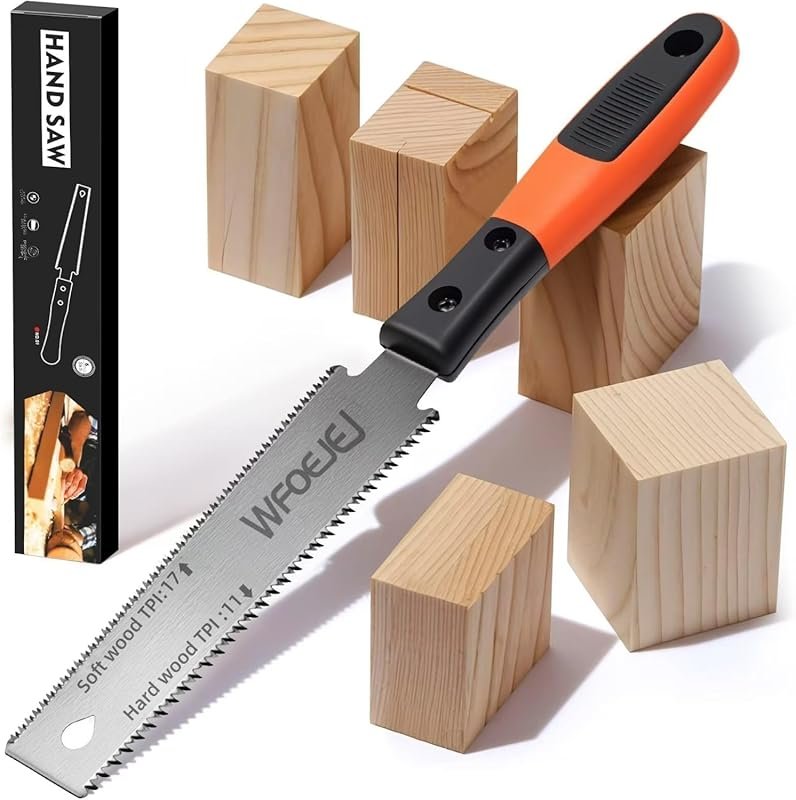
If you want a clean, easy pull saw for small home jobs, this one is a very solid pick. The double-edge blade makes it handy for both fine cuts and a bit more speed when you need it. It feels like the kind of saw you keep close because it just works.
Key Features That Stand Out
- ✓ SK5 steel blade for sharp, precise cutting
- ✓ Double-edge design with 11 TPI and 17 TPI sides
- ✓ Soft grip handle for better comfort and control
- ✓ Good for flush cuts and detail work
- ✓ Lightweight feel that is easy for beginners
Why We Recommend It
This is one of the best saws for DIY projects if you want control more than brute force. It is especially nice for trim, small woodworking tasks, and clean finish cuts. If you are tired of rough edges from cheap hand saws, this one is a noticeable step up.
Best For
Best for hobby woodworkers, trim work, and anyone who likes precise hand cutting. It is also a great first Japanese pull saw for a home tool kit.
Pros and Cons
Pros:
- Very clean cutting action
- Comfortable grip for longer use
- Useful double-edge blade design
- Light and easy to control
Cons:
- Small blade limits larger cuts
- Not ideal for heavy framing work
- Requires a gentler cutting style than push saws
Customer Reviews
Customer Review: “The blade cuts very smoothly and feels sharp right out of the box.”
Customer Review: “Perfect size for small woodworking jobs and easy to handle.”
2. TOOLAN Model Craft Saw, 10-in-1 Model Craft Hand Saw and File Kit for DIY Fine Cutting
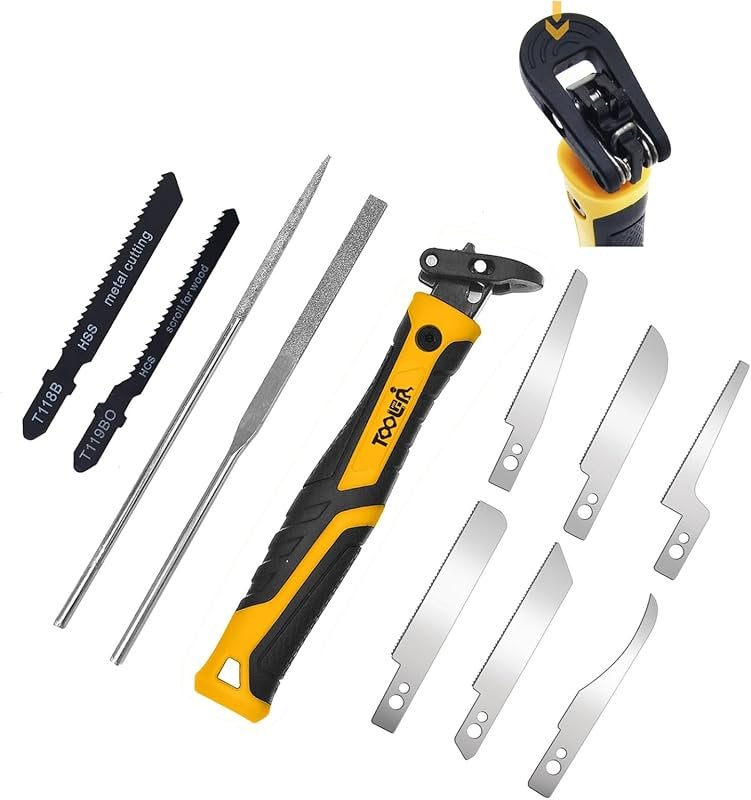
This is the kind of tool that makes detail work less frustrating. It is built for small, careful cuts, and the quick-change setup is a nice touch when you move between tasks. If your DIY projects include model work or tiny repair jobs, this one feels very practical.
Key Features That Stand Out
- ✓ 10-in-1 kit for flexible craft work
- ✓ Quick-change mechanism for easy blade swaps
- ✓ Lockback design helps keep blades steady
- ✓ Rubber-wrapped TPR handle for better grip
- ✓ Good for fine cutting, trimming, and small repairs
Why We Recommend It
We like this as a detail-first option among the best saws for DIY projects. It is not trying to replace a big power saw. Instead, it gives you better control for small jobs where accuracy matters more than speed.
Best For
Best for model makers, hobby crafters, and anyone doing fine-detail cutting. It is also useful for small household fixes where a larger saw would be overkill.
Pros and Cons
Pros:
- Very versatile for small craft jobs
- Easy blade changes save time
- Comfortable grip for careful work
- Compact and simple to store
Cons:
- Not meant for large boards or rough cuts
- Learning curve if you are new to craft saws
- Best results come with light pressure and patience
Customer Reviews
Customer Review: “Great little kit for detail work, and the blade changes are quick.”
Customer Review: “I used it for small model projects and it handled the fine cuts well.”
3. Seesii Mini Circular Saw, 4000 RPM Corded Compact Saw for Wood and Metal
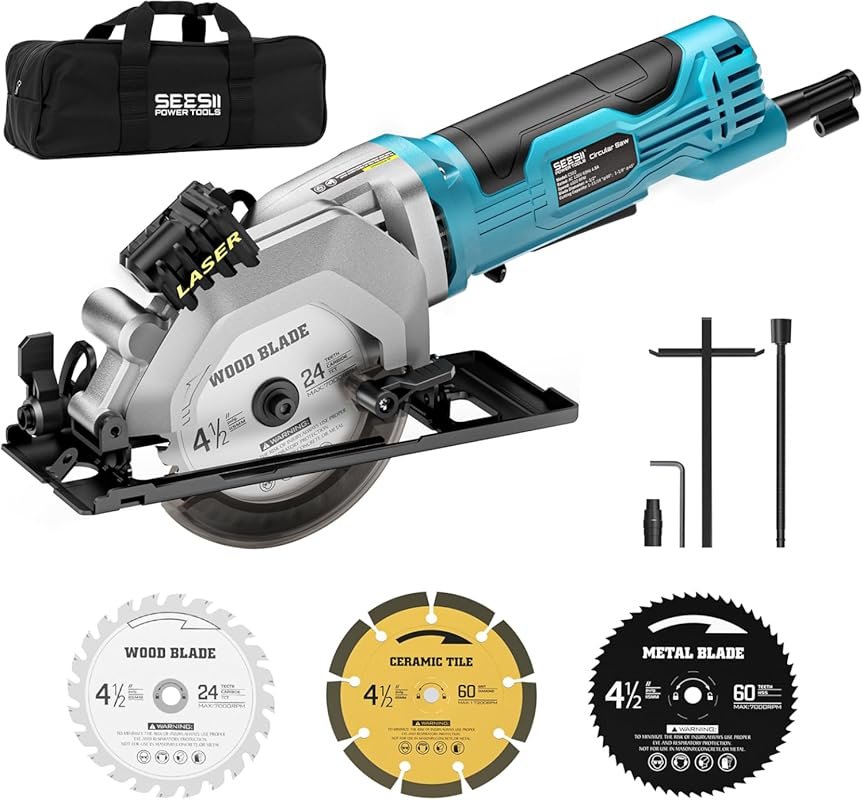
If you want a compact power saw that feels easy to manage, this one stands out. The laser guide helps with straighter cuts, and the small size makes it less intimidating than a full-size circular saw. It is a smart middle ground for home DIY use.
Key Features That Stand Out
- ✓ 4.8 amp motor with up to 4000 RPM
- ✓ Laser guide for better cut alignment
- ✓ Compact body for tighter spaces
- ✓ Includes multiple blades for different materials
- ✓ Good option for wood and some metal cutting
Why We Recommend It
This is a strong pick if you want one of the best saws for DIY projects without jumping straight to a bulky tool. It gives you power, but in a smaller package that is easier to store and handle. For weekend projects, that balance matters a lot.
Best For
Best for homeowners, apartment DIYers, and people who need a compact saw for quick cuts. It is also a nice upgrade from hand tools if you want faster results.
Pros and Cons
Pros:
- Small size is easy to control
- Laser guide helps with accuracy
- Good speed for common DIY tasks
- Works on more than just wood
Cons:
- Corded design limits movement
- Not ideal for very thick lumber
- May feel underpowered for heavy-duty jobs
Customer Reviews
Customer Review: “The laser guide makes it much easier to stay on line.”
Customer Review: “Small, light, and great for quick cuts around the house.”
4. M-T Mini Table Saw, 7-Speed Desktop Hobby Saw for Wood, PCB, and Acrylic Cutting
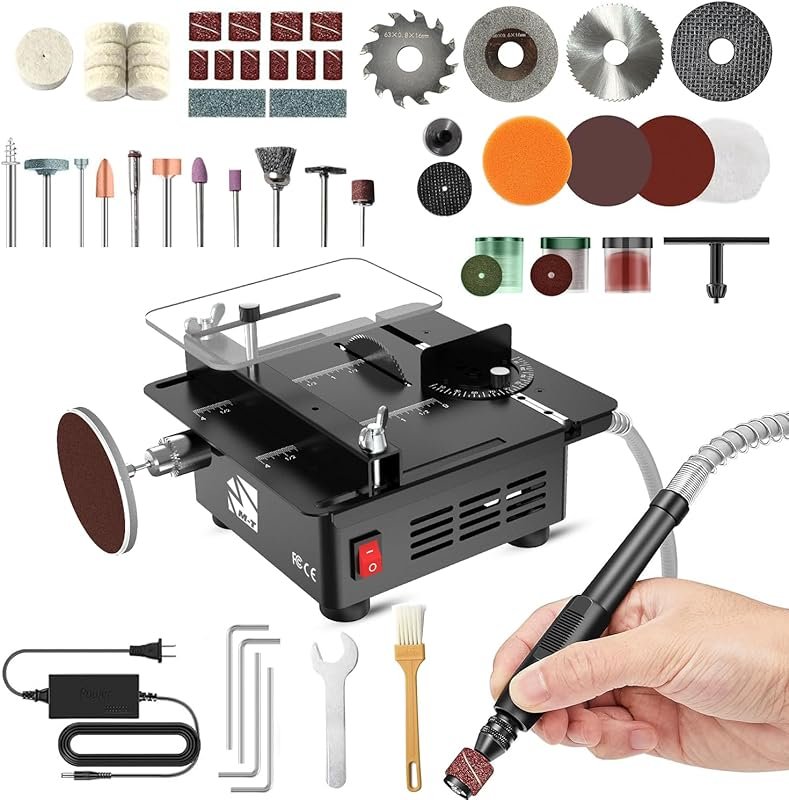
This mini table saw is built for small, careful work on a desktop. It is the kind of tool that fits well in a hobby corner or craft room. If you like making neat, repeatable cuts, it offers a very useful setup.
Key Features That Stand Out
- ✓ Compact desktop size for small workspaces
- ✓ 7-speed control for better cut tuning
- ✓ 100W motor with up to 6000 RPM
- ✓ Comes with multiple blades for different materials
- ✓ Good for wood, PCB, resin, and acrylic
Why We Recommend It
For precise hobby work, this is one of the more interesting best saws for DIY projects. It is not a general-purpose saw for big home repairs, but it is excellent when you need repeatable, small cuts. That makes it a good fit for makers and crafters.
Best For
Best for hobbyists, model builders, and craft users who need a small table saw. It also suits people who work with mixed materials in a compact space.
Pros and Cons
Pros:
- Very compact and easy to place on a desk
- Speed control helps with different materials
- Good for precise hobby cuts
- Useful for craft and electronics projects
Cons:
- Too small for larger DIY builds
- Best for light-duty work only
- May take practice to get perfect results
Customer Reviews
Customer Review: “Great little saw for craft projects and small pieces.”
Customer Review: “It fits on my workbench and gives me cleaner cuts than I expected.”
5. 8-in-1 Multi-Blade Hand Saw with Quick-Change Blade System for Drywall and Wood Cutting
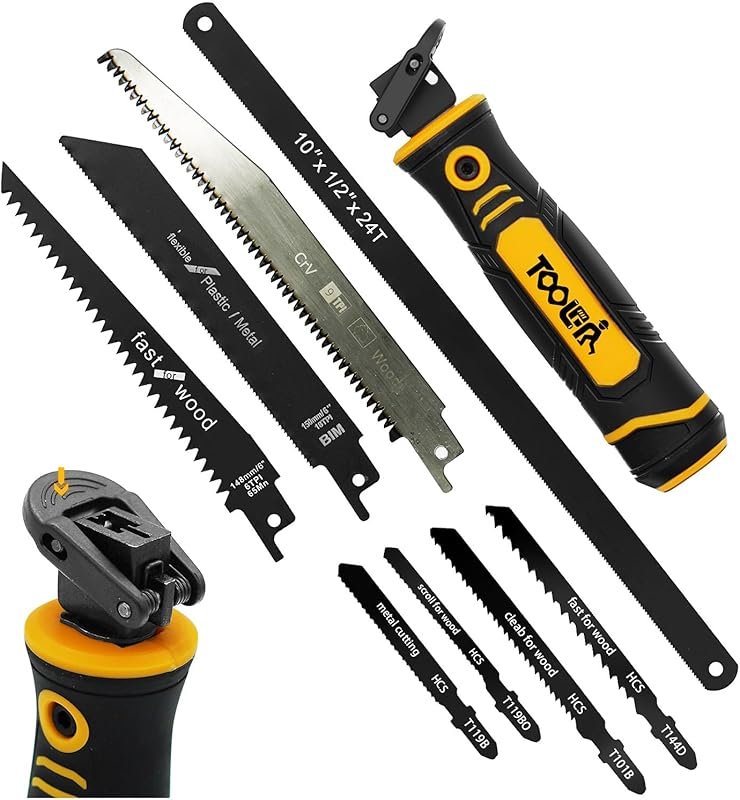
This one is a flexible hand saw for people who need a few blade options in one tool. It is especially handy if you bounce between drywall, wood, and light repair work. The quick-change setup makes it feel more useful than a basic fixed-blade saw.
Key Features That Stand Out
- ✓ 8-in-1 blade system for multiple tasks
- ✓ Quick-change design for faster blade swaps
- ✓ Non-slip TPR handle for comfort
- ✓ Lockback mechanism helps keep blades secure
- ✓ Works well for drywall and wood cutting
Why We Recommend It
This is a practical choice for people who want one of the best saws for DIY projects that can cover a few different jobs. It is not fancy, but it is flexible, and that is what many home users need. The multi-blade setup helps reduce the number of tools you have to buy.
Best For
Best for general home repair, drywall work, and light woodworking. It is also useful if you like having a backup hand saw with more options than usual.
Pros and Cons
Pros:
- Multiple blades add real versatility
- Comfortable handle for regular use
- Good value for mixed DIY jobs
- Secure blade locking system
Cons:
- Bulkier than a simple hand saw
- Not the fastest option for larger cuts
- Blade changes may take a moment to learn
Customer Reviews
Customer Review: “I like having different blades ready for different jobs.”
Customer Review: “Solid grip and useful for drywall repair around the house.”
6. Husfunov Japanese Hand Saw, 6-Inch Double-Edge Pull Saw with SK5 Flexible Blade
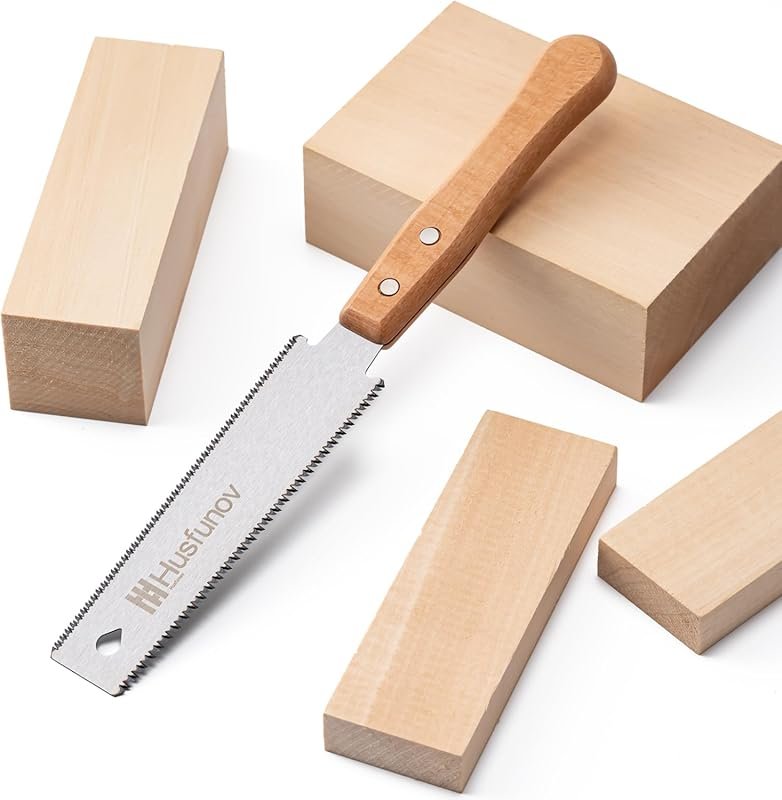
This saw is very similar in style to the first pick, and that is a good thing if you like Japanese pull saws. It is built for smooth, controlled cuts and feels easy to guide. For small woodworking jobs, it can be a very dependable tool.
Key Features That Stand Out
- ✓ Double-edge blade for two cutting styles
- ✓ SK5 flexible steel for precision and durability
- ✓ 17 TPI side for harder materials
- ✓ 11 TPI side for smoother general cuts
- ✓ Ergonomic soft grip handle
Why We Recommend It
If you are comparing the best saws for DIY projects and want a second Japanese-style option, this is a good one to consider. It gives you clean cuts with very little fuss. The flexible blade also helps it feel less harsh in use.
Best For
Best for trim, fine woodworking, and clean flush cuts. It is a strong fit for people who like hand tools that reward a light touch.
Pros and Cons
Pros:
- Excellent control for detail work
- Comfortable grip reduces hand strain
- Two blade edges add flexibility
- Good for precise finish cuts
Cons:
- Small blade size limits bigger jobs
- Not ideal for fast rough cutting
- Best performance needs careful technique
Customer Reviews
Customer Review: “Sharp, smooth, and easy to use on smaller projects.”
Customer Review: “A nice pull saw for clean work and tight spaces.”
7. Jig Saw Electric Jigsaw, 350W Electric Jigsaw with 45° Bevel, 3000 RPM Wood Cutter for DIY Projects
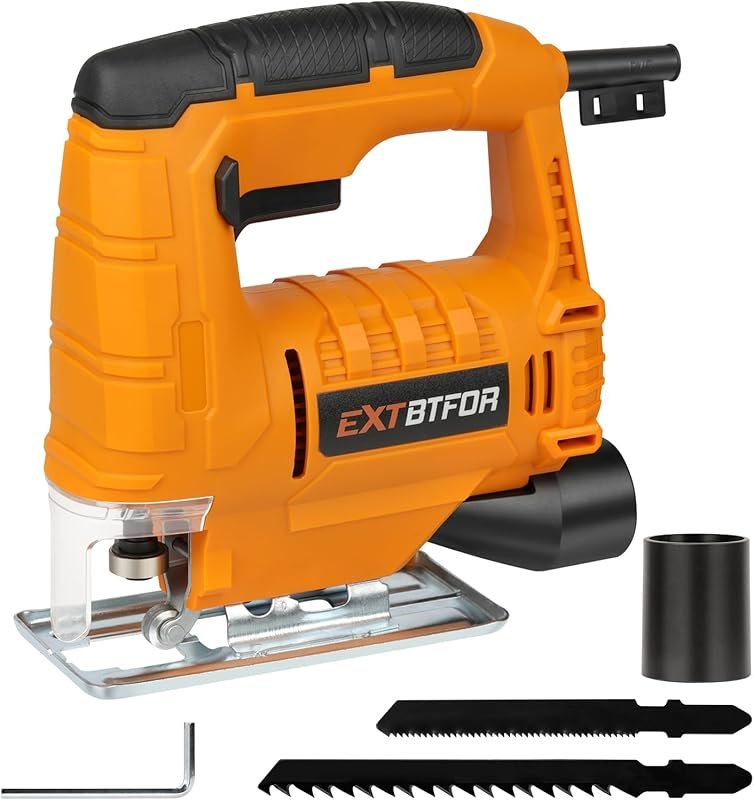
A jigsaw is one of those tools that saves the day when your project needs curves or cutouts. This one offers enough power for common home tasks without feeling too heavy. It is a good all-around pick for DIYers who want more shape options than a straight saw can give.
Key Features That Stand Out
- ✓ 350W motor with up to 3000 RPM
- ✓ Quick-release chuck for faster blade changes
- ✓ 45° bevel cutting for angled work
- ✓ Useful for curved and straight cuts
- ✓ Good fit for wood cutting and DIY projects
Why We Recommend It
This is one of the most useful best saws for DIY projects if you need shape control. It handles curves, cutouts, and bevels much better than a basic hand saw. That makes it a smart buy for people doing shelves, panels, or simple furniture repairs.
Best For
Best for curved cuts, cutouts, and angled DIY work. It is also a nice choice for beginners who want a power saw that is not too aggressive.
Pros and Cons
Pros:
- Great for curves and custom shapes
- Quick blade changes are convenient
- Bevel cutting adds versatility
- Good power for common home projects
Cons:
- Not as fast as a circular saw for long straight cuts
- Can wander if you rush the cut
- Best used with the right blade for the material
Customer Reviews
Customer Review: “Works well for curved cuts and feels easy to manage.”
Customer Review: “Good little jigsaw for home projects and quick blade swaps.”
8. Precision Mini Electric Table Saw, Adjustable Depth Desktop Craft Cutting Machine
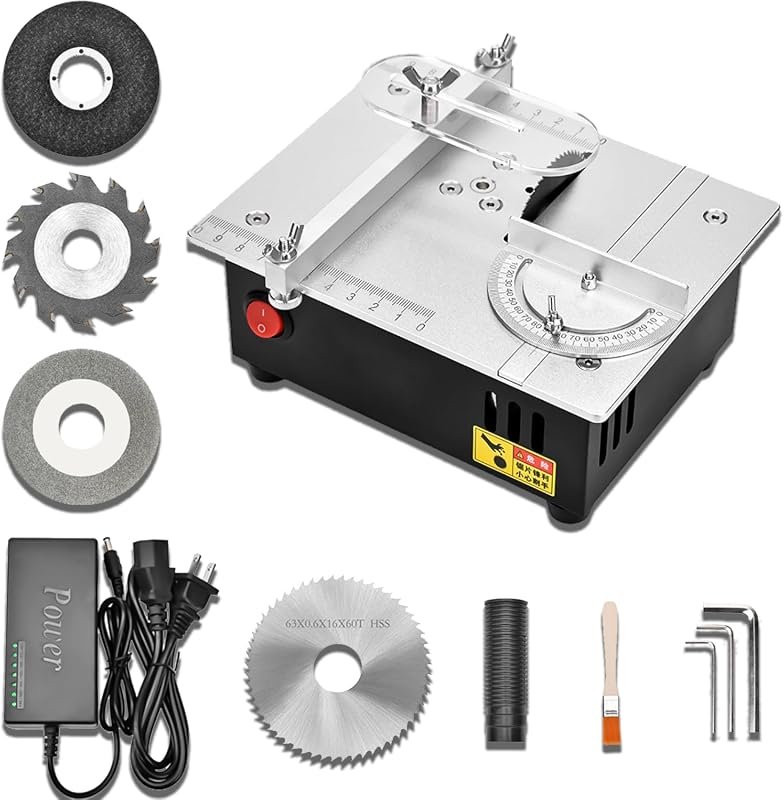
This mini electric table saw is aimed at people who want accurate small cuts. It feels like a desktop tool for careful work, not a big jobsite saw. For craft builds and small DIY pieces, that can be exactly what you need.
Key Features That Stand Out
- ✓ Adjustable depth for more control
- ✓ Compact desktop design for small spaces
- ✓ Aluminum alloy body for added durability
- ✓ Good for precise craft and woodworking cuts
- ✓ Lightweight and easy to move around
Why We Recommend It
If your projects are small and detail-focused, this belongs on any list of the best saws for DIY projects. It is especially helpful when you want repeatable cuts without setting up a large workshop saw. That makes it a nice fit for hobby users.
Best For
Best for small woodworking, model work, and desktop cutting tasks. It is also useful for anyone who needs a compact saw with depth control.
Pros and Cons
Pros:
- Very good for small, precise cuts
- Compact size saves space
- Adjustable depth adds flexibility
- Solid build for a mini tool
Cons:
- Not suitable for large boards
- Best for light-duty use only
- May be too specialized for general DIY buyers
Customer Reviews
Customer Review: “Compact, accurate, and useful for small craft pieces.”
Customer Review: “I like it for detail work because it stays steady on the bench.”
9. DOWELL 14-Inch Hand Saw, 11 TPI Fine-Cut Wood Saw for Wood, Drywall, and Plastic
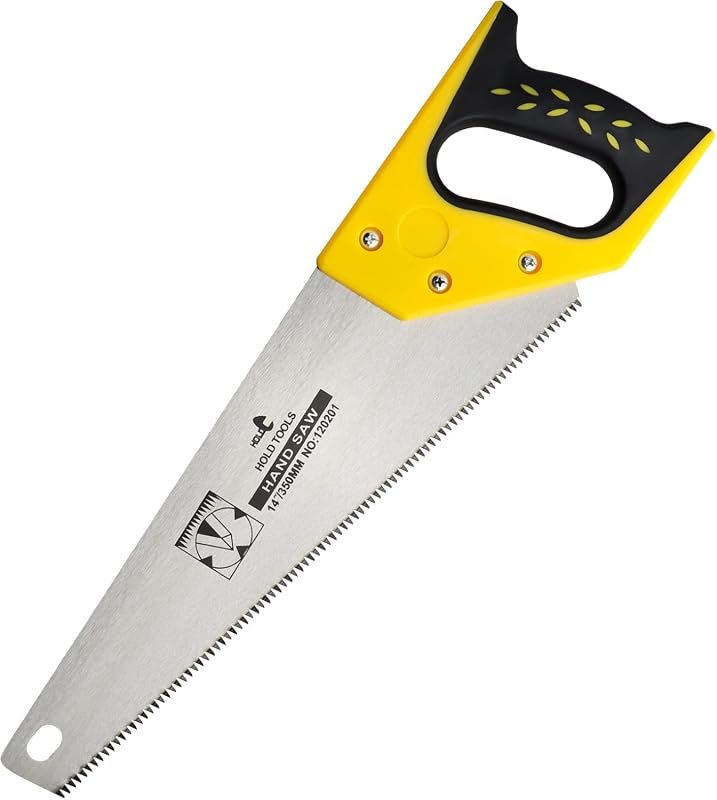
This is a straightforward hand saw for people who want a reliable everyday tool. It is longer than the small pull saws, so it can cover more material with each stroke. That makes it a nice all-purpose choice for basic home work.
Key Features That Stand Out
- ✓ 14-inch blade for broader cutting reach
- ✓ 11 TPI fine-cut design
- ✓ Triple-ground edge for faster cutting
- ✓ Comfort grip handle for better control
- ✓ Good for wood, drywall, and plastic
Why We Recommend It
This is one of the more balanced options among the best saws for DIY projects. It is simple, useful, and not overly specialized. If you want a dependable hand saw for general home use, it is a strong candidate.
Best For
Best for general household cutting, small carpentry tasks, and drywall work. It is a good fit for people who want one hand saw that can do a little of everything.
Pros and Cons
Pros:
- Longer blade helps with faster strokes
- Comfort grip is easy on the hand
- Useful for several common materials
- Simple tool with low learning curve
Cons:
- Not as precise as a pull saw for fine trim
- Manual cutting takes more effort
- Less versatile than a multi-blade kit
Customer Reviews
Customer Review: “Comfortable handle and it cuts wood well for everyday use.”
Customer Review: “A solid hand saw that feels sturdy and easy to control.”
10. SEESII Cordless Reciprocating Saw, Brushless 3500 RPM with 6 Blades and 2 Batteries
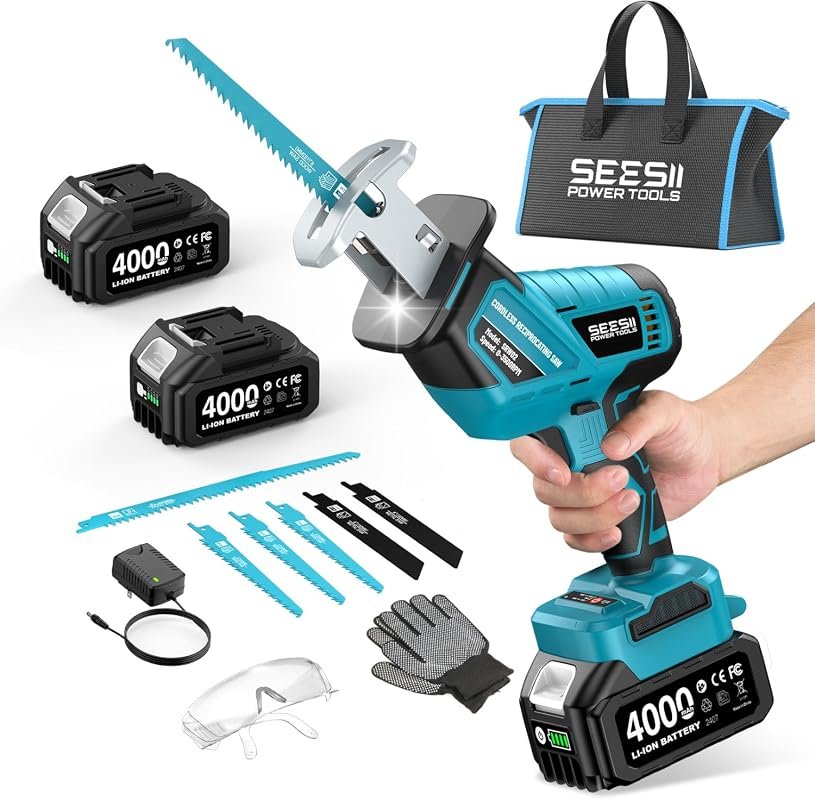
A reciprocating saw is the rough-cut workhorse in this roundup. This cordless model is useful when you need speed, reach, and the freedom to move around. It is a very practical tool for demo-style DIY jobs and bigger cleanup cuts.
Key Features That Stand Out
- ✓ Cordless design for better mobility
- ✓ Brushless motor for efficient cutting
- ✓ Up to 3500 RPM for fast work
- ✓ Includes 6 blades for different materials
- ✓ Comes with 2 batteries for longer use
Why We Recommend It
This is one of the best choices if your idea of the best saws for DIY projects includes demolition, pruning, or rough cutting. It is not the tool for delicate finish work, but it is great when speed matters. For tougher jobs, that is exactly what you want.
Best For
Best for demolition, remodeling, and quick rough cuts. It is also useful for people who want a cordless saw with more freedom on the job.
Pros and Cons
Pros:
- Cordless design improves portability
- Strong for rough and fast cutting
- Two batteries are helpful for longer projects
- Good blade variety adds flexibility
Cons:
- Too aggressive for fine finish work
- Can be tiring if used one-handed for long periods
- Not the best choice for very precise cuts
Customer Reviews
Customer Review: “Very handy for rough cuts and the cordless setup is a big plus.”
Customer Review: “It has good power and the extra battery helps a lot on longer jobs.”
Complete Buying Guide for Best Saws For Diy Projects
Essential Factors We Consider
When choosing the best saws for DIY projects, start with the kind of cuts you make most often. If you need clean trim work, a Japanese pull saw is a great fit. If you want speed and power for boards, a compact circular saw or jigsaw may be better. Also think about comfort, blade changes, cutting depth, and how much room you have to store the tool.
Budget Planning
It helps to match the saw to your real workload. A simple hand saw is usually the cheapest and can still cover a lot of home tasks. Power saws cost more, but they save time on bigger jobs. If you are just starting out, you may want one versatile saw first, then add a specialty tool later.
Final Thoughts
The best buy is the one that fits your projects, not just the one with the most features. Small craft work, trim, drywall, and rough cutting each need a different kind of saw. If you choose based on the jobs you do most, you will end up with a tool that feels useful right away.
Frequently Asked Questions
Q: What is the best saw for beginners doing DIY projects?
A: A simple hand saw or a compact jigsaw is often the easiest place to start. Both are easier to control than larger power saws and work well for common home tasks.
Q: Are Japanese pull saws good for DIY work?
A: Yes, they are great for clean, accurate cuts. They are especially useful for trim, small woodworking, and flush cuts.
Q: What saw should I buy for straight cuts?
A: A compact circular saw is a strong choice for straight cuts. A hand saw can also work, but it takes more effort and usually moves slower.
Q: Do I need a table saw for home DIY projects?
A: Not always. Mini table saws are helpful for small, precise work, but most homeowners can do a lot with a hand saw, jigsaw, or compact circular saw.
Q: Which saw is best for rough demolition work?
A: A reciprocating saw is usually the best option for rough demo jobs. It cuts fast and handles messy work very well.
In the end, the best saws for DIY projects depend on the kind of work you do most. If you want clean detail cuts, go with a pull saw. If you need speed, choose a compact power saw. Take a quick look at your next project, then pick the tool that makes that job easier. If one of these stood out to you, now is a good time to check the price and add the right saw to your toolkit.