If you are shopping for the best saws for intricate cuts, the right tool can make a huge difference in how clean, safe, and stress-free your project feels. Whether you are trimming delicate wood joints, cutting flush edges, or shaping small craft parts, a saw with good control matters more than raw power. In this roundup, I focused on tools that handle detail work well and picked options for hobbyists, DIYers, and heavier-duty jobs.
Quick Product Comparison
Our Top 6 Best Saws For Intricate Cuts Reviews – Expert Tested & Recommended
1. M-T Mini Table Saw
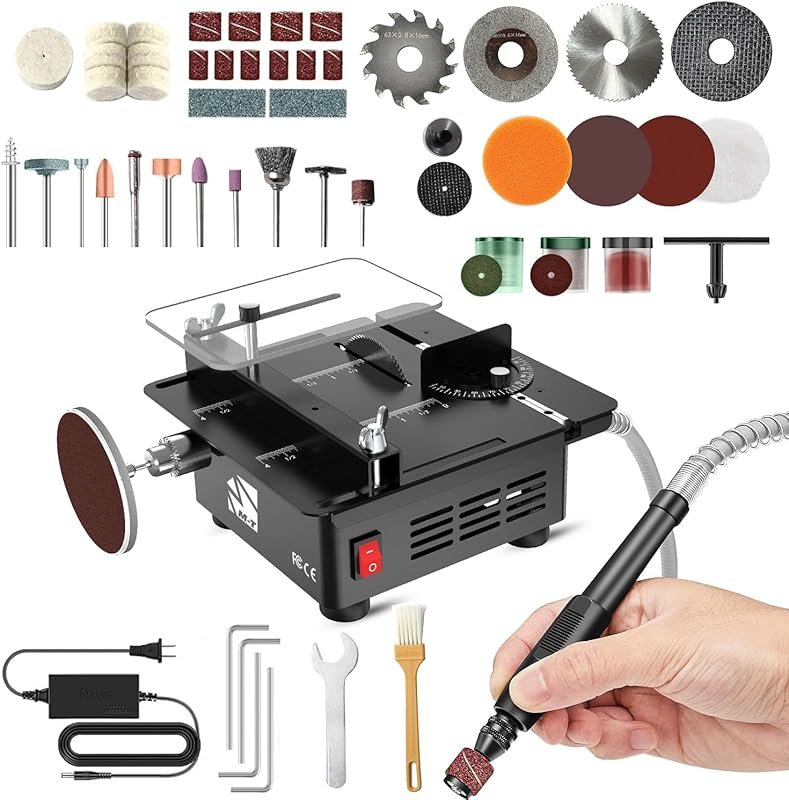
If you want one of the best saws for intricate cuts in a small workspace, this mini table saw is a very smart pick. It feels made for craft work, PCB trimming, acrylic, and other light materials where control matters more than brute force.
Key Features That Stand Out
✓ Compact desktop size that fits on a small bench or craft table
✓ 7-speed control for better cut control across different materials
✓ Includes 4 blades for wood, PCB, acrylic, and resin work
✓ 100W motor with up to 6000 RPM for clean, quick cuts
✓ Portable design that is easy to move and store
Why We Recommend It
This is a great choice if you do a lot of hobby work and want a saw that stays precise. The small footprint makes it easy to keep nearby, and the multiple blade options help it handle different detail tasks without much fuss.
Best For
Best for crafters, model makers, and DIY users who need a compact saw for fine, repeatable cuts.
Pros and Cons
Pros:
- Very compact and easy to store
- Good speed control for delicate work
- Multiple blades add flexibility
- Useful for wood, acrylic, and PCB materials
Cons:
- Not meant for heavy-duty construction jobs
- Small size limits larger workpieces
- Best results come with slower, careful feeding
Customer Reviews
Customer Review: “Perfect for my little craft bench. It takes up almost no space and makes clean cuts on small parts.”
Customer Review: “I like the speed settings and the blade options. It feels made for hobby work, not rough carpentry.”
2. Heavy-Duty EUS1800 Undercut Saw Jamb Saw Kit
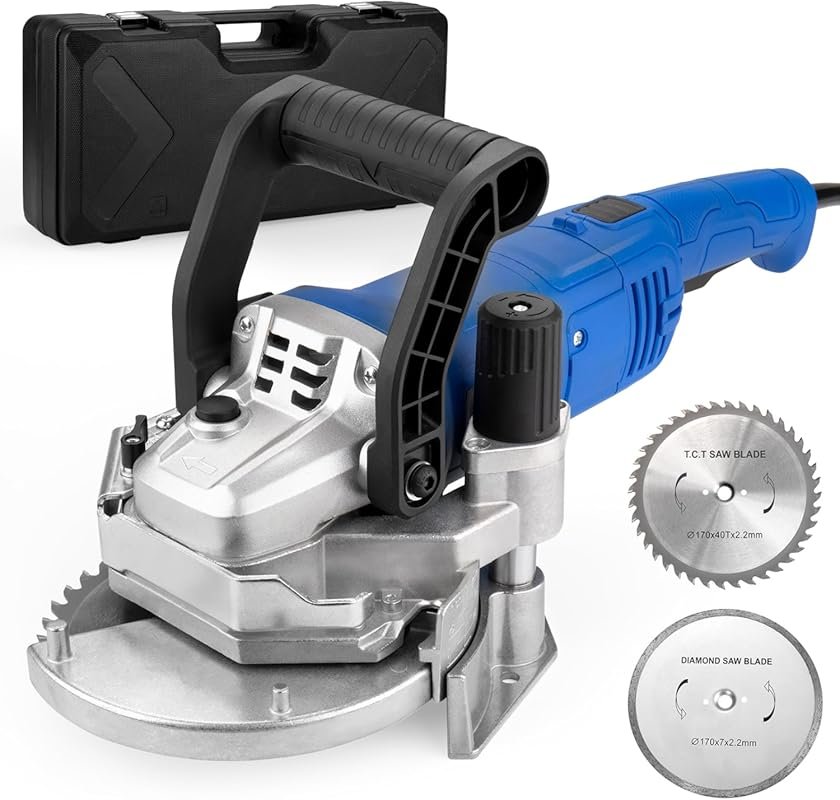
This undercut saw is a stronger, more jobsite-ready option for detailed trim work. If your version of intricate cuts means door jambs, flooring edges, or tight undercuts, this tool feels much more serious than a small craft saw.
Key Features That Stand Out
✓ Powerful 1800W motor for fast cutting
✓ Alloy wood blade and diamond blade for more material options
✓ Designed for undercut and jamb-style work
✓ Durable body and base for longer use
✓ Good fit for tougher renovation tasks
Why We Recommend It
We like it because it solves a very specific problem well. It is not trying to be a general hobby saw, and that focus makes it useful when you need clean, tight cuts in real-world remodeling work.
Best For
Best for remodelers and contractors who need controlled undercutting around trim, flooring, and jambs.
Pros and Cons
Pros:
- Strong motor for demanding cuts
- Useful blade options for different materials
- Built for undercut and trim work
- Durable enough for frequent jobsite use
Cons:
- Bulkier than a hand saw or hobby saw
- Too specialized for casual craft users
- May feel like overkill for very small projects
Customer Reviews
Customer Review: “This made my door jamb cuts much easier. It feels strong and handled the job without bogging down.”
Customer Review: “A serious tool for trim work. It is not tiny, but it gets the cut done cleanly.”
3. SUIZAN Flush Cut Saw
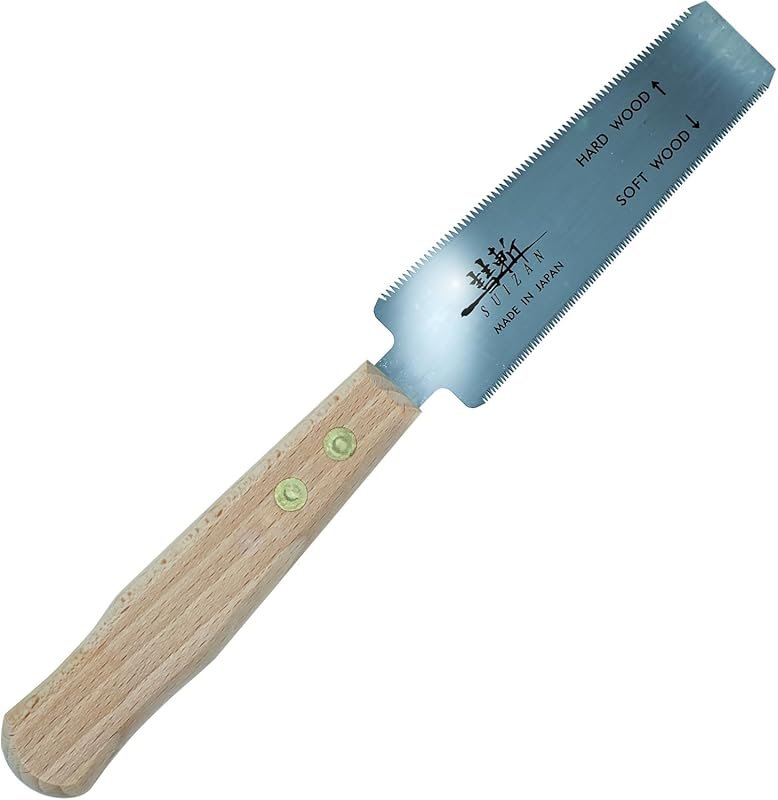
The SUIZAN flush cut saw is one of those tools that just feels right when you need a clean, careful finish. It is especially nice for trimming dowels, plugs, and joints close to the surface without leaving a rough edge.
Key Features That Stand Out
✓ Japanese pull-saw design for smoother, finer control
✓ Razor-sharp Japanese steel blade
✓ Great for flush cuts and detail woodworking
✓ Lightweight hand saw feel that reduces fatigue
✓ Made in Japan by skilled craftsmen
Why We Recommend It
This is a classic choice for anyone who values precision over speed. It cuts on the pull stroke, which many woodworkers find easier to guide, and that helps a lot when working near a finished surface.
Best For
Best for woodworkers who want a simple hand saw for flush trimming, joinery cleanup, and fine detail work.
Pros and Cons
Pros:
- Excellent control for flush cuts
- Sharp blade gives a clean finish
- Light and easy to handle
- Great value for detail woodworking
Cons:
- Not ideal for thick or heavy stock
- Requires a bit of technique if you are new to pull saws
- Manual cutting is slower than powered saws
Customer Reviews
Customer Review: “Super sharp and very accurate. It is my go-to saw for trimming plugs flush.”
Customer Review: “Small, simple, and effective. The pull action took one project to get used to, but now I love it.”
4. 10A Variable Speed Metal Band Saw
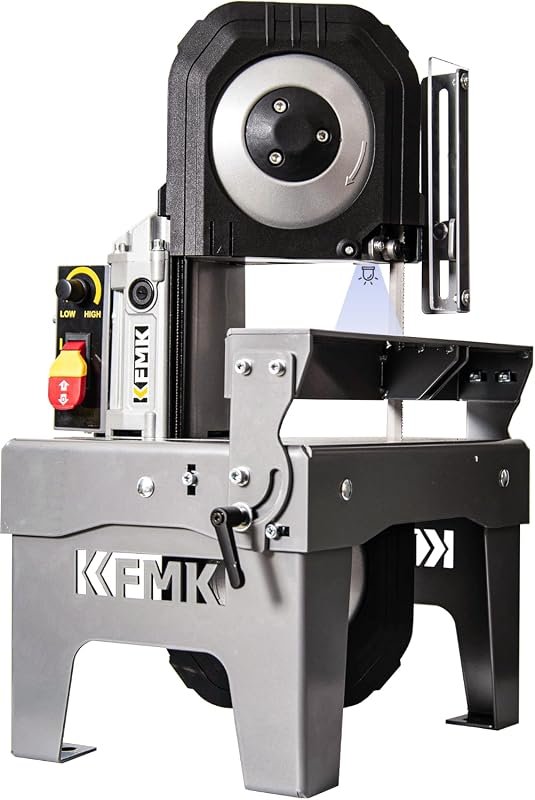
If your intricate cuts involve metal, tubing, or mixed materials, this band saw gives you more capacity and control than most handheld tools. It is a solid pick when you need steady, repeatable cuts on a bench.
Key Features That Stand Out
✓ 10 amp motor for reliable cutting power
✓ Adjustable cutting speed from 137 to 472 FPM
✓ 5-inch cutting capacity for larger workpieces
✓ Large workbench for added stability
✓ Good choice for metal and precision shop work
Why We Recommend It
This saw stands out because it balances power and control very well. The variable speed is especially helpful when you are switching between materials or trying to keep a cleaner edge on more delicate cuts.
Best For
Best for metalworkers and serious DIY users who need controlled cuts on a bench setup.
Pros and Cons
Pros:
- Variable speed adds flexibility
- Stable workbench helps with accuracy
- Handles larger materials than many detail saws
- Good for metal-focused cutting tasks
Cons:
- Large and not easy to move around
- Not the best fit for tiny craft pieces
- Requires more shop space than hand tools
Customer Reviews
Customer Review: “The speed control is the best part. I can slow it down for cleaner cuts and speed it up when needed.”
Customer Review: “Very steady on the bench and strong enough for my metal projects. It is not a small tool, but it works well.”
5. FULLYEA Cordless Reciprocating Saw
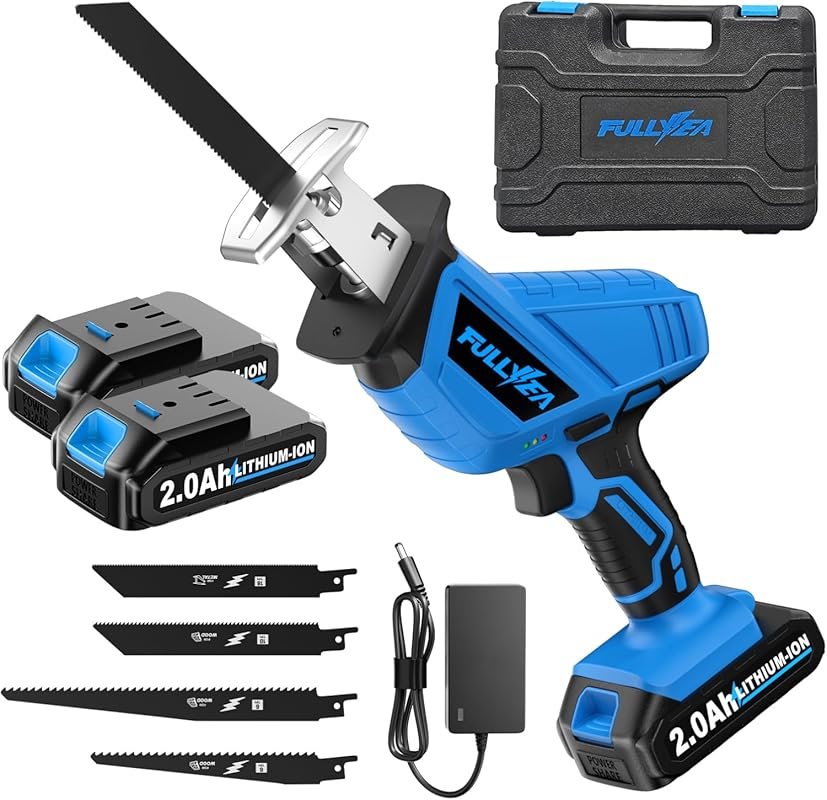
This cordless reciprocating saw is more about versatility than ultra-fine finishing, but it still belongs in a list of the best saws for intricate cuts because it can reach awkward spots. When you need to cut in tight areas or deal with mixed materials, that freedom matters.
Key Features That Stand Out
✓ Variable speed up to 3500 SPM
✓ Cordless design for better movement around the job
✓ Tool-free blade change for faster swaps
✓ Cuts wood, pipe, plastic, metal, and more
✓ 28mm stroke for efficient cutting action
Why We Recommend It
We recommend it for users who want one saw that can handle a lot of different tasks. It is not the most delicate saw here, but it is very handy when a project shifts from detail work to rougher cutting in a tight space.
Best For
Best for homeowners and DIYers who need a flexible saw for awkward cuts, demo work, and mixed materials.
Pros and Cons
Pros:
- Cordless design improves mobility
- Fast blade changes save time
- Works on many material types
- Variable speed helps with control
Cons:
- Less precise than a flush or coping saw
- Can be aggressive on very delicate work
- Best for utility cuts, not finish cuts
Customer Reviews
Customer Review: “Handy for tight spots and quick cuts. I would not use it for fine finishing, but it is great for what it is.”
Customer Review: “Battery freedom makes a big difference. It is easy to swap blades and get back to work fast.”
6. IRWIN ProTouch Coping Saw
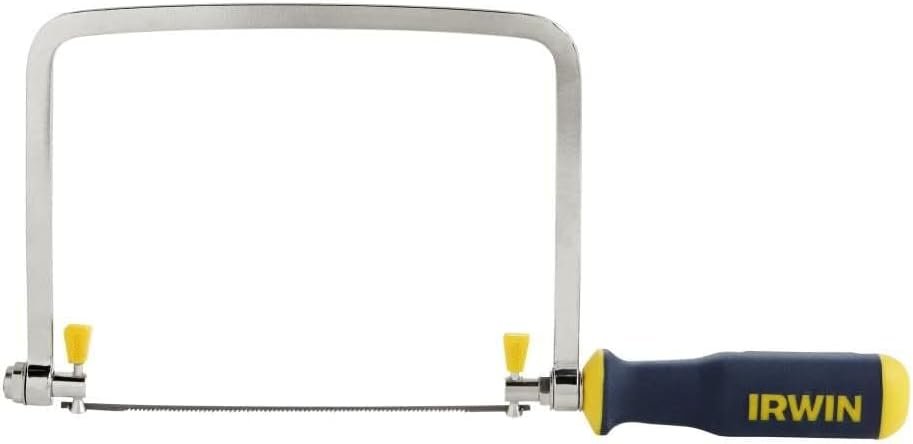
The IRWIN ProTouch coping saw is a classic detail tool, and it earns its place here because it is made for careful curved and intricate cuts. If you have ever needed to follow a line slowly and cleanly, this is the kind of saw that makes sense.
Key Features That Stand Out
✓ Precision coping saw blade for detail cuts
✓ Flat-bar frame for steady control
✓ DuraSteel pins for added durability
✓ Comfortable ProTouch handle
✓ Good for curved and tight cuts in wood
Why We Recommend It
This saw is simple, affordable, and dependable. It gives you a lot of control for the money, and that makes it a favorite for trim work, hobby projects, and small woodworking fixes.
Best For
Best for woodworkers who need a low-cost hand saw for curves, coping joints, and small detail cuts.
Pros and Cons
Pros:
- Great control for curved cuts
- Comfortable handle for hand use
- Lightweight and easy to store
- Very budget-friendly
Cons:
- Slower than powered saws
- Blades may need more frequent replacement
- Not built for larger stock or heavy cutting
Customer Reviews
Customer Review: “A simple saw that does exactly what I need. Great for tight trim cuts and coping joints.”
Customer Review: “Comfortable in the hand and easy to guide. It is old-school, but it works well.”
Complete Buying Guide for Best Saws For Intricate Cuts
Essential Factors We Consider
When choosing the best saws for intricate cuts, the first thing to think about is control. A saw can be powerful, but if it is hard to guide, it will not help much on fine work. Blade type, handle comfort, speed control, and the kind of material you cut most often all matter a lot.
Budget Planning
You do not always need to spend big to get clean detail cuts. A good coping saw or flush cut saw can handle many small jobs for a low price, while a powered mini table saw or band saw makes sense if you do crafts or shop work often. The best value usually comes from matching the tool to the task instead of buying the biggest saw available.
Final Thoughts
If your work is mostly trim, hobby builds, or careful woodworking, a smaller hand tool may be all you need. If you want speed and flexibility, a powered saw can save time and reduce strain. The right choice depends on how often you cut, what you cut, and how neat the final edge needs to be.
Frequently Asked Questions
Q: What type of saw is best for very fine detail cuts?
A: A coping saw or flush cut saw is often best for very fine detail work because it gives you a lot of control and a cleaner finish.
Q: Are powered saws better than hand saws for intricate cuts?
A: Not always. Powered saws are faster, but hand saws often give better control for delicate finishing work.
Q: Can a mini table saw handle acrylic and PCB material?
A: Yes, a mini table saw with the right blade can work well for acrylic, PCB, and other small craft materials.
Q: What should I look for in a saw for trim work?
A: Look for blade control, a comfortable grip, and a design that can make clean cuts close to the surface.
Q: Is a reciprocating saw good for intricate cuts?
A: It is better for utility cuts and tight spaces than for fine finishing. It is useful, but not the most precise option.
Choosing the best saws for intricate cuts really comes down to the kind of work you do most. If you want clean finish cuts, go with a flush cut or coping saw. If you need more power for crafts, trim, or shop tasks, one of the powered options above may fit better. Either way, a saw that feels controlled in your hand will make your projects easier and your results much cleaner, so take a look at the options above and pick the one that matches your work style.