

When embarking on home improvement projects, many DIY enthusiasts often ask, “is there a special screwdriver for electrical boxes?” While a standard kitchen screwdriver might seem sufficient for tightening a loose light switch cover, working with electrical components requires more precision, safety, and specific design features than general-purpose tools offer.
In the United States, electrical work is governed by rigorous safety standards, such as those outlined by the Occupational Safety and Health Administration (OSHA), which emphasize the importance of using the correct, insulated equipment to prevent accidental contact with live circuits.
Why Standard Drivers Often Fall Short
Using the wrong tool can lead to stripped screw heads, damaged wall plates, or, more dangerously, damaged internal wiring. Professional electricians rely on specialized tool sets to ensure longevity and safety. You can review the essential components of these kits in this professional electricians’ tool set guide.
Key reasons to consider specialized drivers include:
- Insulation: Many electrical screwdrivers are 1000V-rated to protect the user from electrical shock.
- Shank Geometry: Specialized tips are designed to fit the specific screws found on receptacles and junction boxes, preventing cam-out (slipping).
- Ergonomics: Electrical tasks often involve repetitive motions in confined spaces; therefore, professional-grade handles are designed to reduce hand fatigue.
Recognizing the Need for Precision
Homeowners should understand that “is there a special screwdriver for electrical boxes” is not just about the tool’s appearance, but its electrical safety features. Whether you are installing a smart home switch or replacing a standard outlet, utilizing tools that meet industry benchmarks, such as those discussed by the National Fire Protection Association (NFPA), is critical for maintaining home safety and ensuring your electrical connections remain compliant with local codes.
Ultimately, while a basic driver might suffice for a quick task, investing in dedicated electrical tools minimizes the risk of short circuits and mechanical failures within your electrical infrastructure.
Key Takeaways
When homeowners ask, “is there a special screwdriver for electrical boxes,” the answer involves more than just selecting a standard tool from a kitchen drawer. Selecting the right equipment ensures safety, protects sensitive components, and guarantees compliance with National Electrical Code (NEC) requirements. Using the correct tools is essential for maintaining a safe home environment and preventing damage to delicate wiring infrastructure.
For those looking to build a professional-grade kit, referencing a professional electricians tool set provides the foundation for success.
- Insulation is Mandatory: For safety, professionals use insulated tools that are rated for 1,000 volts to prevent accidental short circuits or shock.
- Size Matters: Electrical hardware often requires specific drive sizes, such as #1 or #2 Phillips or precision-slotted tips, to prevent stripping the screw heads.
- Specialty Geometry: In cramped electrical boxes, users should utilize offset or stubby drivers to maintain leverage where standard tools cannot reach.
- Torque Control: Proper installation requires controlled pressure to avoid damaging threads or causing loose connections, which can lead to overheating as outlined by the Occupational Safety and Health Administration (OSHA).
Quick Summary Checklist
- Always confirm power is off at the breaker panel before touching any electrical components.
- Match the tool to the screw to prevent cam-out or damage to the electrical box’s mounting threads.
- Prioritize ergonomics by choosing drivers with comfortable, non-slip handles for repetitive tasks.
- Avoid power drills for final tightening, as they lack the tactile feedback necessary to prevent over-tightening of sensitive terminal screws.
Understanding Electrical Box Screw Types
When homeowners and DIY enthusiasts first approach a wiring project, a common question arises: is there a special screwdriver for electrical boxes? While there is no single “magical” tool that handles every situation, electrical components rely on specific fasteners that require precision. Understanding the hardware found in standard US wall boxes is essential to avoid stripping screws or damaging delicate plastic threads. For those building out their gear, consulting a guide to professional electricians tool sets can provide clarity on the essential kit needed for these tasks.
Common Phillips and Slotted Screws
Most electrical boxes and devices in the United States utilize two primary screw profiles. Recognizing the difference is vital for maintaining the integrity of the installation according to OSHA electrical safety standards.
- Phillips Head (#1 or #2): These are the most common screws found on modern device mounting straps, such as light switches and GFCI outlets.
- Slotted (Flathead): Frequently found on older installations or specific terminal blocks, these screws require a perfectly matched blade width to prevent cam-out.
- Combination Heads: Many modern devices feature a “Combo” screw head, designed to accept both Phillips and Slotted drivers, providing versatility during installation.
The Importance of Drive Sizes
Selecting the wrong drive size is the leading cause of damaged hardware. When considering is there a special screwdriver for electrical boxes, the answer often lies in the fit rather than the brand.
- #1 Phillips: Typically reserved for smaller, delicate screws often found on dimmer switch faceplates.
- #2 Phillips: The industry standard for the vast majority of outlet and switch mounting screws.
- 3/16″ Slotted: A common size for terminal screws where a flat-blade driver is required to secure wires under pressure.
Using a driver that is too small can lead to “cam-out,” where the tool slips out of the screw head, potentially damaging the surrounding plastic of the wall plate or the box itself. For further reading on standard installation practices, the National Electrical Manufacturers Association (NEMA) provides extensive documentation on device configuration and safety requirements. Always ensure the driver tip fits snugly into the screw head to ensure maximum torque transfer without causing physical wear.

The Role of Insulated Screwdrivers
When wondering is there a special screwdriver for electrical boxes, the most important consideration for any DIY enthusiast or professional is safety. While standard screwdrivers can turn screws, they offer no protection against accidental contact with live electrical currents. Insulated screwdrivers are purpose-built tools designed to act as a barrier between the user and potential voltage, making them an essential component of a professional electrician’s tool set.
Safety Ratings Explained
To determine if a tool is safe for electrical work, one must look for specific international certifications. These ratings ensure the tool can withstand high voltages without conducting electricity to the user’s hand.
- VDE Certification: Many tools carry a VDE (Verband der Elektrotechnik) rating, which indicates they have been rigorously tested for electrical safety.
- 1000V Rating: A high-quality insulated screwdriver is typically rated for use up to 1000V AC or 1500V DC. This marking is usually printed clearly on the tool’s handle.
- ASTM F1505: In the United States, professional tools often comply with ASTM F1505 standards, which define the requirements for insulated hand tools used for work on energized electrical equipment.
Why Insulation Matters for Homeowners
Even if a homeowner believes the power is off, human error or unexpected wiring setups can lead to live circuits. Relying on basic hardware store tools in these scenarios is a significant risk.
Using insulated tools provides three critical layers of protection:
- Dielectric Material: The shaft of the screwdriver is coated in a non-conductive, high-impact material that prevents short-circuiting if the tool accidentally touches a grounded metal box.
- Reduced Injury Risk: In the event of an accidental arc, the insulation minimizes the risk of severe electrical shock or burns.
- Compliance with Best Practices: According to the Occupational Safety and Health Administration (OSHA), using proper insulated tools is a fundamental step in maintaining an electrically safe work condition.
By prioritizing tools with high safety ratings, users can perform tasks with greater confidence, ensuring they are not just using the right tool for the job, but the safest one available.
Specialty Screwdrivers for Tight Spaces
When homeowners find themselves struggling to reach screws recessed deep within a crowded wall cavity, they often ask, is there a special screwdriver for electrical boxes? The answer is a resounding yes; professionals frequently rely on specialized geometry to navigate the narrow, often cluttered environments of electrical junctions. Utilizing the right tool not only prevents damage to sensitive components but also adheres to the safety standards set by the Occupational Safety and Health Administration (OSHA). For a comprehensive breakdown of the essential gear every professional should own, refer to this ultimate guide to professional electricians’ tool sets.
Offset Screwdrivers for Depth Issues
In instances where a standard straight shank cannot reach the screw head due to obstructions, an offset screwdriver becomes an invaluable asset. These tools feature a unique, L-shaped design that allows the user to apply torque at a 90-degree angle.
- Low Profile: Perfect for when a deep-set box prevents the handle of a traditional driver from clearing the wall.
- Leverage: The right-angle design allows for extra torque, which is essential for loosening stubborn, painted-over screws.
- Material Strength: High-quality offset drivers are typically crafted from hardened steel to prevent the tip from slipping and stripping the screw head.
According to research on ergonomics in hand tool usage, selecting the correct handle geometry reduces the risk of musculoskeletal fatigue during prolonged installation tasks.
Stubby Drivers for Cramped Boxes
When the issue is not depth but rather a lack of clearance in front of the box, a stubby driver is the go-to solution. These compact tools are characterized by their extremely short shanks, allowing them to fit into confined areas where a full-length screwdriver would simply hit the opposite wall or furniture.
Key advantages of stubby drivers include:
- Maneuverability: They provide the precision needed to start screws in tight corners without damaging surrounding drywall.
- High Control: Because the hand is closer to the screw head, the user maintains better tactile feedback, reducing the likelihood of over-tightening.
- Portability: They fit easily into any pocket, making them a staple in any electrician’s tool pouch for quick repairs on the go.
Whether working on a new smart switch or a standard outlet, choosing the right physical form factor is as important as choosing the right drive tip.
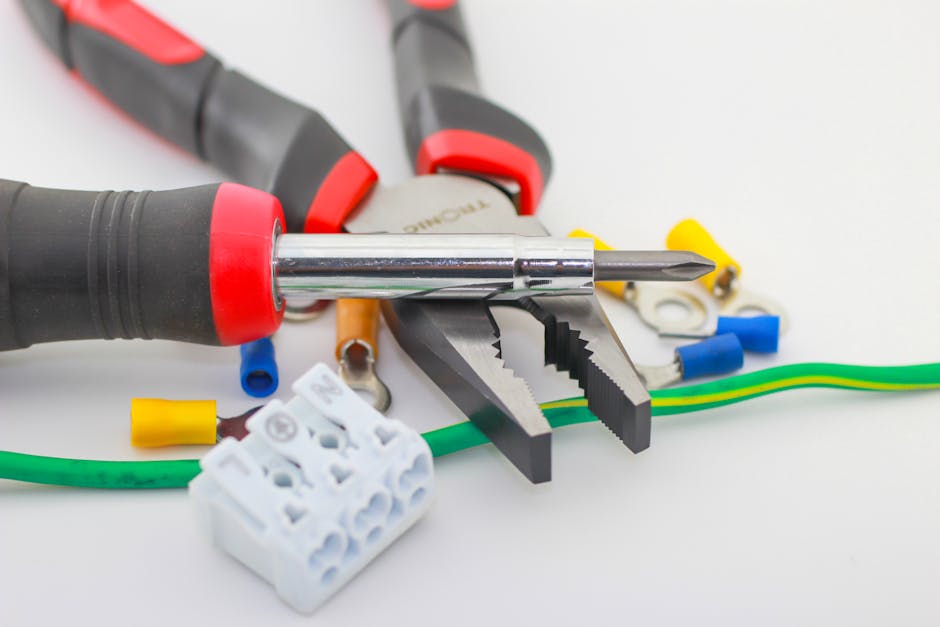
Multi-Bit Drivers vs. Dedicated Tools
When homeowners ask, is there a special screwdriver for electrical boxes, they are often caught in the debate between versatility and specialization. While many standard toolkits favor multi-bit drivers for their compact nature, professional electricians often rely on dedicated, singular tools to ensure the highest standard of safety and performance. Choosing between these options depends largely on the frequency of work and the complexity of the electrical systems being maintained. According to standards set by the Occupational Safety and Health Administration (OSHA), using the correct tool for the specific application is essential to reducing workplace hazards.
Convenience of All-in-One Tools
Multi-bit drivers are popular for quick, household-level repairs because they consolidate several tip profiles into one handle.
- Space-Saving Efficiency: They eliminate the need for a bulky tool belt, making them ideal for small projects like swapping a light switch cover.
- Rapid Interchangeability: Users can switch from a Phillips to a slotted tip in seconds, which is perfect for DIY tasks involving various fastener types.
- Portability: They are a common feature in many professional electricians’ tool sets, providing a lightweight option for troubleshooting light circuits.
However, these tools often have a larger shank diameter, which may prevent them from fitting into the narrow, recessed spaces of some older electrical boxes.
Precision and Durability Considerations
While multi-bit drivers offer convenience, dedicated screwdrivers are often preferred for critical electrical connections where precision is paramount.
- Reduced Cam-out: Dedicated screwdrivers are machined to precise tolerances, reducing the risk of “cam-out”—where the bit slips out of the screw head—which can damage the delicate threading inside a wall box.
- Increased Durability: Because they lack moving parts or interchangeable bits, dedicated drivers are less likely to develop “wobble” over time.
- Enhanced Safety: Many dedicated insulated tools undergo rigorous testing, such as the standards outlined by the International Electrotechnical Commission (IEC), to ensure they provide reliable protection against live current.
When evaluating if is there a special screwdriver for electrical boxes that provides the most reliability, many pros conclude that a dedicated driver is better for the long-term integrity of the installation. A high-quality, dedicated driver offers superior torque control and reduces the likelihood of stripping the soft metal screws often found in modern switch gear.
Selecting the Right Shank Length
When asking is there a special screwdriver for electrical boxes, the answer often lies in the physical dimensions of the tool. Choosing the appropriate shank length is critical for both accessibility and operator efficiency. An improperly sized shank can prevent a technician from reaching recessed mounting screws or, conversely, make it impossible to maneuver within a crowded junction box. For those building out their professional kit, understanding the importance of professional-grade tools is the first step toward successful electrical work.
Why Length Affects Leverage
The length of the screwdriver shank directly dictates the amount of torque applied to a fastener. A longer shank offers:
- Increased Reach: Essential for reaching deep-seated device mounting screws in high-volume boxes.
- Enhanced Leverage: Longer shafts often allow for a more ergonomic grip, providing the force needed to secure heavy-duty outlets or modern smart switches.
- Visual Clearance: A longer shaft keeps the user’s hand away from the face of the box, offering a clearer line of sight to the screw head.
However, too much length can be a detriment in tight spaces. For safety standards regarding workspace clearance, users should refer to the National Electrical Code (NEC), which outlines the requirements for working space around electrical equipment.
Avoiding Damage to Box Threading
Using a screwdriver with an incorrect shank—or one that doesn’t seat properly—is a leading cause of stripped screws and damaged box threads. To maintain the integrity of the electrical box, one must:
- Ensure Proper Alignment: A shank that is too short may force the user to work at an angle, which leads to cam-out and eventual damage to the screw head.
- Match the Drive: Always verify that the tip fits the screw head perfectly to prevent slippage. According to guidelines from the Occupational Safety and Health Administration (OSHA), utilizing the correct hand tools is a fundamental aspect of preventing workplace injuries caused by tool failure.
- Control the Depth: A shank that is too long can easily hit the back of a shallow box, potentially damaging wires or the rear housing of the electrical device.
By selecting the correct length, the installer minimizes the risk of cross-threading, ensuring that devices remain securely mounted for the long term.

The Impact of Torque Requirements
When homeowners ask, “is there a special screwdriver for electrical boxes,” they often overlook the critical importance of torque application. Proper installation isn’t just about turning a screw; it is about achieving the manufacturer’s specified tension to ensure safe electrical connectivity. Whether you are assembling a basic circuit or upgrading to professional electricians’ tool sets, understanding torque is essential for long-term safety and fire prevention.
Hand Tools vs. Power Drivers
The choice between a manual driver and a motorized unit significantly impacts the integrity of electrical terminals.
- Manual Hand Tools: These offer superior tactile feedback. An electrician can feel the resistance as the screw seats, allowing for precise control.
- Power Drivers: While convenient, impact drivers can easily generate excessive torque, leading to stripped threads or fractured plastic housings on devices.
- Best Practice: Always default to manual drivers for delicate wiring connections. According to guidelines from the National Fire Protection Association (NFPA), ensuring that connections are properly secured prevents resistive heating at the contact point.
Preventing Over-Tightening Issues
Applying too much force is a common mistake that compromises the reliability of your electrical system. To maintain safety, consider these factors:
- Thread Damage: Most electrical boxes are made of stamped metal or PVC; forcing a screw beyond its limit will strip the hole, rendering the box useless for future repairs.
- Device Integrity: Modern smart switches often feature fragile mounting ears. Excessive torque can cause these to snap, leaving the device loose in the wall.
- Use of Torque Drivers: In commercial or high-load residential installations, a calibrated torque screwdriver is recommended to meet specific code requirements. This ensures every terminal is tightened to the manufacturer’s exact specifications, preventing loose connections which are a leading cause of electrical arcs.
- Reference Standards: For detailed requirements regarding device mounting and box installation, consult the Occupational Safety and Health Administration (OSHA) standards for electrical safety in the workplace to ensure all hardware is installed to industrial-grade durability.
By respecting the torque limits of your electrical hardware, you ensure that the installation remains secure for years to come. Recognizing that the tool used is just as important as the technique will save time and prevent costly damage to your home’s infrastructure.
Frequently Asked Questions
Many homeowners often ask, “is there a special screwdriver for electrical boxes” when preparing for home improvement projects. While there isn’t one single “magic” tool, specific designs are engineered to handle the unique challenges of electrical work, such as preventing short circuits and reaching into recessed junction boxes. For those looking to upgrade their gear, consulting professional electrician tool sets can provide better insight into the industry-standard equipment required for safe, efficient installations.
Can I use a standard kitchen screwdriver?
While a standard kitchen screwdriver might fit the screw head, it is often discouraged for electrical work for several reasons:
- Lack of Insulation: Household screwdrivers rarely feature 1,000V-rated insulation, which is vital for preventing accidental shocks.
- Handle Shape: Electrical screwdrivers are designed with ergonomic, slip-resistant grips specifically for the hand positions used by pros.
- Safety Standards: According to the Occupational Safety and Health Administration (OSHA), workers must use tools that protect against live current, a standard that kitchen tools simply do not meet.
What size screwdriver fits a standard wall plate?
For most residential wall plates, you will typically need:
- #1 Phillips head or a standard 3/16-inch slotted screwdriver.
- It is critical to choose the correct size to prevent “cam-out,” which strips the screw head and makes future removal difficult.
- Always ensure the tip of the tool matches the slot depth perfectly.
Are power drills safe for electrical boxes?
Using power tools on electrical components is generally risky:
- Over-torque Risk: Power drills can easily crack plastic junction boxes or strip the metal threads of steel boxes.
- Safety Hazards: An accidental slip of a spinning drill bit can nick wire insulation, creating a significant fire hazard.
- Best Practice: Most professionals prefer manual screwdrivers for the final tightening of switches and outlets to maintain proper torque control. Always refer to the National Electrical Code (NEC) for specific installation guidelines regarding device mounting.
Do I need a torque screwdriver for outlets?
While not strictly required for every DIYer, a torque screwdriver is highly recommended for professional-grade results:
- Ensuring Connectivity: It prevents loose connections that lead to arcing and overheating.
- Manufacturer Compliance: Many modern electrical devices have specific torque requirements printed on them; exceeding these can damage the terminal screws.
- Consistency: It provides the exact tension needed to keep wires secure under thermal expansion and contraction.
Maintaining Your Electrical Tool Kit
Proper maintenance of high-quality hand tools ensures both safety and precision during home improvement projects. While homeowners often ask, is there a special screwdriver for electrical boxes, the secret to longevity actually lies in how these tools are cared for after the job is finished. For those looking to upgrade their gear, following expert advice on professional electrician tool sets can help maintain a reliable collection for years to come.
Cleaning and Storage Tips
Maintaining tools starts with keeping them free from the debris, dust, and metal shavings common on construction sites.
- Wipe Down Regularly: Use a dry, lint-free cloth to remove sweat, oils, and metal filings after every use.
- Prevent Corrosion: Lightly coat metal shanks with a thin layer of machine oil if working in humid environments.
- Dedicated Storage: Store insulated tools in a dedicated tool roll or hard-shell case to prevent the insulation from being nicked or gouged.
- Climate Control: Keep tools away from extreme temperature fluctuations, which can degrade rubberized handles over time. According to OSHA guidelines, equipment should always be kept in good repair to prevent electrical hazards.
Identifying Wear and Tear
Even the highest quality drivers require regular inspection to ensure they still meet safety standards. A compromised tool can lead to damaged screw heads or, worse, electrical shorts.
- Check Insulation Integrity: Inspect the handle for cracks, deep gouges, or exposed metal near the shank. If the insulation is compromised, the tool should be retired immediately.
- Evaluate Tip Condition: Over time, the tips of Phillips or slotted drivers will wear down or “round off.” If the driver slips repeatedly while turning, it is time for a replacement.
- Test for “Play”: Ensure the shank is securely fastened within the handle. If it wiggles or rotates independently, it represents a safety hazard during high-torque applications.
- Monitor Surface Finish: Rust or significant pitting on the tip can prevent a secure grip on screw heads. For more information on maintaining electrical standards, visit the National Electrical Manufacturers Association (NEMA) for industry best practices.
By staying proactive, users can ensure their tools are ready for any project, regardless of whether they are working on simple light switches or complex smart home integration.
Tools for Modern Smart Home Wiring
As smart home technology evolves, homeowners often find themselves wondering, is there a special screwdriver for electrical boxes when they attempt to upgrade to Wi-Fi-enabled dimmers or smart switches. Unlike traditional manual switches, smart devices often feature bulky housings, requiring tools that offer both precision and maneuverability to manage cramped enclosures without damaging delicate components. For those looking to upgrade their home infrastructure, learning about the professional electricians tool sets is a vital first step in ensuring a successful installation.
Handling Bulkier Smart Switches
Modern smart switches are significantly deeper than standard mechanical toggles. Because space is at a premium, users often rely on specialized drivers to navigate the enclosure.
- Slim-Profile Shafts: These are essential for accessing screws recessed deep within an overcrowded box.
- Precision Tips: Smart devices often utilize smaller screw heads to save space; using a mismatched driver can easily strip the head.
- Insulated Protection: Since smart home retrofitting often involves working in proximity to live terminals, using insulated screwdrivers is a critical safety practice recommended by OSHA electrical safety standards.
- Ratcheting Handles: These allow for tight turns in confined spaces where a full rotation of the wrist is physically impossible.
Ensuring Secure Grounding Connections
Proper grounding is the cornerstone of fire prevention and device longevity in smart home systems. A secure ground connection requires consistent torque, which is why professionals emphasize using the correct tool for the job.
- Torque Control: Many smart switches require specific tightening to prevent arcing. A driver that fits the screw perfectly ensures the wire is clamped firmly without damaging the terminal.
- Corrosion Inspection: Before installing a new device, one should check existing grounding wires for signs of oxidation, which can be found via resources at the National Institute of Standards and Technology.
- Consistency: Using a dedicated driver helps ensure that the ground wire is not pinched or frayed during the tight installation process.
- Verified Connections: Never skip the step of verifying the ground connection with a multimeter to ensure the smart home hub remains properly bonded to the electrical system.
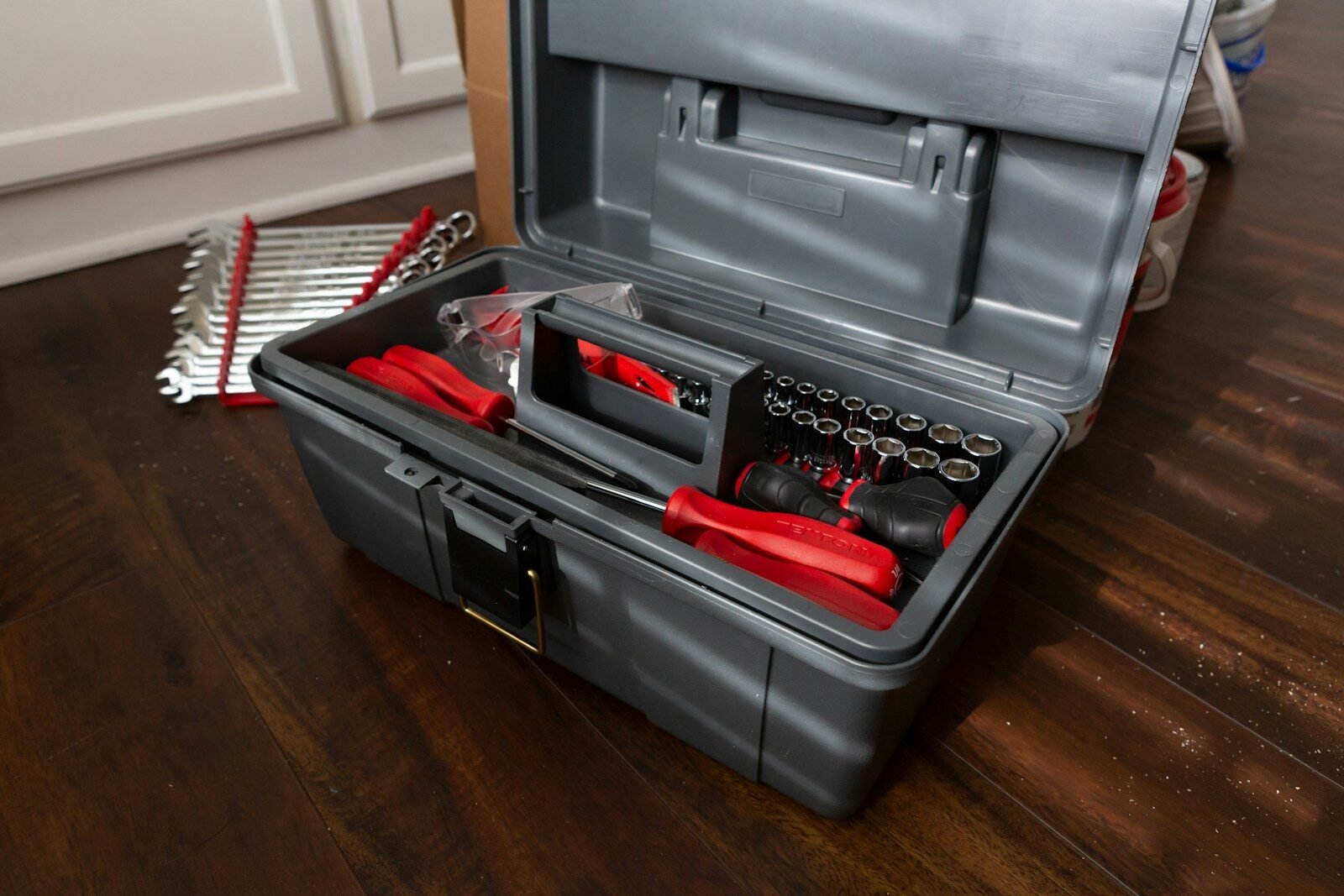
Best Practices for Electrical Installation
When approaching any residential wiring task, many DIYers wonder, “is there a special screwdriver for electrical boxes” that makes the process safer and more efficient. While the right tool is essential, following standardized safety protocols and industry-recognized installation techniques is equally critical for long-term reliability and code compliance. Professionals often rely on a professional electrician’s tool set to ensure they have the proper leverage and insulation for every connection.
Safety First: Shutting Off the Power
Before touching any internal components, safety must remain the top priority. Electrical work carries inherent risks of shock or injury.
- Locate the Service Panel: Always identify the correct breaker corresponding to the circuit and switch it to the “OFF” position.
- Verify with a Tester: Never assume the power is off. Use a non-contact voltage tester to confirm the absence of electricity before handling wires.
- Lockout/Tagout: For multi-person households, place a piece of tape over the breaker or use a lockout device to prevent others from accidentally turning the power back on while work is in progress.
- Consult Guidelines: For comprehensive safety standards regarding residential electrical systems, refer to the National Fire Protection Association (NFPA) guidelines for electrical safety.
Pro Tips for Faster Installations
Speed in electrical work should never come at the expense of accuracy. Efficiency is gained by organizing the workspace and choosing the right equipment for the task at hand.
- Prep the Box: Ensure all debris is cleared from the electrical box to prevent interference with device mounting.
- Organize Your Hardware: Keep your screws sorted. If you are still asking, “is there a special screwdriver for electrical boxes” that prevents dropped hardware, consider using drivers with magnetic tips to keep screws secure in tight, recessed wall boxes.
- Proper Strip Lengths: Use the gauge on the back of the outlet or switch to strip the wire to the exact length required. This prevents exposed copper, which is a major electrical safety hazard.
- Use the Right Tool: Always use a properly sized tip. Using a screwdriver that is too small for the screw head can strip the threading, leading to loose connections that may cause arc faults over time.
- Reference Standards: Staying updated on local codes, which often align with the Occupational Safety and Health Administration (OSHA) safety requirements, ensures that every installation meets modern building standards.
By combining the correct tools with these best practices, homeowners can ensure their electrical work is both code-compliant and secure.
Conclusion: Is there a special screwdriver for electrical boxes
When asking, “is there a special screwdriver for electrical boxes,” the answer is nuanced. While many standard drivers will function, the best approach involves using tools specifically engineered for electrical safety and precision. Investing in high-quality equipment—as detailed in this professional electrician’s tool set guide—ensures that projects remain safe, code-compliant, and efficient.
Final Summary of Best Practices
To ensure optimal performance and safety, homeowners and professionals should prioritize these three factors:
- Insulation is Mandatory: Always prioritize 1000V-rated insulated tools to prevent accidental shocks, a standard reinforced by guidelines from the Occupational Safety and Health Administration (OSHA).
- Proper Fit Matters: Using the wrong drive size often leads to stripped screws, which makes future maintenance difficult.
- Tool Versatility: While multi-bit drivers offer convenience, a dedicated, properly sized tool provides the best torque control for delicate wire terminations.
Key Considerations for Your Toolkit
Maintaining a reliable set of tools is essential for any DIY project involving wall plates or switches. If one is wondering, “is there a special screwdriver for electrical boxes,” they should consider the following:
- Safety Ratings: Never use standard, non-insulated kitchen tools for electrical work. Always check for the VDE or ASTM F1505 certification marks.
- Access Requirements: For modern smart home devices, which often have bulkier wiring, having a stubby driver in the kit can make the difference between a quick install and a frustrating experience.
- Torque Management: Following the National Electrical Code (NEC) requirements for terminal tightness is vital; over-tightening can crack plastic housings, while under-tightening creates dangerous high-resistance connections.
Ultimately, while no single, magical tool exists, equipping a workspace with the right combination of insulated, properly sized, and specialty-length drivers provides the confidence needed to handle any electrical task. By prioritizing safety standards and mechanical precision, one ensures that their home electrical systems remain secure and functional for years to come.
