A brick hammer is a hand tool with a flat face for striking and a chisel-like blade for cutting bricks. It is used in masonry work to shape, split, and trim bricks or stones.
Brick hammers are essential tools for masons, combining a striking face and a chisel in one tool. The flat face is used for hammering, while the sharp blade cuts and shapes bricks. This dual functionality makes brick hammers versatile and indispensable in construction.
Masons rely on brick hammers to break bricks into precise shapes, ensuring a perfect fit in walls and structures. The ergonomic design allows for efficient use, reducing fatigue during prolonged tasks. Investing in a quality brick hammer is crucial for anyone involved in masonry or DIY brickwork projects.
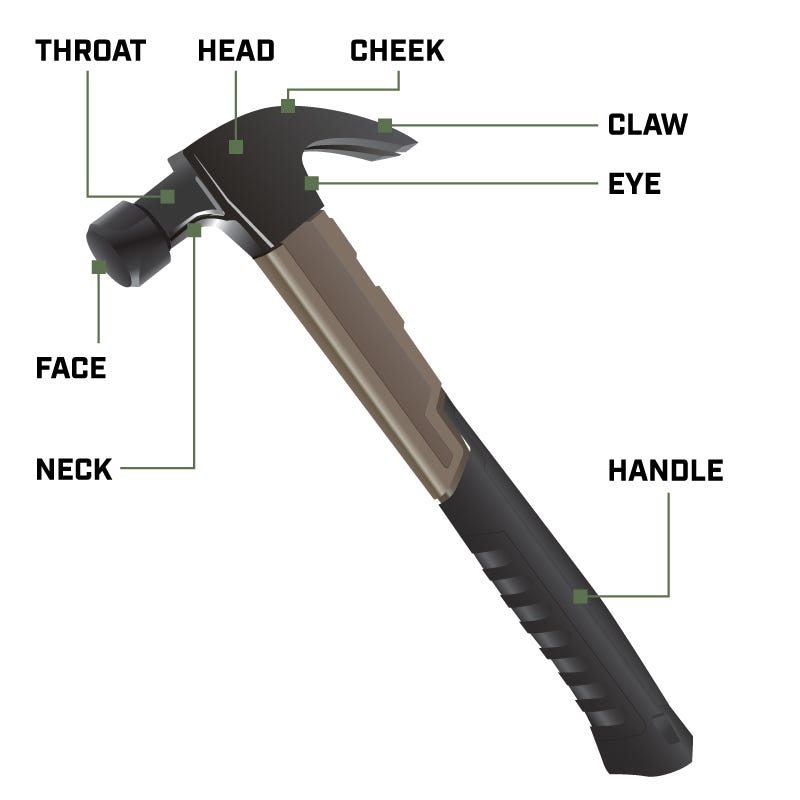
Credit: specopstools.com
Introduction To Brick Hammer
A brick hammer is a crucial tool for masonry work. It’s designed for cutting and shaping bricks. This tool is essential for both professionals and DIY enthusiasts. Understanding its history and usage can help you use it effectively.
What Is A Brick Hammer?
A brick hammer has two ends: a flat, square face and a chisel-like blade. The flat face is used for breaking bricks. The chisel end is for cutting and scoring bricks. It is usually made of high-quality steel for durability.
Historical Background
The brick hammer has a long history in construction. Ancient civilizations used similar tools for building structures. Over the years, the design has evolved. Today’s brick hammers are more ergonomic and efficient. They are designed to reduce user fatigue.
| Feature | Description |
|---|---|
| Flat Face | Used for breaking bricks |
| Chisel End | Used for cutting and scoring bricks |
| Material | High-quality steel |
| Design | Ergonomic for reduced fatigue |

Credit: www.stortz.com
Key Features
Understanding the key features of a brick hammer helps in choosing the right tool. Let’s dive into the essential aspects of a brick hammer.
Design And Structure
The design and structure of a brick hammer are crucial for its function. A brick hammer typically has a dual-head design. One side has a flat, chisel-like edge. The other side is a blunt, square head.
The handle is often ergonomically designed. This ensures a comfortable and firm grip. Handles are usually around 12 to 16 inches long.
| Feature | Description |
|---|---|
| Chisel Edge | Used for cutting and splitting bricks. |
| Blunt Head | Ideal for hammering and tapping bricks. |
| Ergonomic Handle | Provides a comfortable grip for prolonged use. |
Materials Used
Brick hammers are made from durable materials. The head is usually forged from high-carbon steel. This material is known for its strength and durability.
The handle can be made from various materials. Common options include wood, fiberglass, or metal. Each material offers different benefits. Wooden handles provide a traditional feel. Fiberglass handles are lightweight and reduce vibrations. Metal handles offer maximum durability.
- High-carbon steel head: Ensures long-lasting use and strength.
- Wooden handle: Offers a comfortable grip and classic look.
- Fiberglass handle: Lightweight and minimizes vibrations.
- Metal handle: Provides unmatched durability.
Primary Uses
A brick hammer is a versatile tool. It is essential for masons and builders. This tool has two main functions: breaking and chiseling. Let’s explore its primary uses.
Breaking Bricks
The flat side of the hammer is perfect for breaking bricks. Simply strike the brick with controlled force. This ensures a clean break.
Here is a simple guide:
- Place the brick on a solid surface.
- Hold the hammer firmly.
- Hit the brick with the flat side.
The flat side is also useful for breaking stones. This makes it a handy tool for many tasks.
Chiseling And Shaping
The chisel end of the brick hammer is used for shaping bricks. It helps in creating precise edges and corners.
Follow these steps to chisel:
- Mark the area to be chiseled.
- Place the chisel end on the mark.
- Tap gently with the flat side.
This method is useful for fitting bricks into tight spaces. The chisel end can also be used for carving designs. This adds aesthetic value to your work.
Types Of Brick Hammers
Brick hammers come in different types. Each type has unique features and uses. Knowing the types helps in choosing the right tool for the job.
One-piece Vs. Multi-piece
Brick hammers can be either one-piece or multi-piece. Each has its own advantages.
| Type | Description |
|---|---|
| One-Piece | The hammer and handle are forged from a single piece of metal. This makes it durable and less likely to break. |
| Multi-Piece | The head and handle are separate pieces. They are assembled together. This type allows for handle replacement if it breaks. |
Different Head Designs
Brick hammers also come with different head designs. Each design serves a specific purpose.
- Chisel Head: One end of the hammer has a chisel shape. It is used for cutting bricks.
- Pointed Head: One end has a pointed tip. It is used for breaking bricks and chipping away mortar.
- Square Head: Both ends are flat and square-shaped. This is used for hammering and smoothing surfaces.
Choosing the right head design makes the work easier and more efficient.
Choosing The Right Brick Hammer
Choosing the right brick hammer is essential for any masonry project. The perfect hammer ensures efficiency and reduces fatigue. Below are key factors to consider when selecting a brick hammer.
Weight Considerations
The weight of the brick hammer greatly affects its usability. A hammer that’s too heavy can cause strain. On the other hand, a lightweight hammer might not deliver enough force.
Generally, brick hammers range from 16 to 24 ounces. Choose a weight that matches your strength and the task’s requirements. For light tasks, a 16-ounce hammer is ideal. For tougher tasks, opt for a 24-ounce hammer.
Handle Grip And Comfort
The handle grip is another vital factor. A comfortable grip reduces hand fatigue and increases control. Look for handles with ergonomic designs and non-slip materials.
Some hammers feature rubberized grips, which offer better hold. Others come with wooden handles that absorb shock well. Choose the one that feels best in your hand.
| Weight | Recommended Use |
|---|---|
| 16 ounces | Light tasks and precision work |
| 20 ounces | General masonry tasks |
| 24 ounces | Heavy-duty masonry work |
Pay attention to both the weight and handle grip when selecting your brick hammer. These factors ensure comfort and efficiency during your masonry projects.
Proper Techniques
Using a brick hammer efficiently requires knowing the right techniques. These methods ensure safety and effectiveness. Let’s explore some key tips and methods for using a brick hammer properly.
Safety Tips
- Wear safety goggles to protect your eyes from flying debris.
- Use gloves to protect your hands from rough surfaces.
- Check the hammer for any damage before use.
- Ensure a firm grip on the handle to avoid slipping.
Effective Swing Techniques
Effective swinging ensures you break or chip bricks cleanly. Here are some techniques:
- Position the brick on a stable surface.
- Hold the hammer with both hands for control.
- Aim carefully before swinging to hit the desired spot.
- Swing with moderate force to avoid over-striking.
Using The Chisel End
The chisel end of the brick hammer is for cutting and shaping. Follow these steps:
- Mark the cutting line on the brick.
- Place the chisel end on the line.
- Tap gently to create a groove.
- Increase force to split the brick along the groove.
Using The Hammer End
The hammer end is for breaking larger pieces. Follow these steps:
- Hold the brick firmly on a flat surface.
- Position the hammer end above the target area.
- Swing down with controlled force.
- Repeat as needed to break the brick.
Maintenance Tips
Proper maintenance of your brick hammer ensures its longevity and efficiency. Regular care keeps the tool in optimal condition, ready for any masonry task.
Cleaning And Storage
Clean your brick hammer after each use. Use a wire brush to remove dirt and debris. Wipe the hammer with a damp cloth to remove fine particles. Dry it thoroughly to prevent rust.
Store the hammer in a dry place. Use a toolbox or a designated storage area. Avoid leaving it exposed to moisture or extreme temperatures.
Sharpening The Chisel End
The chisel end of the brick hammer needs regular sharpening. Use a sharpening stone or a grinder. Hold the tool steady and sharpen at a 30-degree angle.
Check the sharpness after every few strikes. A sharp chisel end makes cutting bricks easier. Always wear safety gloves and goggles during sharpening.
Common Mistakes
Using a brick hammer can be tricky. Many people make mistakes. These mistakes can lead to accidents or poor results. Below are some common mistakes to avoid.
incorrect Usage
Incorrect usage of a brick hammer is a big mistake. Some people use the wrong side of the hammer. The chisel end is for scoring bricks. The blunt end is for breaking them. Always use the right side for the job.
Another mistake is using too much force. Brick hammers are designed for precise work. Applying too much force can damage the brick. It can also cause the hammer to slip. This can be dangerous.
overlooking Safety Gear
Overlooking safety gear is a common mistake. Safety gear is important. Always wear gloves to protect your hands. Use safety goggles to protect your eyes. Bricks can chip and fly off. Protect yourself from these hazards.
A dust mask is also important. Breaking bricks can create a lot of dust. Inhaling this dust is harmful. Always wear a mask to protect your lungs.
Below is a simple table for quick safety gear reference:
| Safety Gear | Purpose |
|---|---|
| Gloves | Protects hands |
| Goggles | Protects eyes |
| Dust Mask | Protects lungs |
Always use the correct safety gear. This will keep you safe while working with bricks.
Credit: www.reddit.com
Frequently Asked Questions
What Is A Brick Hammer?
A brick hammer is a specialized tool used in masonry work.
How Is A Brick Hammer Used?
It is used to split, trim, and shape bricks and stones.
What Are The Parts Of A Brick Hammer?
A brick hammer has a flat face and a chisel-like blade.
Can A Brick Hammer Cut Stones?
Yes, the chisel end can be used to cut and shape stones.
Is A Brick Hammer Essential For Masonry?
Yes, it is essential for precise brick and stone cutting tasks.
Conclusion
Understanding a brick hammer is essential for construction and masonry tasks. This tool ensures precision and efficiency. Always choose the right type for your specific needs. Proper use can significantly enhance your work quality. Embrace the brick hammer to achieve professional results in your projects.
Happy building!